
Mother's Day
A day to honor mothers and motherhood around the world
Mother's Day is an annual celebration honoring mothers, motherhood, and maternal bonds. Observed in over 40 countries, it takes place on different dates, often in March or May, and is marked by giving flowers, cards, and gifts, as well as family gatherings and religious services.
- Carnations are a traditional Mother's Day flower in the US.
- Mother's Day began in 1908 in West Virginia, USA.
- Mothering Sunday is the UK's version, linked to Christian tradition.
- Nepal celebrates Mata Tirtha Aunshi as Mother's Day.
- The date of Mother's Day varies by country.
What is Mother's Day?
Mother's Day is a yearly occasion dedicated to celebrating mothers and the role of motherhood. Traditions differ, but the day often includes giving flowers—especially carnations or chrysanthemums—cards, and small gifts. Many families gather for meals or special outings. In some places, the day is marked by church services or prayers, and in others, by visiting mothers or remembering those who have passed.
Where does Mother's Day come from?
The modern Mother's Day began in the United States in the early 20th century, led by Anna Jarvis, who held the first celebration in Grafton, West Virginia, in 1908. She wanted to honor her own mother and the broader role of mothers in society. The idea spread quickly, and by 1914, it became a national holiday in the US. Other countries have older traditions, such as Mothering Sunday in the UK and Mata Tirtha Aunshi in Nepal, which were later associated with the modern holiday.
How Mother's Day is made
Mother's Day is observed on different dates worldwide, most often in March or May. People typically mark the day by presenting mothers with flowers—carnations in the US, chrysanthemums in Australia—or cards and gifts. Some attend religious services, while others celebrate at home or in restaurants. The day may also include special prayers or family gatherings.


When and where Mother's Day is used
The day is used to express gratitude and affection for mothers. In many countries, it is customary to give flowers, cards, or small presents. Some families visit the graves of mothers who have passed. In religious communities, special services or prayers are held. The day is also a time for family reunions and honoring the influence of mothers in society.
Forms of Mother's Day
Mother's Day is celebrated on different dates and with varying customs. In the US and many other countries, it falls on the second Sunday in May. The UK observes Mothering Sunday in March, while Nepal celebrates Mata Tirtha Aunshi in April or May. In Australia, white chrysanthemums are the traditional flower, while carnations are common elsewhere. Some countries combine Mother's Day with International Women's Day.
What Mother's Day means
Mother's Day is a symbol of respect, gratitude, and love for mothers. It has religious ties in Christianity, Hinduism, Buddhism, and Islam, each with its own customs. The day is sometimes criticized for commercialization, especially in the US, where the founder Anna Jarvis opposed the sale of cards and gifts. Despite this, it remains a widely observed occasion for honoring mothers.
The flowers of Mother's Day
 ChrysanthemumAutumn-blooming flower with thousands of varieties, cherished in East Asia and beyond
 DianthusA group of frilled, often pink, flowers grown in gardens and bouquets worldwideCarnationA fragrant flower with ruffled petals, grown worldwide for decoration and meaning
 Chrysanthemum japonenseA white-flowered perennial daisy native to coastal Shikoku, Japan
 Indian chrysanthemumA yellow or white-flowered chrysanthemum native to China
Traditions that use it
Days and festivals
Questions people ask about Mother's Day
Where did Mother's Day originate?
The modern Mother's Day started in the United States in the early 20th century, led by Anna Jarvis. The first official celebration was held in 1908 in Grafton, West Virginia.
Why are carnations associated with Mother's Day?
Carnations became linked to Mother's Day in the United States as they were used in early celebrations and symbolize love and admiration for mothers.
Is Mother's Day celebrated on the same date everywhere?
No, Mother's Day is observed on different dates in different countries, most commonly in March or May. For example, the US celebrates it on the second Sunday in May, while the UK observes Mothering Sunday in March.
What are some traditional ways to celebrate Mother's Day?
People often give flowers, cards, or small gifts to mothers. Many families gather for meals or outings, and some attend religious services or hold special prayers.
What does Mother's Day symbolize?
Mother's Day honors mothers, motherhood, and maternal bonds. It is a day to express gratitude and respect for the influence of mothers in families and society.
Good reading and sources
The facts on this page come from the Wikipedia article "Mother's Day", written by its contributors and used under the CC BY-SA 4.0 licence, and from its Wikidata record (CC0). Phool rewrote the text in its own words, with AI assistance, and compares every page with the article to make sure no passage is copied. It may be reused under the same CC BY-SA 4.0 licence with a link back.
It may contain mistakes. If something is wrong, tell us. Last refreshed 2026-10-03.
More of the same kind
 Decoration
Tokonoma床の間
A Japanese alcove for displaying scrolls and flower arrangements
🇯🇵 Japan · Arrangement
Decoration
Tokonoma床の間
A Japanese alcove for displaying scrolls and flower arrangements
🇯🇵 Japan · Arrangement
 Decoration
Bouquet
A creative arrangement of flowers, given or displayed for many occasions
🇨🇳 China and 1 more · Arrangement
Decoration
Bouquet
A creative arrangement of flowers, given or displayed for many occasions
🇨🇳 China and 1 more · Arrangement
 Decoration
Floriculture
The science and business of growing flowers and ornamental plants
Arrangement
Decoration
Floriculture
The science and business of growing flowers and ornamental plants
Arrangement
 Decoration
Sōgetsu草月流
A modern school of Japanese ikebana open to all materials and styles
🇯🇵 Japan · Arrangement
Decoration
Sōgetsu草月流
A modern school of Japanese ikebana open to all materials and styles
🇯🇵 Japan · Arrangement
More from the United States
All the flowers of the United States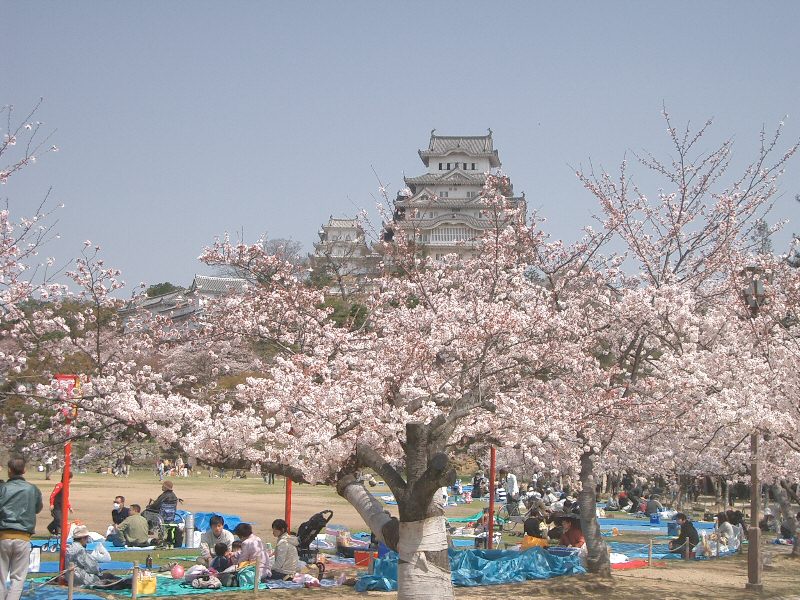 Decoration
Hanami花見
The Japanese tradition of gathering to enjoy cherry blossoms in spring
🇯🇵 Japan and 7 more · Custom, Jan to May
Decoration
Hanami花見
The Japanese tradition of gathering to enjoy cherry blossoms in spring
🇯🇵 Japan and 7 more · Custom, Jan to May
 Decoration
Bonsai盆栽
The Japanese art of shaping miniature trees in shallow pots
🇯🇵 Japan and 7 more · Art or design
Decoration
Bonsai盆栽
The Japanese art of shaping miniature trees in shallow pots
🇯🇵 Japan and 7 more · Art or design
 Decoration
May devotions to the Blessed Virgin Mary
Month-long Catholic customs honouring Mary with flowers, altars, and processions
🇮🇹 Italy and 7 more · Custom, May
Decoration
May devotions to the Blessed Virgin Mary
Month-long Catholic customs honouring Mary with flowers, altars, and processions
🇮🇹 Italy and 7 more · Custom, May
 Decoration
Flower power
A 1960s protest style using flowers as symbols of peace and resistance
🇺🇸 United States · Custom
Decoration
Flower power
A 1960s protest style using flowers as symbols of peace and resistance
🇺🇸 United States · Custom