
Lei
A garland or necklace of flowers, leaves, or shells given to honor or celebrate
A lei is a garland or wreath, usually made from fresh flowers, leaves, or shells, and is worn around the neck. Common in Polynesia and the Philippines, leis are given to honor, greet, or bid farewell, and are central to many celebrations, especially in Hawaii and the Pacific.
- Leis are worn for greetings, farewells, and celebrations across the Pacific.
- Hawaii celebrates Lei Day on May 1 to honor lei making and tradition.
- Materials range from fresh flowers and leaves to shells, ribbons, and even candy.
- Each Hawaiian island has a signature lei flower and color.
- Proper etiquette is observed in giving and disposing of leis.
What is Lei?
A lei is a garland or necklace, often circular but sometimes open, made by stringing together flowers, leaves, shells, seeds, or even ribbons and paper. Traditional leis are crafted from fresh natural foliage such as plumeria, orchids, maile leaves, or tiny shells, and are worn around the neck or draped over the shoulders. The look and feel of a lei can vary widely, from delicate strands of fragrant flowers to intricate braids of leaves or shells.
Where does Lei come from?
The tradition of making and wearing leis began with ancient Polynesians and some Asian peoples, who used them to signify rank, honor, or affection. Native Hawaiians brought lei customs to the Hawaiian islands, where leis became part of religious and social life, including hula and honoring gods. Leis are also found in the Philippines, where sampaguita flower necklaces are used in religious and welcoming ceremonies. Over time, the practice spread and adapted, gaining popularity in the United States through Hawaiian tourism.
How Lei is made
Leis are made using various techniques, including braiding, twisting, knotting, sewing, and stringing. Flowers, leaves, shells, or even non-traditional materials like ribbon or candy can be used. Methods such as haku (braiding with added materials), hili (braiding one material), hilo (twisting), and kui (piercing and stringing) are common. The choice of materials and method often depends on the occasion and local tradition.
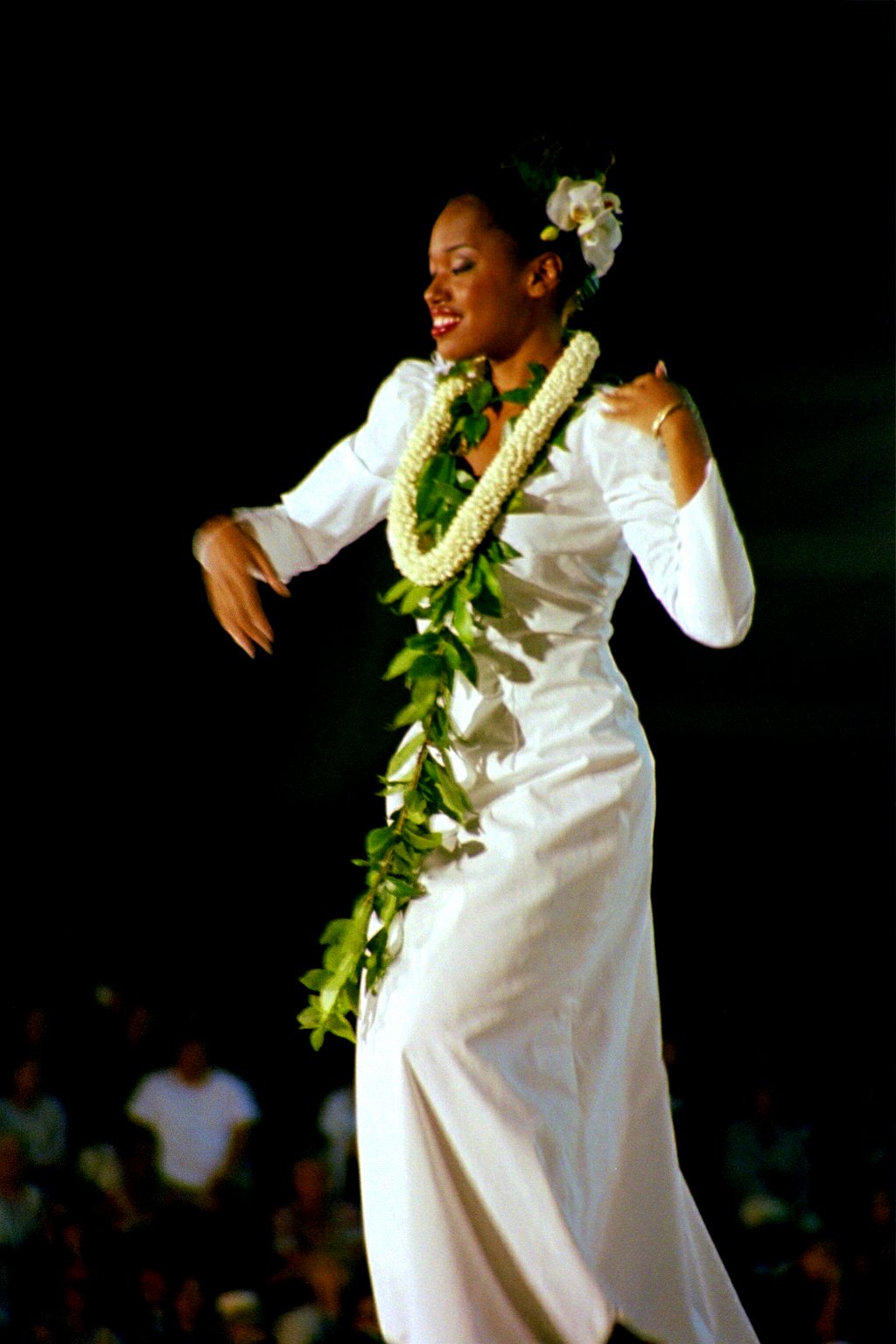


When and where Lei is used
Leis are given for greetings, farewells, celebrations, and to honor or show affection. In Hawaii, they are prominent at graduations, weddings, funerals, and birthdays. In the Philippines, sampaguita leis are used in religious ceremonies and to welcome guests. Lei Day, celebrated on May 1 in Hawaii, honors the tradition with festivities and lei-making. Proper etiquette is observed in giving, receiving, and disposing of leis, reflecting their symbolic value.
Forms of Lei
Different islands and regions have unique lei styles and materials. In Hawaii, each island is represented by a specific flower and color for Lei Day. Niʻihau is known for shell leis, while Tonga and Samoa have their own forms, such as kahoa and asoa. Modern leis may use fabric, paper, or even candy, adapting the tradition for new occasions and practical needs.
What Lei means
Leis symbolize peace, love, honor, and friendship. Their giving marks important life events and transitions. In Hawaii, the act of making and giving a lei is celebrated annually on Lei Day. The lei is deeply tied to Hawaiian identity and hospitality, and customs govern how they are given, worn, and returned to nature. In the Philippines, leis are linked to religious and welcoming rituals.
The flowers of Lei
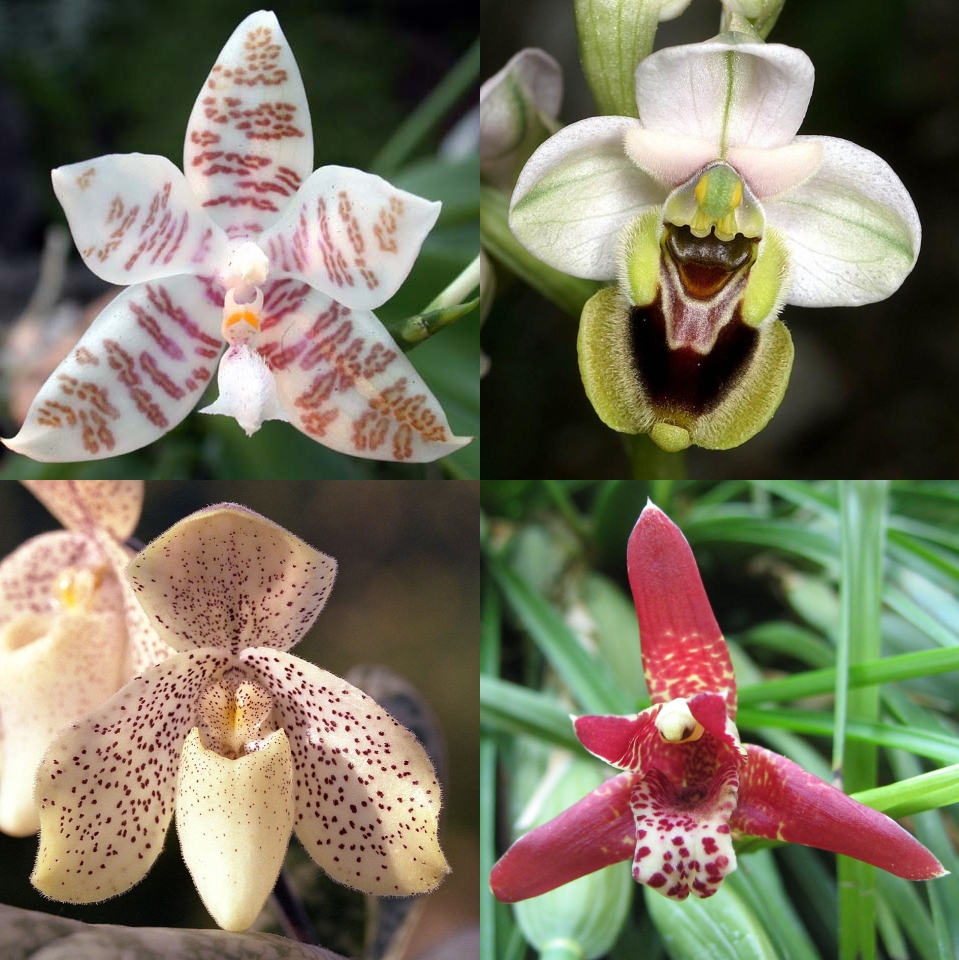 OrchidA vast family of colourful, often fragrant flowers found almost everywhere on earth
 DianthusA group of frilled, often pink, flowers grown in gardens and bouquets worldwideCarnationA fragrant flower with ruffled petals, grown worldwide for decoration and meaning
 PlumeriaFragrant tropical tree with waxy, five-petaled flowers in many colours
 MaileA fragrant Hawaiian vine used in lei and local tradition
 Plumeria albaA small tree with white, fragrant flowers and yellow centers
 TuberoseA highly fragrant white flower grown from tuberous roots, prized for perfume and decoration
 FrangipaniA fragrant tropical tree with pink, white and yellow flowers
Traditions that use it
Where to see Lei

Days and festivals
Questions people ask about Lei
Where does the lei tradition come from?
The lei tradition began with ancient Polynesians and some Asian peoples, spreading to Hawaii and the Philippines. Native Hawaiians brought lei customs to the islands, where they became part of religious, social, and welcoming practices.
What is a lei used for?
Leis are given to honor, greet, bid farewell, or celebrate. They are worn at graduations, weddings, funerals, and festivals, and are also used in religious ceremonies and as symbols of affection or respect.
What materials are used to make a lei?
Traditional leis are made from fresh flowers, leaves, vines, ferns, and shells. Modern leis can also use fabric, ribbon, paper, candy, or other items that can be strung together and worn.
What does a lei symbolize?
A lei can symbolize peace, love, honor, friendship, or transition. The meaning often depends on the occasion and the materials used, with some flowers or fruits carrying special significance.
How should a lei be given and disposed of?
A lei is given by raising it above the heart for the recipient to take. It should not be thrown away casually; instead, it is returned to nature by hanging, burying, or burning, reflecting the love and respect it represents.
Good reading and sources
- Lei (garland) on WikipediaEncyclopedia
- More photos on Wikimedia CommonsPhotos
- Wikidata recordOpen data
The facts on this page come from the Wikipedia article "Lei (garland)", written by its contributors and used under the CC BY-SA 4.0 licence, and from its Wikidata record (CC0). Phool rewrote the text in its own words, with AI assistance, and compares every page with the article to make sure no passage is copied. It may be reused under the same CC BY-SA 4.0 licence with a link back.
It may contain mistakes. If something is wrong, tell us. Last refreshed 2026-10-03.
More of the same kind
 Decoration
Varamalaवरमाला
A flower garland exchanged by bride and groom in Hindu weddings
🇮🇳 India · Garland or wreath
Decoration
Varamalaवरमाला
A flower garland exchanged by bride and groom in Hindu weddings
🇮🇳 India · Garland or wreath
 Decoration
Wreath
A ring-shaped decoration made from flowers, leaves, or other materials
🇬🇷 Greece and 7 more · Arrangement
Decoration
Wreath
A ring-shaped decoration made from flowers, leaves, or other materials
🇬🇷 Greece and 7 more · Arrangement
 Decoration
Laurel wreath
A head or neck wreath made from laurel leaves, symbolizing victory
🇬🇷 Greece and 4 more · Worn flowers
Decoration
Laurel wreath
A head or neck wreath made from laurel leaves, symbolizing victory
🇬🇷 Greece and 4 more · Worn flowers
 Decoration
Garland
A string or braid of flowers, leaves, or other materials for decoration or ceremony
🇮🇳 India and 3 more · Garland or wreath
Decoration
Garland
A string or braid of flowers, leaves, or other materials for decoration or ceremony
🇮🇳 India and 3 more · Garland or wreath
More from the United States
All the flowers of the United States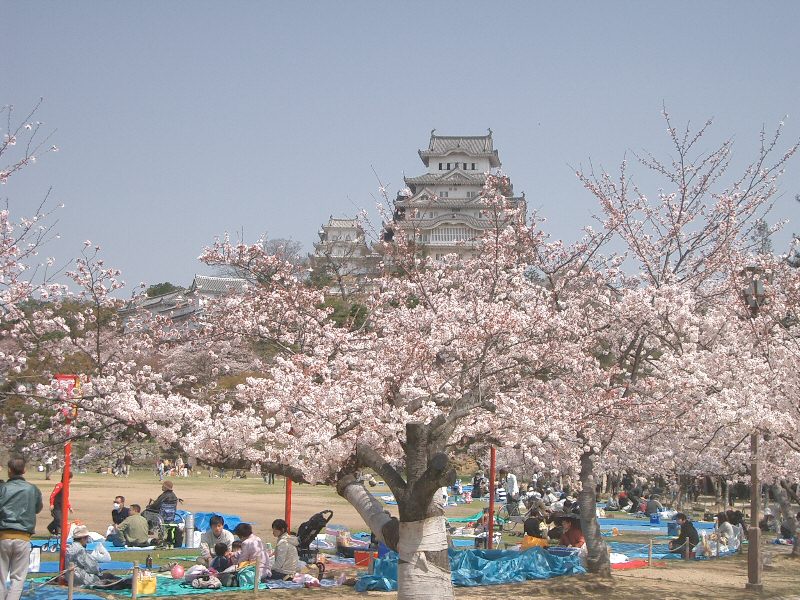 Decoration
Hanami花見
The Japanese tradition of gathering to enjoy cherry blossoms in spring
🇯🇵 Japan and 7 more · Custom, Jan to May
Decoration
Hanami花見
The Japanese tradition of gathering to enjoy cherry blossoms in spring
🇯🇵 Japan and 7 more · Custom, Jan to May
 Decoration
Bonsai盆栽
The Japanese art of shaping miniature trees in shallow pots
🇯🇵 Japan and 7 more · Art or design
Decoration
Bonsai盆栽
The Japanese art of shaping miniature trees in shallow pots
🇯🇵 Japan and 7 more · Art or design
 Decoration
May devotions to the Blessed Virgin Mary
Month-long Catholic customs honouring Mary with flowers, altars, and processions
🇮🇹 Italy and 7 more · Custom, May
Decoration
May devotions to the Blessed Virgin Mary
Month-long Catholic customs honouring Mary with flowers, altars, and processions
🇮🇹 Italy and 7 more · Custom, May
 Decoration
Flower power
A 1960s protest style using flowers as symbols of peace and resistance
🇺🇸 United States · Custom
Decoration
Flower power
A 1960s protest style using flowers as symbols of peace and resistance
🇺🇸 United States · Custom