
Plumeria
Fragrant tropical tree with waxy, five-petaled flowers in many colours
Plumeria, or frangipani, is a group of small trees and shrubs native to Mexico, Central America, the Caribbean, and parts of South America. Its highly fragrant, waxy flowers bloom in clusters and come in shades of white, yellow, pink, red, and orange. Plumeria is widely grown in tropical regions for its beauty and scent, and features in ceremonies, gardens, and temple offerings.
- Plumeria flowers are highly fragrant, especially at night.
- It is the national flower of Nicaragua and Laos.
- The plant's sap is poisonous and can irritate skin and eyes.
- Plumeria is widely used in temple offerings and leis.
- Flowers come in white, yellow, pink, red, orange, and multi-coloured forms.
What does Plumeria look like?
Plumeria plants are small trees or shrubs with thick, succulent branches and a milky, irritating sap. Their leaves grow at the tips of branches and vary in shape, from narrow and corrugated to elongated and glossy, depending on the species. The flowers form clusters at branch ends, each with a tubular base and five overlapping, waxy petals. These blossoms come in white, yellow, pink, red, orange, cream, or pastel shades, often with several colours in a single flower. Their scent is strong, especially at night, with notes of jasmine, citrus, gardenia, coconut, peach, and vanilla.
Where does Plumeria come from?
Plumeria is native to the Neotropical region, including Mexico, Central America, the Caribbean, and parts of South America. The genus was named by Joseph Pitton de Tournefort in 1700, in honour of Charles Plumier, a French botanist who explored the Americas. Carl Linnaeus formally published the name in 1753, listing three species. Plumeria spread widely as an ornamental plant in tropical regions, reaching Asia and the Pacific through Spanish and later introductions.
When and how Plumeria blooms
Plumeria blooms from early summer to fall. It grows best in well-drained soil and warm climates. Propagation is usually by stem cuttings, which are left to dry before planting to prevent rot. Rooting hormone can help the cuttings take. Plumeria can also be grown from seed or grafted onto established plants. The trees are sensitive to excess moisture but thrive in sunny, open spaces.


How Plumeria is used
Plumeria is valued for its fragrant flowers, which are used in temple offerings in Bali and India, and for making leis in Hawaii and other Pacific islands. In Southeast Asia, it is often planted in cemeteries and associated with funerals and spirits. The flowers are used in weddings, garlands, and home decoration. Traditional medicine uses various parts of the plant, and its scent is important in incense and perfumes.
Kinds of Plumeria
There are 18 accepted species of Plumeria and many cultivars, some evergreen and some deciduous. Plumeria rubra and Plumeria alba are among the best known, with P. pudica notable for its evergreen leaves and continuous blooming. Cultivars vary in flower colour, shape, and growth habit, with hundreds registered for ornamental use.
What Plumeria means
Plumeria holds deep cultural meaning in many regions. In Mesoamerica, it symbolised life, fertility, and elite status. It is the national flower of Nicaragua and Laos, and features in temple rituals in Bali and India. In Southeast Asia, it is linked to cemeteries and spirits. In Hawaii and Polynesia, the flower is worn to signal relationship status. Plumeria is also used in poetry and as a motif in art and airline logos.
Where Plumeria is used and seen
Traditions that use it
Where to see Plumeria
 🇹🇭 Pattaya · All yearNong Nooch Tropical GardenA very large private botanical garden near Pattaya, known for palms, cycads and orchids.
 🇮🇩 Ubud · All yearMake canang sari in BaliLearn to weave the small palm-leaf and flower offerings that Balinese Hindus lay out every day.
 🇱🇰 Kandy · All yearRoyal Botanical Gardens, PeradeniyaSri Lanka's great botanical garden in a loop of the Mahaweli river, known for orchids and palm avenues.
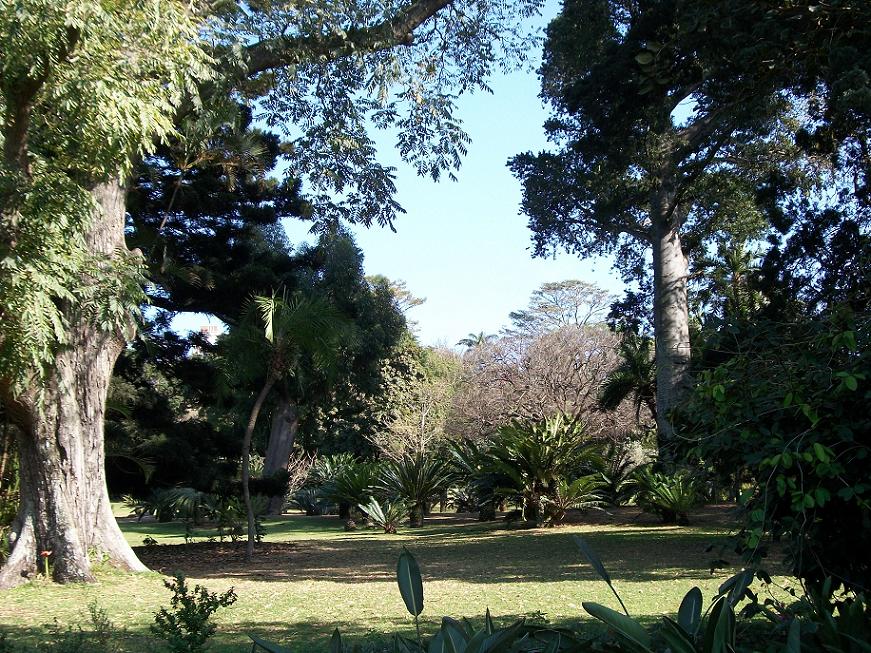 🇿🇦 Durban · All yearDurban Botanic GardensA subtropical garden founded in 1849, with an orchid house and a famous collection of cycads.
 🇲🇺 Pamplemousses · All yearPamplemousses botanical gardenMauritius's historic garden, known for a long pond of giant Amazon water lilies.
 🇺🇸 Honolulu · All yearMake a lei in HonoluluLearn to string a Hawaiian flower lei, and see the lei stands of Chinatown.
Questions people ask about Plumeria
Where does Plumeria come from?
Plumeria is native to Mexico, Central America, the Caribbean, and parts of South America. It has been widely introduced to tropical regions around the world as an ornamental plant.
What does Plumeria symbolise?
Plumeria symbolises life and fertility in Mesoamerican cultures, is linked to spirits and funerals in Southeast Asia, and is used as a sign of relationship status in Polynesia. It is also a national emblem in Nicaragua and Laos.
What do Plumeria flowers look and smell like?
Plumeria flowers have five waxy, overlapping petals and grow in clusters. They come in white, yellow, pink, red, orange, and pastel shades. The scent is strong and sweet, with notes of jasmine, citrus, gardenia, and vanilla.
How is Plumeria used in ceremonies?
Plumeria flowers are used in temple offerings in Bali and India, for making leis in Hawaii, and in wedding garlands in India. In Southeast Asia, they are often planted in cemeteries and used in funeral customs.
Is Plumeria poisonous?
Yes, the milky sap of Plumeria contains compounds that can irritate the skin and eyes. It is considered poisonous if ingested.
Good reading and sources
- Encyclopaedia BritannicaArticle
- NParksNational Parks Board, Singapore, Article
- USDA Plants DatabaseUS Department of Agriculture, Article
- Hawaii keeps the lei-making tradition aliveLos Angeles Times, Article
- Plants of the World OnlineRoyal Botanic Gardens, Kew, Plant database
- Where it has been recordedGBIF, Plant database
- Sightings and photos by naturalistsiNaturalist, Plant database
The facts on this page come from the Wikipedia article "Plumeria", written by its contributors and used under the CC BY-SA 4.0 licence, and from its Wikidata record (CC0). Phool rewrote the text in its own words, with AI assistance, and compares every page with the article to make sure no passage is copied. It may be reused under the same CC BY-SA 4.0 licence with a link back.
It may contain mistakes. It is not medical or foraging advice: many flowers are poisonous, and traditional uses are reported, not recommended. If something is wrong, tell us. Last refreshed 2026-10-03.
Others in the family Apocynaceae
The whole family OleanderNerium oleander
A showy, evergreen shrub with clusters of pink, white or red flowers
🇲🇦 Morocco and 8 more · Flowering shrub
OleanderNerium oleander
A showy, evergreen shrub with clusters of pink, white or red flowers
🇲🇦 Morocco and 8 more · Flowering shrub
 Plumeria alba
A small tree with white, fragrant flowers and yellow centers
🇵🇷 Puerto Rico and 6 more · Flowering tree
Plumeria alba
A small tree with white, fragrant flowers and yellow centers
🇵🇷 Puerto Rico and 6 more · Flowering tree
 Pinwheel flowerTabernaemontana divaricata
A fragrant white-flowered shrub native to South and Southeast Asia
🇲🇲 Myanmar and 2 more · Flowering shrub
Pinwheel flowerTabernaemontana divaricata
A fragrant white-flowered shrub native to South and Southeast Asia
🇲🇲 Myanmar and 2 more · Flowering shrub
 Mandevilla
A tropical vine with large trumpet-shaped blooms in vivid colours
🇧🇷 Brazil and 2 more · Climber
Mandevilla
A tropical vine with large trumpet-shaped blooms in vivid colours
🇧🇷 Brazil and 2 more · Climber
More from Mexico
All the flowers of Mexico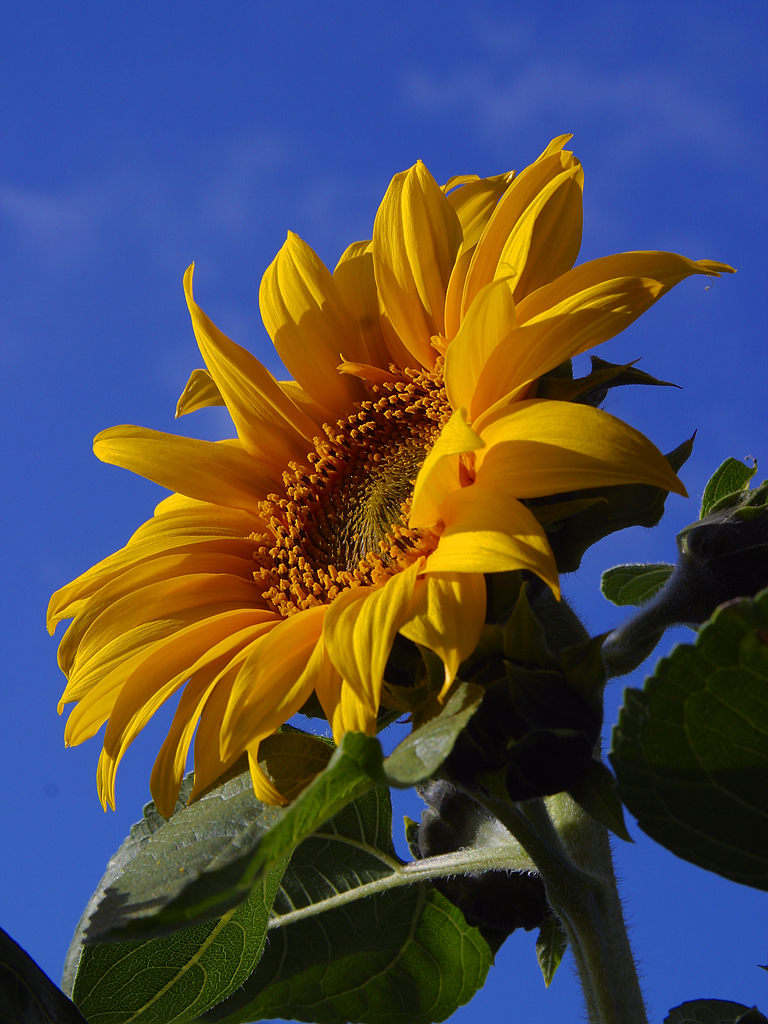 Common sunflowerHelianthus annuus
A tall annual plant grown for its large yellow flower heads and edible seeds
🇨🇦 Canada and 4 more · Wildflower
Common sunflowerHelianthus annuus
A tall annual plant grown for its large yellow flower heads and edible seeds
🇨🇦 Canada and 4 more · Wildflower
 CactusCactaceae
Succulent plants with spines, native to the Americas
🇲🇽 Mexico and 7 more · Wildflower
CactusCactaceae
Succulent plants with spines, native to the Americas
🇲🇽 Mexico and 7 more · Wildflower
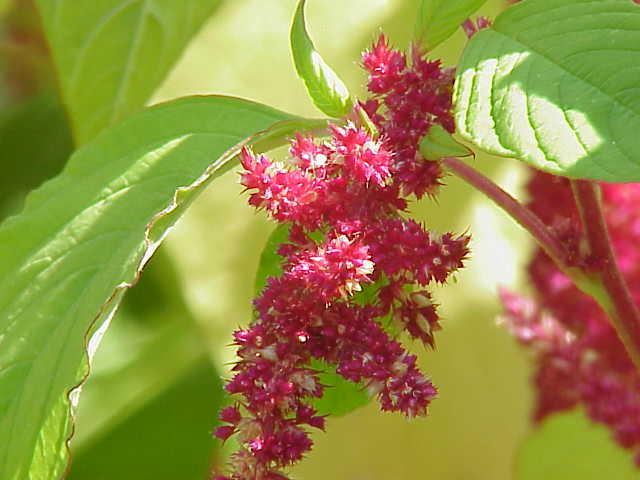 AmaranthAmaranthus
A tall, colourful plant grown for its flowers, leaves and edible seeds
🇲🇽 Mexico and 7 more · Wildflower
AmaranthAmaranthus
A tall, colourful plant grown for its flowers, leaves and edible seeds
🇲🇽 Mexico and 7 more · Wildflower
 HawthornCrataegus
A thorny shrub or tree with white or pink spring flowers and small edible fruits
🇮🇪 Ireland and 7 more · Wildflower
HawthornCrataegus
A thorny shrub or tree with white or pink spring flowers and small edible fruits
🇮🇪 Ireland and 7 more · Wildflower