
Tuberose
Polianthes tuberosa, family Asparagaceae
A highly fragrant white flower grown from tuberous roots, prized for perfume and decoration
Tuberose is a perennial plant with tall spikes of white, waxy, and strongly scented flowers. Native to central and southern Mexico, it is now cultivated in many warm regions for its ornamental value and use in perfumes, leis, and even cooking.
- Native to central and southern Mexico, now grown worldwide
- Strongly scented white flowers used in perfumes since the 17th century
- Main flower for Hawaiian leis and used in Indonesian cooking
- 'The Pearl' is a popular double-flowered variety
- No longer found growing wild in its native region
What does Tuberose look like?
Tuberose grows from underground tubers and forms clumps of long, narrow, slightly fleshy green leaves. Its flower stalks can reach up to a meter, topped with clusters of white, waxy, tubular blooms that open into six flaring segments. The scent is intense and sweet, making the flower a favorite for both gardens and cut arrangements. Some varieties show cream, pink, yellow, orange, red, or greenish shades.
Where does Tuberose come from?
Originally from central and southern Mexico, tuberose was likely domesticated by the Aztecs and is no longer found in the wild. It was brought to Europe in the 17th century, where it became especially popular in France. The plant has a complex naming history, having been classified under different genera, but is now recognized as Polianthes tuberosa. Its name refers to its swollen, tuberous roots.
When and how Tuberose blooms
Tuberose is planted from tuberous rhizomes and needs about four months of warmth to flower. In colder climates, gardeners often start the rhizomes indoors and move them outside after frost risk passes. The plant prefers warm, sunny spots and well-drained soil. After blooming, the rhizomes are dug up and stored dry for the winter in cooler regions.


How Tuberose is used
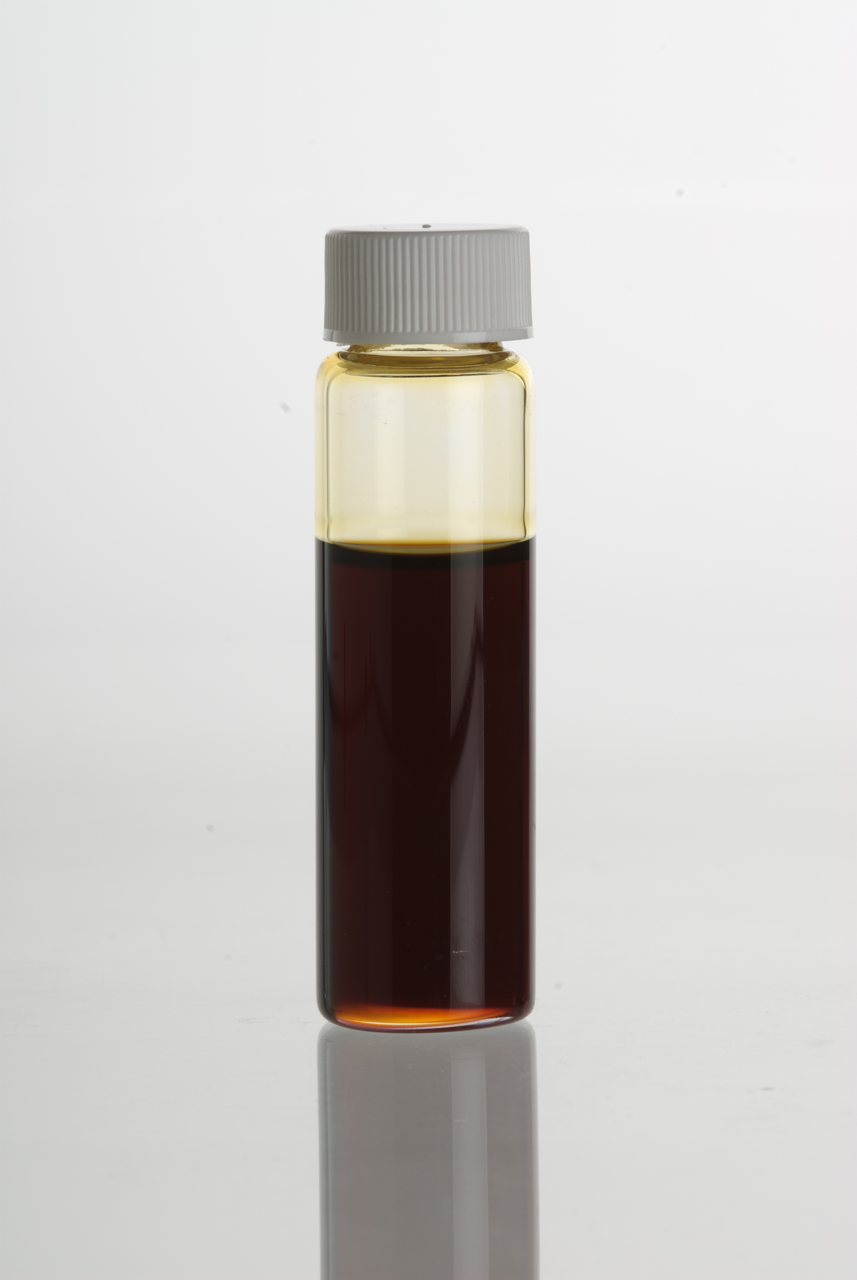
The flower is a key ingredient in perfume, valued for its powerful scent since the 1600s. In Hawaii, tuberose is a mainstay in leis, while in Indonesia, the flowers are used in cooking. It is also grown for its decorative appeal in gardens and as a long-lasting cut flower for arrangements.
Kinds of Tuberose
The double-flowered 'The Pearl' has shorter stems and broader, darker leaves, with pale pink buds that open to cream. The 'Mexican Single' is more common and lasts longer as a cut flower. Hybrids and selections have produced flowers in yellow, pink, orange, red, and greenish hues.
What Tuberose means
Tuberose has been admired for centuries, from the gardens of French royalty to its use in leis and cuisine. Its name and pronunciation were even debated by writers like Oscar Wilde. The flower’s strong fragrance has made it a symbol of luxury and beauty, especially in perfumery.
Where Tuberose is used and seen

Questions people ask about Tuberose
Where does the tuberose come from?
Tuberose is native to central and southern Mexico, where it was likely domesticated by the Aztecs. It is no longer found in the wild but is now widely grown in tropical and temperate regions.
What does tuberose smell like?
Tuberose flowers have a very strong, sweet fragrance that is highly valued in perfumery. The scent is so intense that it is often used sparingly in perfumes to avoid overwhelming the wearer.
How is tuberose used?
Tuberose is grown for its ornamental flowers, used in gardens and as cut flowers. Its scent is a key ingredient in perfumes, and the flowers are also used in Hawaiian leis and Indonesian cooking.
Are there different types of tuberose?
Yes, 'The Pearl' is a double-flowered variety with cream blooms, while 'Mexican Single' is more common and lasts longer as a cut flower. Other forms show pink, yellow, orange, red, or greenish flowers.
What does tuberose symbolize?
Tuberose is often associated with luxury and beauty, especially because of its powerful fragrance and historical use in royal gardens and perfumes.
Good reading and sources
- Encyclopaedia BritannicaArticle
- USDA Plants DatabaseUS Department of Agriculture, Article
- Agave amica (Po)Royal Horticultural Society, Article
- Plants of the World OnlineRoyal Botanic Gardens, Kew, Plant database
- Where it has been recordedGBIF, Plant database
- Sightings and photos by naturalistsiNaturalist, Plant database
The facts on this page come from the Wikipedia article "Polianthes tuberosa", written by its contributors and used under the CC BY-SA 4.0 licence, and from its Wikidata record (CC0). Phool rewrote the text in its own words, with AI assistance, and compares every page with the article to make sure no passage is copied. It may be reused under the same CC BY-SA 4.0 licence with a link back.
It may contain mistakes. It is not medical or foraging advice: many flowers are poisonous, and traditional uses are reported, not recommended. If something is wrong, tell us. Last refreshed 2026-10-03.
Others in the family Asparagaceae
The whole family Lily-of-the-valleyConvallaria majalis
A woodland plant with sweet-scented white bell flowers in late spring
🇫🇮 Finland and 4 more · Wildflower
Lily-of-the-valleyConvallaria majalis
A woodland plant with sweet-scented white bell flowers in late spring
🇫🇮 Finland and 4 more · Wildflower
 HyacinthHyacinthus
A spring-blooming bulb with fragrant, colourful flower spikes
🇹🇷 Turkey and 7 more · Bulb flower
HyacinthHyacinthus
A spring-blooming bulb with fragrant, colourful flower spikes
🇹🇷 Turkey and 7 more · Bulb flower
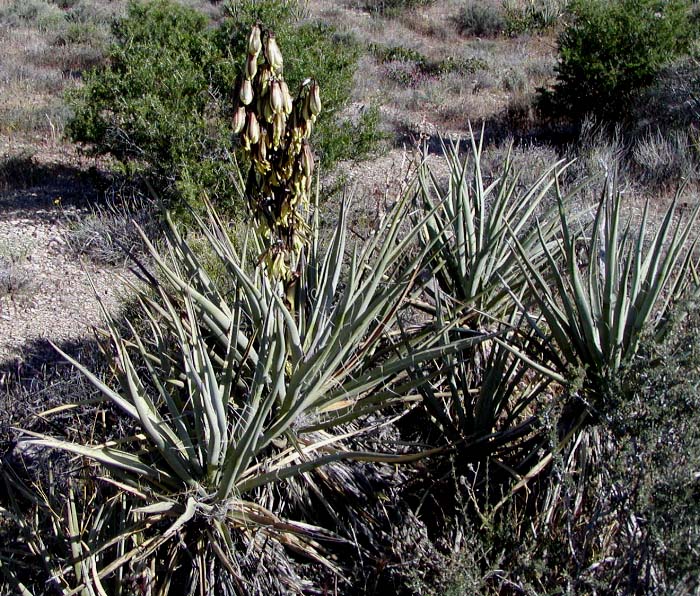 Yucca
Dry-climate plants with pointed leaves and clusters of creamy white flowers
🇲🇽 Mexico and 4 more · Wildflower
Yucca
Dry-climate plants with pointed leaves and clusters of creamy white flowers
🇲🇽 Mexico and 4 more · Wildflower
 Ornithogalum thyrsoides
A white, long-lasting bulb flower from South Africa’s Cape Province
🇿🇦 South Africa · Bulb flower
Ornithogalum thyrsoides
A white, long-lasting bulb flower from South Africa’s Cape Province
🇿🇦 South Africa · Bulb flower
More from Mexico
All the flowers of Mexico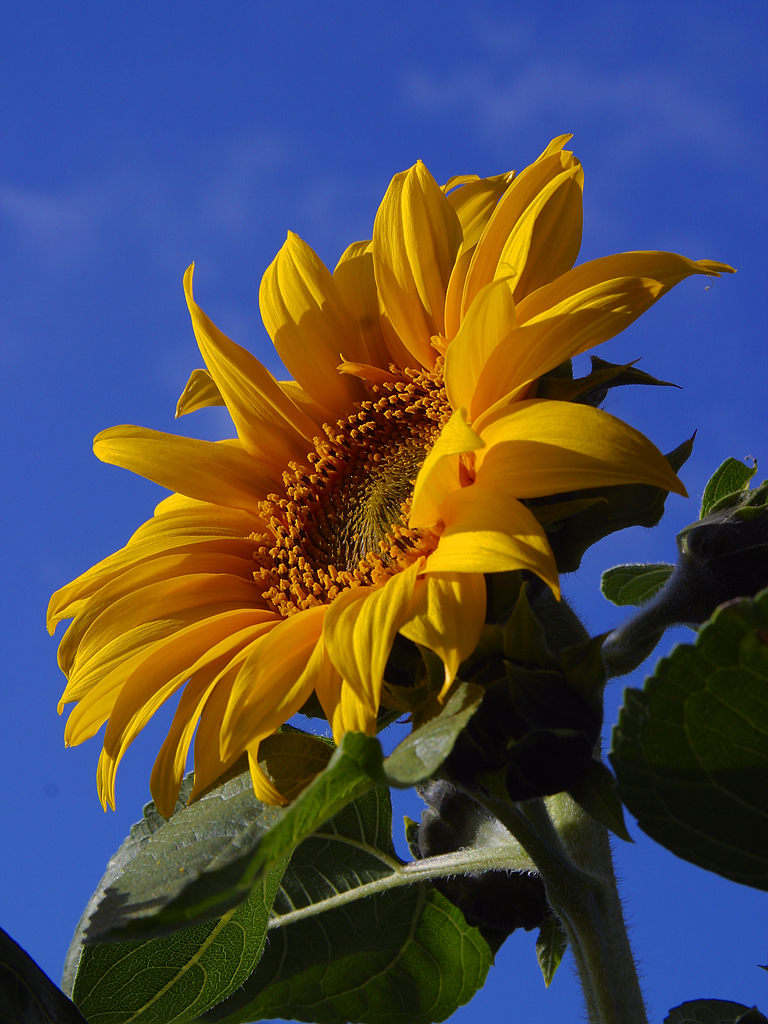 Common sunflowerHelianthus annuus
A tall annual plant grown for its large yellow flower heads and edible seeds
🇨🇦 Canada and 4 more · Wildflower
Common sunflowerHelianthus annuus
A tall annual plant grown for its large yellow flower heads and edible seeds
🇨🇦 Canada and 4 more · Wildflower
 CactusCactaceae
Succulent plants with spines, native to the Americas
🇲🇽 Mexico and 7 more · Wildflower
CactusCactaceae
Succulent plants with spines, native to the Americas
🇲🇽 Mexico and 7 more · Wildflower
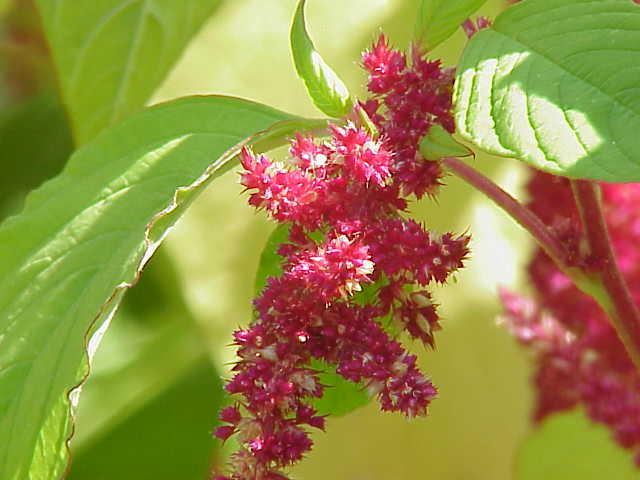 AmaranthAmaranthus
A tall, colourful plant grown for its flowers, leaves and edible seeds
🇲🇽 Mexico and 7 more · Wildflower
AmaranthAmaranthus
A tall, colourful plant grown for its flowers, leaves and edible seeds
🇲🇽 Mexico and 7 more · Wildflower
 HawthornCrataegus
A thorny shrub or tree with white or pink spring flowers and small edible fruits
🇮🇪 Ireland and 7 more · Wildflower
HawthornCrataegus
A thorny shrub or tree with white or pink spring flowers and small edible fruits
🇮🇪 Ireland and 7 more · Wildflower