
Wild daffodil
Narcissus pseudonarcissus, family Amaryllidaceae
A pale yellow spring flower and the national emblem of Wales
The wild daffodil is a perennial bulb plant with soft yellow flowers and a darker trumpet at the center. Native to parts of western Europe, it grows in woods and grasslands, and is widely grown in gardens. It is a symbol of Wales and is also found in nature reserves and along trails in England.
- National flower of Wales, known as 'Cennin Pedr' in Welsh
- Grows wild in woods and meadows across western Europe
- Toxic if eaten, especially the bulb and leaves
- Rare double-flowered forms have been found in the wild
- Spring daffodil walks are popular in Gloucestershire and Farndale
What does Wild daffodil look like?
Wild daffodils grow from bulbs and send up narrow, grey-green leaves from the base of the stem. Each plant produces a single flower with pale yellow outer segments and a deeper yellow trumpet in the center. The blooms appear in early spring and stand above the leaves. The plant reaches a modest height and is often seen in groups, creating a soft yellow display in woods and meadows.
Where does Wild daffodil come from?
This species is found naturally in parts of western Europe, stretching from the Iberian Peninsula through France and into Germany, as well as the British Isles. It has been cultivated in gardens for centuries and has spread to other regions, including Australia, New Zealand, and North America, where it sometimes grows wild. Its name and classification have a long and complex history, with many subspecies and varieties described.
When and how Wild daffodil blooms
Wild daffodils flower in spring, growing best in woods, grasslands, and rocky places. The plant develops from a bulb, and after flowering, it produces seeds. Seedlings take several years to reach maturity and bloom. Gardeners often plant bulbs in autumn for spring flowers, but wild populations also reproduce naturally by seed and bulb division.


How Wild daffodil is used
People value the wild daffodil for its early spring flowers in gardens and parks. It is the national flower of Wales and the county flower of Gloucestershire. In some areas, trails and reserves celebrate its bloom with spring walks. The plant is not edible and contains toxins, especially in the bulb and leaves.
Kinds of Wild daffodil
There are many subspecies and varieties, including the Tenby daffodil found in southwest Wales and others in Spain and France. Some rare double-flowered forms have been discovered among wild plants. The classification of these subspecies can vary, and some are considered separate species by different authorities.
What Wild daffodil means
The daffodil is a strong symbol in Wales, where it is called 'Cennin Pedr' and worn as an emblem. It is also linked to Gloucestershire as a county flower. Conservation efforts have been made to protect wild populations, especially in Britain, where numbers have declined due to habitat loss and bulb collection.
Where Wild daffodil is used and seen
 The Daffodil FestivalPierce County’s spring parade and daffodil celebration since 1934
 Dandenong Ranges Botanic GardenA cool-climate garden in the hills near Melbourne, famous for rhododendrons and cherry blossom
 Flower bulb cultivation in the NetherlandsThe Dutch tradition of growing bulbs for fields of spring flowers
 Indira Gandhi Memorial Tulip GardenAsia’s largest tulip garden on the slopes above Dal Lake in Srinagar
 KeukenhofA vast Dutch flower garden famous for its spring tulip displays
 ChabanaSimple flower arrangements for the Japanese tea ceremony
 History of flower arrangementHow arranging flowers became an art across cultures and centuries
 Flower powerA 1960s protest style using flowers as symbols of peace and resistance
Questions people ask about Wild daffodil
Where does the wild daffodil come from?
The wild daffodil is native to parts of western Europe, including the Iberian Peninsula, France, Germany, and the British Isles. It has also become established in other regions through cultivation.
What does the wild daffodil look like?
It has pale yellow outer petals and a deeper yellow trumpet-shaped center. The plant grows from a bulb and produces narrow, grey-green leaves from the base.
Is the wild daffodil poisonous?
Yes, like all daffodils, it contains toxic compounds, especially in the bulb and leaves. It should not be eaten.
What does the wild daffodil represent?
It is a national symbol of Wales and is also the county flower of Gloucestershire. The flower is associated with spring and renewal.
Are there different types of wild daffodil?
Yes, there are many subspecies and varieties, including the Tenby daffodil in Wales and others in Spain and France. Some rare double-flowered forms have also been found.
Good reading and sources
- Encyclopaedia BritannicaArticle
- BBC NEWS | UK | England | SuffolkBBC, Article
- Plantwatch: Under attackThe Guardian, Article
- Plants of the World OnlineRoyal Botanic Gardens, Kew, Plant database
- Where it has been recordedGBIF, Plant database
- Sightings and photos by naturalistsiNaturalist, Plant database
- Narcissus pseudonarcissus on WikipediaEncyclopedia
- More photos on Wikimedia CommonsPhotos
- Wikidata recordOpen data
The facts on this page come from the Wikipedia article "Narcissus pseudonarcissus", written by its contributors and used under the CC BY-SA 4.0 licence, and from its Wikidata record (CC0). Phool rewrote the text in its own words, with AI assistance, and compares every page with the article to make sure no passage is copied. It may be reused under the same CC BY-SA 4.0 licence with a link back.
It may contain mistakes. It is not medical or foraging advice: many flowers are poisonous, and traditional uses are reported, not recommended. If something is wrong, tell us. Last refreshed 2026-10-03.
Others in the family Amaryllidaceae
The whole family Allium
The genus of onions, garlic, leeks, chives and their wild relatives
Allium · Wildflower
Allium
The genus of onions, garlic, leeks, chives and their wild relatives
Allium · Wildflower
 Wild GarlicAllium ursinum
A wild woodland plant with star-shaped white flowers and edible leaves
🇮🇪 Ireland · Wildflower
Wild GarlicAllium ursinum
A wild woodland plant with star-shaped white flowers and edible leaves
🇮🇪 Ireland · Wildflower
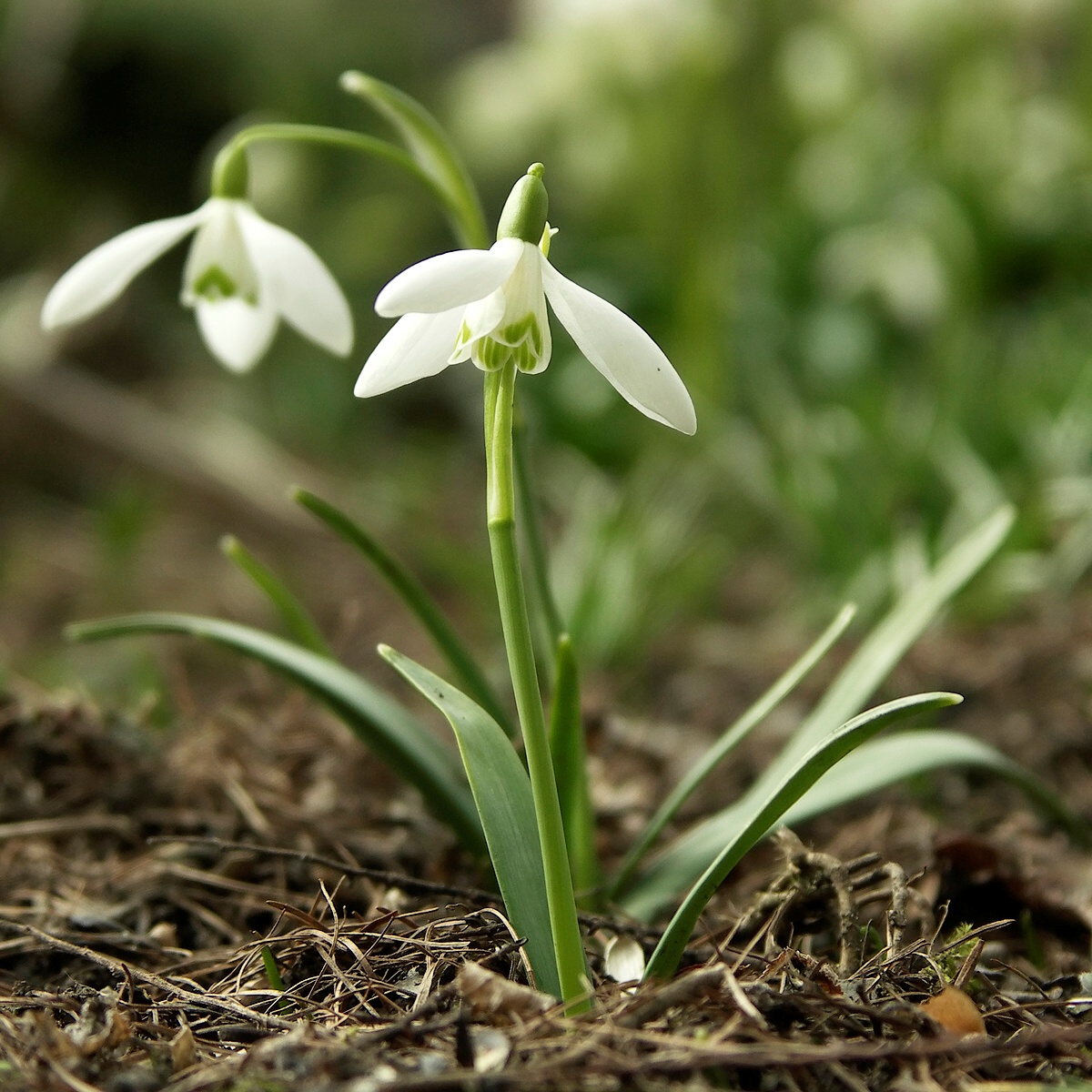 SnowdropGalanthus
White bell-shaped flowers that bloom at the end of winter
🇹🇷 Turkey and 7 more · Wildflower
SnowdropGalanthus
White bell-shaped flowers that bloom at the end of winter
🇹🇷 Turkey and 7 more · Wildflower
 Leucojum
White-flowered bulbs of damp meadows and shady gardens
🇪🇸 Spain and 6 more · Wildflower
Leucojum
White-flowered bulbs of damp meadows and shady gardens
🇪🇸 Spain and 6 more · Wildflower
More from the United Kingdom
All the flowers of the United Kingdom Narcissus
Spring-flowering bulbs with trumpet-shaped blooms in white, yellow, and orange
🇬🇧 United Kingdom and 7 more · Wildflower
Narcissus
Spring-flowering bulbs with trumpet-shaped blooms in white, yellow, and orange
🇬🇧 United Kingdom and 7 more · Wildflower
 HawthornCrataegus
A thorny shrub or tree with white or pink spring flowers and small edible fruits
🇮🇪 Ireland and 7 more · Wildflower
HawthornCrataegus
A thorny shrub or tree with white or pink spring flowers and small edible fruits
🇮🇪 Ireland and 7 more · Wildflower
 BlackthornPrunus spinosa
A spiny shrub with white spring flowers and tart blue-black fruit
🇬🇧 United Kingdom and 7 more · Wildflower
BlackthornPrunus spinosa
A spiny shrub with white spring flowers and tart blue-black fruit
🇬🇧 United Kingdom and 7 more · Wildflower
 Common poppyPapaver rhoeas
The vivid red wildflower of fields and remembrance
🇨🇳 China and 7 more · Wildflower
Common poppyPapaver rhoeas
The vivid red wildflower of fields and remembrance
🇨🇳 China and 7 more · Wildflower