
Waterlily
Nymphaea, family Nymphaeaceae
Floating aquatic flowers found in ponds and lakes worldwide
Waterlilies are aquatic plants with round floating leaves and showy flowers, found in freshwater habitats almost everywhere except a few regions. They are grown for their beauty in gardens and ponds, used in rituals, and have cultural importance in places like Egypt, Sri Lanka, and Bangladesh.
- Waterlilies grow in ponds and lakes on most continents.
- Their flowers can be white, yellow, pink, red, blue, or purple.
- Some species are national emblems in Sri Lanka and Bangladesh.
- All parts of the plant contain toxic compounds.
- Waterlilies have inspired art and architecture, especially in Egypt.
What does Waterlily look like?
Waterlilies are aquatic herbs that grow from rhizomes or tubers anchored in the mud of ponds and lakes. Their leaves are mostly round and float on the water, sometimes reaching up to 60 cm across, with a notch at one side. The flowers, which can be white, yellow, pink, red, blue, or purple, rise above or float on the surface. They are usually large, with many petals and a central cluster of stamens. Some flowers have a fragrance, and they open either during the day or at night.
Where does Waterlily come from?
Nymphaea is a widespread genus, found in freshwater and sometimes brackish water on most continents. The genus was first described by Carl Linnaeus in 1753, and its name comes from Greek and Latin words for water nymphs. Waterlilies have been introduced to new areas for ornamental purposes, and some species have become invasive. The group includes many species and hybrids, with some rare and endangered in the wild.
When and how Waterlily blooms
Waterlilies grow from rhizomes or tubers planted in the mud at the bottom of still or slow-moving water. Their leaves and flowers emerge on long stalks that reach the water's surface. Some species bloom during the day, others at night. Many hybrids and cultivars are grown in gardens for their showy flowers, and some are kept in aquariums. They help shade the water, which can slow algae growth.


How Waterlily is used
People grow waterlilies for their attractive flowers in ponds and water gardens. In Egypt and South Asia, they appear in rituals and art. Some cultures use the tubers and seeds as food, especially in times of scarcity. The rhizomes can be used to dye wool, and the stems have been used as pipes. However, all parts of the plant are toxic if not prepared properly.
Kinds of Waterlily
There are about 65 accepted species of Nymphaea, along with many hybrids and cultivars. Some, like 'Marliacea Chromatella' and 'Gonnère', are popular in gardens for their distinctive flowers. Certain species, such as Nymphaea thermarum, are critically endangered. The genus is divided into several subgenera and sections based on flower and leaf features.
What Waterlily means
Waterlilies have deep cultural roots, especially in Egypt, where they symbolized creation and the sun. The lotus motif appears in temple art and architecture. In Sri Lanka and Bangladesh, Nymphaea nouchali is a national symbol. The flowers have inspired artists like Claude Monet, and they are linked to myths and rituals in several regions.
Where Waterlily is used and seen
 China National Botanical GardenA vast botanical garden in Beijing with research, rare plants, and public displays
 Powell GardensA 970-acre botanical garden near Kansas City, Missouri
 Jardin botanique exotique de MentonA Mediterranean garden in Menton with rare and exotic plants from around the world
 Claude Monet FoundationMonet’s house and flower gardens in Giverny, open to visitors
 Orto botanico di PalermoA historic botanical garden and research centre in Palermo, Sicily
Where to see Waterlily
 🇹🇭 Udon Thani · Jan to DecRed lotus lake of KumphawapiA shallow lake in north-east Thailand that is covered in pink water lilies on cool-season mornings.
 🇲🇦 Marrakesh · All yearMajorelle GardenA painter's garden of cacti, bamboo and water lilies, set against walls of intense cobalt blue.
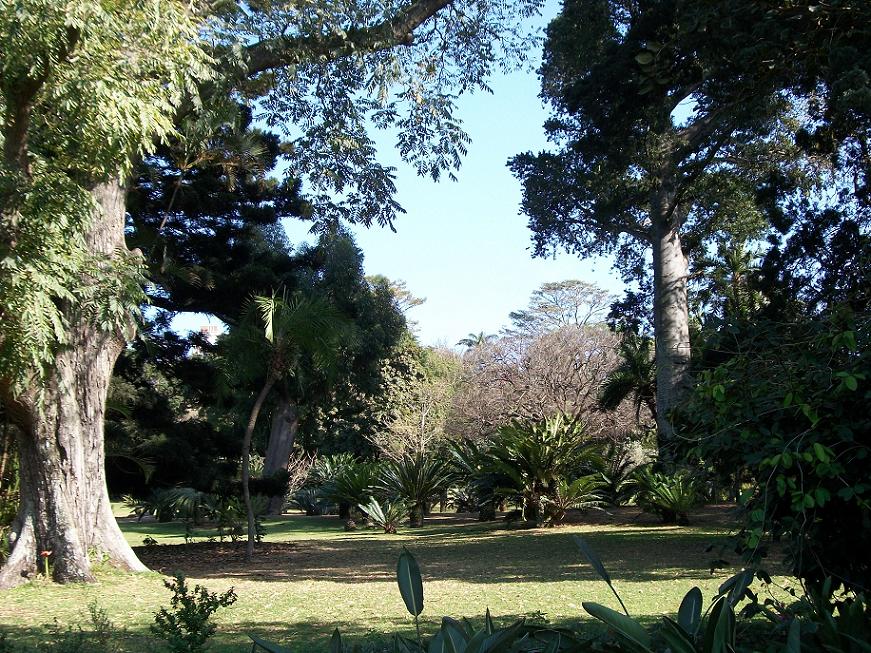 🇿🇦 Durban · All yearDurban Botanic GardensA subtropical garden founded in 1849, with an orchid house and a famous collection of cycads.
 🇲🇺 Pamplemousses · All yearPamplemousses botanical gardenMauritius's historic garden, known for a long pond of giant Amazon water lilies.
 🇦🇺 Melbourne · All yearRoyal Botanic Gardens MelbourneA landscaped garden of lakes, lawns and long views on the south bank of the Yarra.
🇫🇷 Giverny · Apr to OctMonet's garden and water lily pond at GivernyThe flower garden and lily pond that Claude Monet made in Normandy and painted for the last decades of his life.
🇦🇺 Melbourne · All yearRoyal Botanic Gardens MelbourneA landscaped garden of lakes, lawns and long views on the south bank of the Yarra.
🇫🇷 Giverny · Apr to OctMonet's garden and water lily pond at GivernyThe flower garden and lily pond that Claude Monet made in Normandy and painted for the last decades of his life.Questions people ask about Waterlily
Where do waterlilies come from?
Waterlilies are found in freshwater habitats across most of the world, except for a few regions. They grow naturally in ponds, lakes, and slow-moving rivers on many continents.
What do waterlilies look like?
They have round, floating leaves with a notch and large, colorful flowers that rise above or float on the water. The flowers can be white, yellow, pink, red, blue, or purple and have many petals.
Are waterlilies poisonous?
Yes, all parts of waterlilies contain a toxic substance called nupharin. Some cultures eat the tubers or seeds after special preparation, but the plant is generally considered poisonous if not handled correctly.
How are waterlilies used in culture?
Waterlilies are important in art, religion, and symbolism, especially in Egypt, Sri Lanka, and Bangladesh. They appear in temple designs, paintings, and as national symbols.
Can waterlilies be grown in home gardens?
Yes, many species and hybrids are cultivated in garden ponds and water features for their attractive flowers and floating leaves. They also help shade the water and reduce algae.
Good reading and sources
- Encyclopaedia BritannicaArticle
- Nymphaea 'Escarboucle' (H)Royal Horticultural Society, Article
- IUCN Red List of Threatened SpeciesIUCN Red List, Article
- Plants of the World OnlineRoyal Botanic Gardens, Kew, Plant database
- Where it has been recordedGBIF, Plant database
- Sightings and photos by naturalistsiNaturalist, Plant database
The facts on this page come from the Wikipedia article "Nymphaea", written by its contributors and used under the CC BY-SA 4.0 licence, and from its Wikidata record (CC0). Phool rewrote the text in its own words, with AI assistance, and compares every page with the article to make sure no passage is copied. It may be reused under the same CC BY-SA 4.0 licence with a link back.
It may contain mistakes. It is not medical or foraging advice: many flowers are poisonous, and traditional uses are reported, not recommended. If something is wrong, tell us. Last refreshed 2026-10-03.
Others in the family Nymphaeaceae
The whole family Water-lily familyNymphaeaceae
Floating aquatic plants with showy flowers and round leaves
🇧🇩 Bangladesh and 2 more · Wildflower
Water-lily familyNymphaeaceae
Floating aquatic plants with showy flowers and round leaves
🇧🇩 Bangladesh and 2 more · Wildflower
 White Water-lilyNymphaea alba
A floating white flower of ponds and lakes across Europe and Asia
🇸🇪 Sweden and 5 more · Wildflower
White Water-lilyNymphaea alba
A floating white flower of ponds and lakes across Europe and Asia
🇸🇪 Sweden and 5 more · Wildflower
 Hairy Water LilyNymphaea pubescens
A night-blooming water lily with softly hairy leaves and large pink or white flowers
🇧🇩 Bangladesh and 7 more · Water flower
Hairy Water LilyNymphaea pubescens
A night-blooming water lily with softly hairy leaves and large pink or white flowers
🇧🇩 Bangladesh and 7 more · Water flower
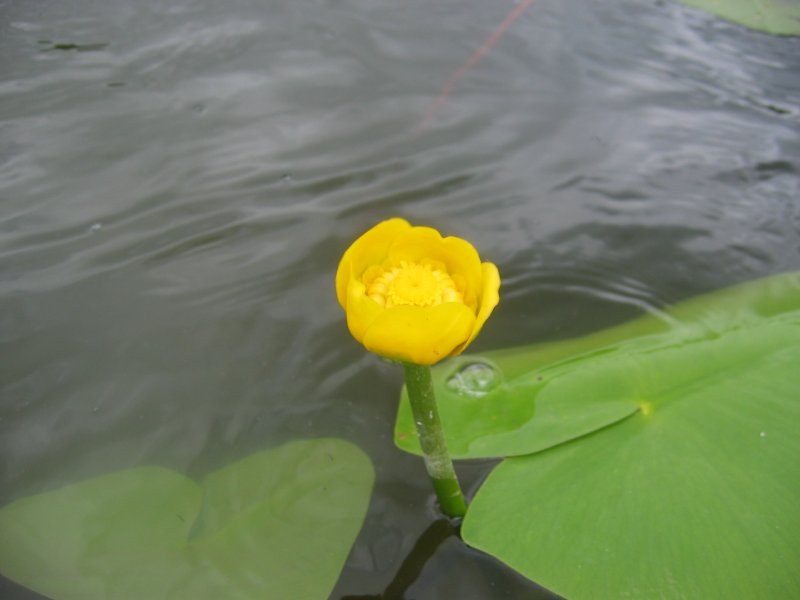 Yellow Water-lilyNuphar lutea
A floating yellow water-lily of lakes and ponds from Europe to western Asia
🇨🇳 China and 5 more · Wildflower
Yellow Water-lilyNuphar lutea
A floating yellow water-lily of lakes and ponds from Europe to western Asia
🇨🇳 China and 5 more · Wildflower
More from Egypt
All the flowers of Egypt PomegranatePunica granatum
A shrub with bright red flowers and a fruit full of edible seeds
🇮🇷 Iran and 9 more · Flowering shrub
PomegranatePunica granatum
A shrub with bright red flowers and a fruit full of edible seeds
🇮🇷 Iran and 9 more · Flowering shrub
 AlmondPrunus amygdalus
A Mediterranean tree grown for its fragrant spring flowers and edible seeds
🇮🇷 Iran and 6 more · Flowering tree
AlmondPrunus amygdalus
A Mediterranean tree grown for its fragrant spring flowers and edible seeds
🇮🇷 Iran and 6 more · Flowering tree
 RosemarySalvia rosmarinus
A fragrant evergreen shrub with needle-like leaves and purple, blue, or white flowers
🇪🇸 Spain and 5 more · Flowering shrub
RosemarySalvia rosmarinus
A fragrant evergreen shrub with needle-like leaves and purple, blue, or white flowers
🇪🇸 Spain and 5 more · Flowering shrub
 JasmineJasminum
A group of fragrant shrubs and vines with white or yellow star-shaped flowers
🇵🇰 Pakistan and 7 more · Wildflower
JasmineJasminum
A group of fragrant shrubs and vines with white or yellow star-shaped flowers
🇵🇰 Pakistan and 7 more · Wildflower