
Orto botanico di Palermo
A historic botanical garden and research centre in Palermo, Sicily
The Orto botanico di Palermo is a 30-acre botanical garden in Palermo, Italy, founded in 1779. It features thousands of plant species from around the world, research facilities, historic neoclassical buildings, water features, and specialized collections such as succulents, palms, and aquatic plants.
- Founded in 1779 as a teaching garden for medicinal plants
- Covers 30 acres and houses over 12,000 plant species
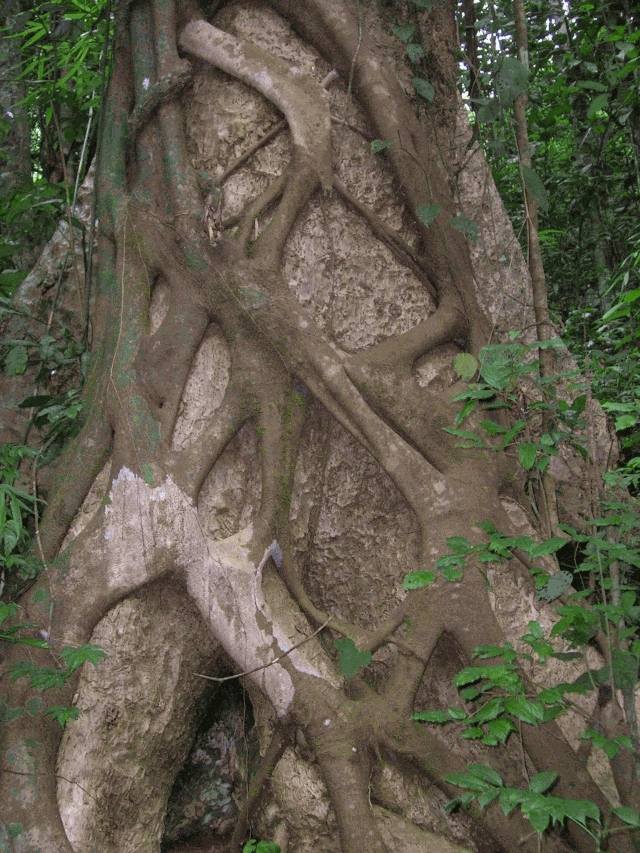
- Home to historic trees like Ficus macrophylla and Ginkgo biloba
- Features the Aquarium pool for aquatic plants and themed plant areas
- Hosts a major herbarium and a gene bank for Mediterranean flora
What is Orto botanico di Palermo?
The Orto botanico di Palermo is a large botanical garden covering about 30 acres within the city. Visitors find a mix of historic neoclassical buildings, formal and informal garden sections, pools for aquatic plants, and a wide variety of plant collections. Highlights include the Gymnasium, the Winter Garden greenhouse, the Aquarium pool, and themed areas for succulents, palms, cycads, and Mediterranean species. The garden is home to over 12,000 plant species, including rare and exotic trees, water lilies, and palms.
The history of Orto botanico di Palermo
The garden began in 1779 as a small plot for teaching and growing medicinal plants, linked to the University of Palermo. It moved to its current site in 1786, expanding over time with support from local nobility. The main neoclassical buildings were constructed in 1789, and the garden officially opened in 1795. Over the 19th and early 20th centuries, the garden grew in size and importance, introducing many tropical and subtropical species to the Mediterranean. It has played a key role in plant research and exchange with other European gardens.
What there is to see
The garden is organized into several themed sections. The oldest is the Linneian section, laid out in four quadrants for plant classification. There are water features like the Aquarium, a large circular pool for aquatic plants, and the lagoon. Greenhouses house succulents, tropical crops, and ferns. Themed areas include the Garden of Succulents, Palmetum for palms, Cycadetum for cycads, and a Mediterranean hillside. The herbarium and gene bank support research and conservation.


When to go
The Orto botanico di Palermo is open to visitors for education, research, and enjoyment of its plant collections. It is used by the University of Palermo for teaching and scientific study. The garden's collections support conservation of rare and endangered Mediterranean plants, and its gene bank preserves seeds for future generations. Throughout the year, visitors can explore the grounds, greenhouses, and special collections.
Parts and collections
The garden features notable plant collections, such as the Aquarium with water lilies and lotuses, the Garden of Succulents with aloes and cacti, and the Palmetum with over 80 palm species. The Cycadetum holds historic cycads, including the first Cycas revoluta in Europe. The herbarium contains both Sicilian and international specimens, and the gene bank focuses on regional and rare plants.
Why Orto botanico di Palermo matters
The Orto botanico di Palermo is a symbol of scientific learning and botanical heritage in Sicily. Its historic trees, like the Ficus macrophylla and Ginkgo biloba, are local landmarks. The garden played a role in introducing important crops to the Mediterranean, such as the mandarin and loquat. It is recognized for its contribution to plant conservation and as a centre for botanical research and education.
The flowers of Orto botanico di Palermo
 WaterlilyFloating aquatic flowers found in ponds and lakes worldwide
 White Water-lilyA floating white flower of ponds and lakes across Europe and Asia
 Egyptian white water-lilyA night-blooming white water-lily and the national flower of Egypt
 Cape aloeA tall, spiny aloe from southern Africa with orange-red flowers and medicinal uses
 Amazon waterlilyA night-blooming waterlily from Mexico to tropical South America
 Pygmy waterlilyA small white waterlily found in calm waters across the northern hemisphere
 Zimbabwe AloeA tall, single-stemmed aloe from southern Africa with a crown of curved leaves
 Spiral aloeA rare mountain succulent with leaves arranged in a perfect spiral
Questions people ask about Orto botanico di Palermo
Where is the Orto botanico di Palermo located?
It is located in the city of Palermo, Sicily, Italy, at Via Lincoln, close to the city centre and near the former villa Giulia.
What can visitors see at the garden?
Visitors can explore historic neoclassical buildings, themed plant collections such as succulents, palms, cycads, and aquatic plants, as well as greenhouses, water features, and a large herbarium.
What is the history of the garden?
The garden was established in 1779 for teaching and medicinal plants, moved to its current site in 1786, and expanded over the 19th and 20th centuries to become a major centre for plant research and conservation.
What are some notable plants in the collection?
Notable plants include the Ficus macrophylla from Australia, Ginkgo biloba, many species of palms, cycads, succulents, and aquatic plants like water lilies and lotuses.
What is the garden used for today?
Today, it serves as a public garden, research and teaching centre for the University of Palermo, and a site for plant conservation and education.
Good reading and sources
The facts on this page come from the Wikipedia article "Orto botanico di Palermo", written by its contributors and used under the CC BY-SA 4.0 licence, and from its Wikidata record (CC0). Phool rewrote the text in its own words, with AI assistance, and compares every page with the article to make sure no passage is copied. It may be reused under the same CC BY-SA 4.0 licence with a link back.
It may contain mistakes. Opening times, prices and bloom dates change: check with the place before you travel. If something is wrong, tell us. Last refreshed 2026-10-03.
More of the same kind
 Place
Tropical Botanical Garden and Research Institute
A major botanical garden and research centre in Thiruvananthapuram, Kerala
Thiruvananthapuram, 🇮🇳 India · Botanical garden
Place
Tropical Botanical Garden and Research Institute
A major botanical garden and research centre in Thiruvananthapuram, Kerala
Thiruvananthapuram, 🇮🇳 India · Botanical garden
 Place
Baldha Gardenবলধা গার্ডেন
A historic botanical garden in Old Dhaka with hundreds of plant species
Dhaka, 🇧🇩 Bangladesh · Botanical garden
Place
Baldha Gardenবলধা গার্ডেন
A historic botanical garden in Old Dhaka with hundreds of plant species
Dhaka, 🇧🇩 Bangladesh · Botanical garden
 Place
Hakone Botanical Garden of Wetlands箱根湿生花園
A garden of wetland and alpine plants in Hakone, Japan
Hakone, 🇯🇵 Japan · Botanical garden
Place
Hakone Botanical Garden of Wetlands箱根湿生花園
A garden of wetland and alpine plants in Hakone, Japan
Hakone, 🇯🇵 Japan · Botanical garden
 Place
Sim's Park, Coonoor
A century-old botanical garden in the Nilgiri hills of Tamil Nadu
Coonoor, 🇮🇳 India · Botanical garden, May
Place
Sim's Park, Coonoor
A century-old botanical garden in the Nilgiri hills of Tamil Nadu
Coonoor, 🇮🇳 India · Botanical garden, May
More from Italy
All the flowers of Italy Place
Hanbury botanical gardens
A historic Mediterranean botanical garden on the Italian Riviera
Ventimiglia, 🇮🇹 Italy · Botanical garden
Place
Hanbury botanical gardens
A historic Mediterranean botanical garden on the Italian Riviera
Ventimiglia, 🇮🇹 Italy · Botanical garden
 Place
Giardino Botanico Fondazione André Heller
A hillside botanical garden above Lake Garda with plants and modern sculpture
Gardone Riviera, 🇮🇹 Italy · Botanical garden
Place
Giardino Botanico Fondazione André Heller
A hillside botanical garden above Lake Garda with plants and modern sculpture
Gardone Riviera, 🇮🇹 Italy · Botanical garden
 Place
Orto botanico di Pisa
Europe’s first university botanical garden, founded in 1544 in Pisa, Italy
Pisa, 🇮🇹 Italy · Botanical garden
Place
Orto botanico di Pisa
Europe’s first university botanical garden, founded in 1544 in Pisa, Italy
Pisa, 🇮🇹 Italy · Botanical garden
 Place
Orto Botanico di Brera
A historic botanical garden in the heart of Milan
Milan, 🇮🇹 Italy · Botanical garden
Place
Orto Botanico di Brera
A historic botanical garden in the heart of Milan
Milan, 🇮🇹 Italy · Botanical garden