
Pygmy waterlily
Nymphaea tetragona, family Nymphaeaceae
A small white waterlily found in calm waters across the northern hemisphere
Pygmy waterlily is a small aquatic plant with floating white flowers and heart-shaped leaves. It grows in still or slow-moving waters from northern Europe and Asia to North America, and is valued as an ornamental, for food, and in Buddhist offerings.
- White flowers float on ponds and lakes in northern regions
- Used as a Buddhist offering flower
- Seeds and buds can be eaten
- Endangered in China and India due to wetland loss
- Often found in beaver ponds and calm streams
What does Pygmy waterlily look like?
Pygmy waterlily is a small perennial water plant with floating leaves that are heart- or egg-shaped, sometimes showing purple or reddish-brown markings. Its white flowers rest on the water’s surface, each with up to 15 petals and a cluster of yellow stamens in the center. The green sepals and petals are arranged in groups of four, and the plant’s roots are upright and unbranched. The seeds are rounded and smooth.
Where does Pygmy waterlily come from?
This species was first described in the late 1700s by Johann Gottlieb Georgi, based on plants collected in eastern Siberia. Its natural range stretches from the boreal regions of Europe and Asia to subarctic North America, including places like China, India, Japan, Russia, and the northern United States and Canada. It thrives in quiet waters such as ponds, lakes, and slow streams, often in association with other aquatic plants.
When and how Pygmy waterlily blooms
Pygmy waterlily grows in calm, shallow waters, usually 1 to 2 meters deep. It reproduces by seed, with mature fruits breaking down to release seeds that float for a short time, helping them spread. Fish, waterbirds, and sometimes people help move the seeds to new locations. The plant prefers still or gently flowing water and is often found in wetlands and beaver ponds.

How Pygmy waterlily is used
People grow pygmy waterlily for its attractive flowers in water gardens and ponds. In some areas, the buds and seeds are eaten. The plant is used as an offering in Buddhist practice, and its rhizomes and other parts have a history of use in traditional medicine for ailments such as digestive and urinary issues. It is also valued as an ornamental plant.
Kinds of Pygmy waterlily
Nymphaea tetragona is part of a group of waterlilies with a wide range, and its appearance can vary slightly depending on where it grows. In some regions, it is considered endangered or threatened due to habitat loss, while in others it is more common. Its closest relatives include other white-flowered waterlilies.
What Pygmy waterlily means
The pygmy waterlily is offered in Buddhist rituals and grown for its beauty in ponds. It is listed as endangered in China and India due to wetland loss, and is at risk in some parts of North America. Its broad range makes its conservation status vary by region, but habitat destruction is a common threat.
Where Pygmy waterlily is used and seen

Questions people ask about Pygmy waterlily
Where does the pygmy waterlily come from?
Pygmy waterlily is native to calm waters across northern Europe, Asia, and subarctic North America, including countries like China, India, Japan, Russia, and parts of the United States and Canada.
What does the pygmy waterlily look like?
It has small, floating white flowers with yellow centers and heart-shaped leaves, sometimes marked with purple or reddish-brown. The flowers rest on the water’s surface.
How is pygmy waterlily used?
It is grown as an ornamental plant, used as an offering in Buddhist practice, and its seeds and buds are sometimes eaten. Parts of the plant have also been used in traditional medicine.
Is the pygmy waterlily endangered?
Its conservation status depends on the region. It is endangered in China and India due to wetland loss, but is more secure in other areas.
What does the pygmy waterlily symbolize?
It is important in Buddhist rituals, where it is offered as a flower in ceremonies.
Good reading and sources
- IUCN Red List of Threatened SpeciesIUCN Red List, Article
- USDA Plants DatabaseUS Department of Agriculture, Article
- Plants of the World OnlineRoyal Botanic Gardens, Kew, Plant database
- Where it has been recordedGBIF, Plant database
- Sightings and photos by naturalistsiNaturalist, Plant database
- Nymphaea tetragona on WikipediaEncyclopedia
- More photos on Wikimedia CommonsPhotos
- Wikidata recordOpen data
The facts on this page come from the Wikipedia article "Nymphaea tetragona", written by its contributors and used under the CC BY-SA 4.0 licence, and from its Wikidata record (CC0). Phool rewrote the text in its own words, with AI assistance, and compares every page with the article to make sure no passage is copied. It may be reused under the same CC BY-SA 4.0 licence with a link back.
It may contain mistakes. It is not medical or foraging advice: many flowers are poisonous, and traditional uses are reported, not recommended. If something is wrong, tell us. Last refreshed 2026-10-03.
Others in the family Nymphaeaceae
The whole family WaterlilyNymphaea
Floating aquatic flowers found in ponds and lakes worldwide
🇪🇬 Egypt and 7 more · Water flower
WaterlilyNymphaea
Floating aquatic flowers found in ponds and lakes worldwide
🇪🇬 Egypt and 7 more · Water flower
 Water-lily familyNymphaeaceae
Floating aquatic plants with showy flowers and round leaves
🇧🇩 Bangladesh and 2 more · Wildflower
Water-lily familyNymphaeaceae
Floating aquatic plants with showy flowers and round leaves
🇧🇩 Bangladesh and 2 more · Wildflower
 White Water-lilyNymphaea alba
A floating white flower of ponds and lakes across Europe and Asia
🇸🇪 Sweden and 5 more · Wildflower
White Water-lilyNymphaea alba
A floating white flower of ponds and lakes across Europe and Asia
🇸🇪 Sweden and 5 more · Wildflower
 Egyptian white water-lilyNymphaea lotus
A night-blooming white water-lily and the national flower of Egypt
🇪🇬 Egypt and 5 more · Water flower
Egyptian white water-lilyNymphaea lotus
A night-blooming white water-lily and the national flower of Egypt
🇪🇬 Egypt and 5 more · Water flower
More from China
All the flowers of China PeachPrunus persica
A flowering fruit tree from China, grown for its pink blossoms and sweet fruit
🇨🇳 China and 7 more · Flowering tree
PeachPrunus persica
A flowering fruit tree from China, grown for its pink blossoms and sweet fruit
🇨🇳 China and 7 more · Flowering tree
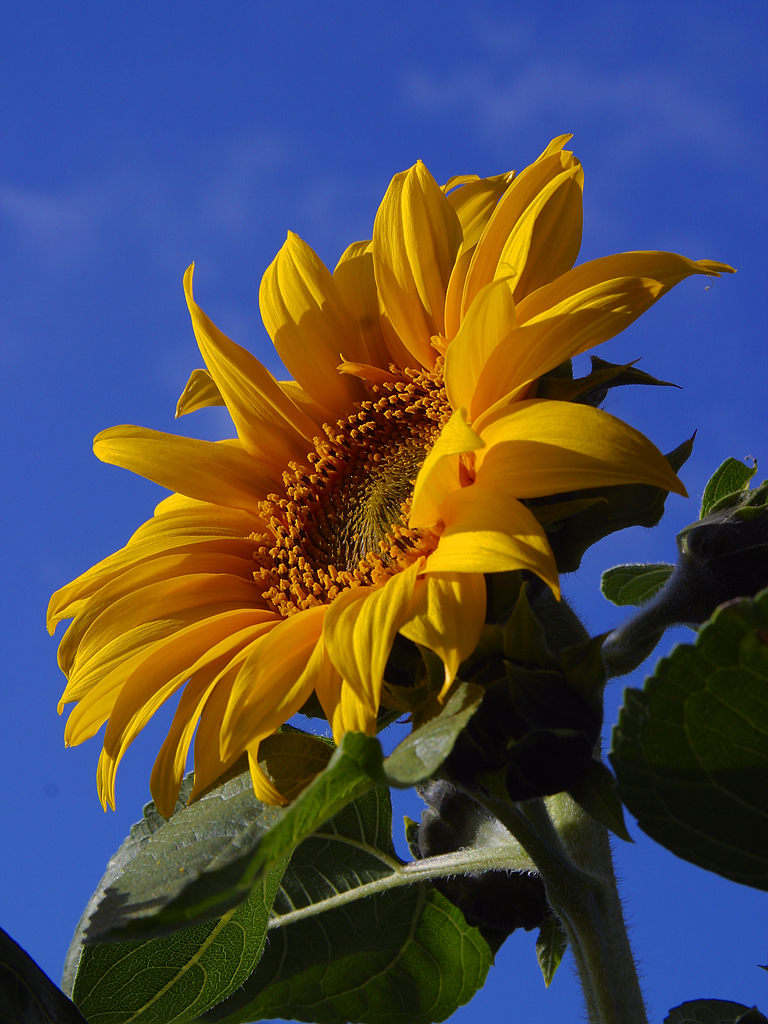 Common sunflowerHelianthus annuus
A tall annual plant grown for its large yellow flower heads and edible seeds
🇨🇦 Canada and 4 more · Wildflower
Common sunflowerHelianthus annuus
A tall annual plant grown for its large yellow flower heads and edible seeds
🇨🇦 Canada and 4 more · Wildflower
 PomegranatePunica granatum
A shrub with bright red flowers and a fruit full of edible seeds
🇮🇷 Iran and 9 more · Flowering shrub
PomegranatePunica granatum
A shrub with bright red flowers and a fruit full of edible seeds
🇮🇷 Iran and 9 more · Flowering shrub
 BirchBetula
Slender trees with papery bark found across the northern world
🇨🇳 China and 7 more · Wildflower
BirchBetula
Slender trees with papery bark found across the northern world
🇨🇳 China and 7 more · Wildflower