
Hanbury botanical gardens
A historic Mediterranean botanical garden on the Italian Riviera
The Hanbury botanical gardens, near Ventimiglia, Italy, cover 18 hectares on a steep peninsula by the sea. Founded in 1867, they hold about 2500 plant species from Mediterranean climates worldwide, including rare trees, succulents, palms, and an orchard of unusual fruits.
- Founded in 1867 by Sir Thomas Hanbury on the Italian Riviera
- Home to about 2500 plant species from Mediterranean climates worldwide
- Features rare trees, succulents, palms, and a historic villa
- Declared a nature preserve in 2000
- Proposed for UNESCO World Heritage status
What is Hanbury botanical gardens?
The Hanbury botanical gardens stretch across 18 hectares, with 9 hectares under cultivation. Visitors find winding paths, terraced slopes, and views of the Mediterranean Sea. The gardens feature collections of agaves, aloes, salvias, palms, succulents, citrus, and rare trees. There is an orchard with unusual fruits and old specimens of trees planted in the 1800s. The historic villa, once the Hanbury family home, stands within the grounds.
The history of Hanbury botanical gardens
Sir Thomas Hanbury established the gardens in 1867 after buying the Palazzo Orengo property on a peninsula near Ventimiglia. He worked with his brother Daniel Hanbury, botanist Ludwig Winter, and other scientists to create a garden for Mediterranean and exotic plants. The gardens grew to hold thousands of species, with catalogues published from the late 1800s. After damage in World War II and changes in ownership, the University of Genoa took over care in 1983. The site became a nature preserve in 2000 and has been proposed for UNESCO World Heritage status.
What there is to see
The gardens are designed to take advantage of the mild Mediterranean climate and steep terrain. Plantings are arranged by climate zone, with collections from the world's Mediterranean regions. Old trees, palms, succulents, and flowering plants are grouped along terraces and paths. The orchard contains rare fruit species. The gardens are maintained by the University of Genoa, which continues restoration and care.


When to go
The Hanbury botanical gardens are open to the public as a place to see Mediterranean and exotic plants. They are visited for their plant collections, historic villa, and sea views. The gardens have been recognized among Italy's most beautiful and are used for botanical research and education. Publications and seed exchanges have linked the gardens to others worldwide.
Parts and collections
The gardens contain about 2500 taxa, including notable collections of agaves, aloes, salvias, palms, and succulents. There are rare and old specimens such as Araucaria cunninghamii (planted 1832), Casimiroa edulis (1867), and Pinus canariensis (1870). The orchard features unusual fruits like feijoa, macadamia, and medlar. Collections also include Australian trees, citrus, and cultivated flowers.
Why Hanbury botanical gardens matters
The Hanbury gardens are a significant example of 19th-century botanical gardens in Italy. They have been proposed as a UNESCO World Heritage Site and are listed among the country's most beautiful gardens. The gardens have published important plant catalogues and seed lists since the 1880s, supporting plant exchange and research. Their history reflects the work of botanists and gardeners from several countries.
The flowers of Hanbury botanical gardens
 RosemaryA fragrant evergreen shrub with needle-like leaves and purple, blue, or white flowers
 Bitter orangeThe citrus tree behind Seville orange marmalade and Neroli oil
 SalviaA vast group of aromatic herbs and shrubs known for their flowers and uses
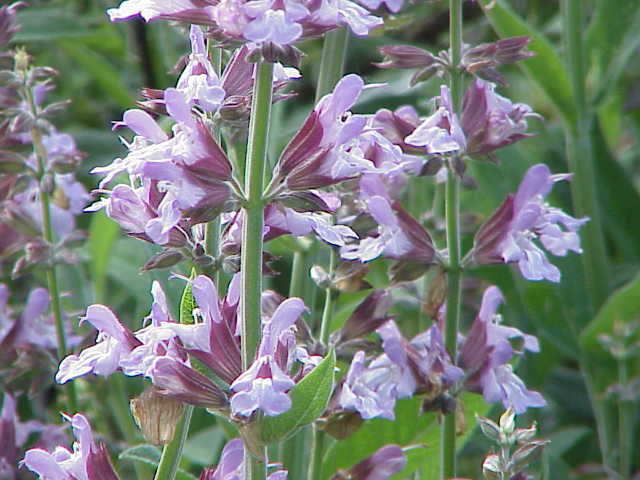 Common sageA Mediterranean herb with grey-green leaves and blue to purple flowers
 Cape aloeA tall, spiny aloe from southern Africa with orange-red flowers and medicinal uses
 Pineapple sageA Mexican shrub with pineapple-scented leaves and red tubular flowers
Questions people ask about Hanbury botanical gardens
Where are the Hanbury botanical gardens located?
The Hanbury botanical gardens are near Ventimiglia, Italy, on a steep peninsula by the Mediterranean Sea in the region of Mortola Inferiore.
What can visitors see at the gardens?
Visitors can explore collections of Mediterranean and exotic plants, including agaves, aloes, salvias, palms, succulents, rare trees, and an orchard of unusual fruits, as well as the historic villa.
Who founded the Hanbury botanical gardens?
Sir Thomas Hanbury founded the gardens in 1867 with help from his brother Daniel Hanbury, botanist Ludwig Winter, and other scientists.
What makes the gardens significant?
The gardens are known for their large collection of Mediterranean plants, their historic design, and their role in botanical research and plant exchange. They have been proposed as a UNESCO World Heritage Site.
Are the Hanbury gardens open to the public?
Yes, the gardens are open to visitors and are managed by the University of Genoa. They are also used for research and education.
Good reading and sources
- Giardini Botanici Hanbury on WikipediaEncyclopedia
- More photos on Wikimedia CommonsPhotos
- Wikidata recordOpen data
The facts on this page come from the Wikipedia article "Giardini Botanici Hanbury", written by its contributors and used under the CC BY-SA 4.0 licence, and from its Wikidata record (CC0). Phool rewrote the text in its own words, with AI assistance, and compares every page with the article to make sure no passage is copied. It may be reused under the same CC BY-SA 4.0 licence with a link back.
It may contain mistakes. Opening times, prices and bloom dates change: check with the place before you travel. If something is wrong, tell us. Last refreshed 2026-10-03.
More of the same kind
 Place
Tropical Botanical Garden and Research Institute
A major botanical garden and research centre in Thiruvananthapuram, Kerala
Thiruvananthapuram, 🇮🇳 India · Botanical garden
Place
Tropical Botanical Garden and Research Institute
A major botanical garden and research centre in Thiruvananthapuram, Kerala
Thiruvananthapuram, 🇮🇳 India · Botanical garden
 Place
Baldha Gardenবলধা গার্ডেন
A historic botanical garden in Old Dhaka with hundreds of plant species
Dhaka, 🇧🇩 Bangladesh · Botanical garden
Place
Baldha Gardenবলধা গার্ডেন
A historic botanical garden in Old Dhaka with hundreds of plant species
Dhaka, 🇧🇩 Bangladesh · Botanical garden
 Place
Hakone Botanical Garden of Wetlands箱根湿生花園
A garden of wetland and alpine plants in Hakone, Japan
Hakone, 🇯🇵 Japan · Botanical garden
Place
Hakone Botanical Garden of Wetlands箱根湿生花園
A garden of wetland and alpine plants in Hakone, Japan
Hakone, 🇯🇵 Japan · Botanical garden
 Place
Sim's Park, Coonoor
A century-old botanical garden in the Nilgiri hills of Tamil Nadu
Coonoor, 🇮🇳 India · Botanical garden, May
Place
Sim's Park, Coonoor
A century-old botanical garden in the Nilgiri hills of Tamil Nadu
Coonoor, 🇮🇳 India · Botanical garden, May
More from Italy
All the flowers of Italy Place
La Mortella
A private garden of tropical and Mediterranean plants on the island of Ischia, Italy
Forio, 🇮🇹 Italy · Flower garden
Place
La Mortella
A private garden of tropical and Mediterranean plants on the island of Ischia, Italy
Forio, 🇮🇹 Italy · Flower garden
 Place
Orto Botanico di Brera
A historic botanical garden in the heart of Milan
Milan, 🇮🇹 Italy · Botanical garden
Place
Orto Botanico di Brera
A historic botanical garden in the heart of Milan
Milan, 🇮🇹 Italy · Botanical garden
 Place
Orto botanico di Pisa
Europe’s first university botanical garden, founded in 1544 in Pisa, Italy
Pisa, 🇮🇹 Italy · Botanical garden
Place
Orto botanico di Pisa
Europe’s first university botanical garden, founded in 1544 in Pisa, Italy
Pisa, 🇮🇹 Italy · Botanical garden
 Place
Orto Botanico dell'Università di Bologna
A historic university botanical garden in Bologna, Italy
Bologna, 🇮🇹 Italy · Botanical garden
Place
Orto Botanico dell'Università di Bologna
A historic university botanical garden in Bologna, Italy
Bologna, 🇮🇹 Italy · Botanical garden