
Pineapple sage
Salvia elegans, family Lamiaceae
A Mexican shrub with pineapple-scented leaves and red tubular flowers
Pineapple sage is a perennial shrub from Mexico, known for its pineapple-scented leaves and bright red tubular flowers. It grows in mountain pine–oak forests and is popular with hummingbirds. Both leaves and flowers are edible, and it is used in Mexican traditional medicine.
- Native to Mexican mountain pine–oak forests
- Leaves and flowers have a pineapple scent and are edible
- Bright red tubular flowers attract hummingbirds
- Used in Mexican traditional medicine for anxiety and hypertension
- Introduced to horticulture around 1870
What does Pineapple sage look like?
Pineapple sage is a bushy perennial that can reach up to 1.5 meters tall. Its leafy stems are covered in pale yellow-green leaves, which are veined, softly hairy, and release a scent much like pineapple when touched. The plant produces clusters of tubular, scarlet red flowers in whorls along long stems. These flowers are especially attractive to hummingbirds and other pollinators.
Where does Pineapple sage come from?
Native to Mexico, pineapple sage grows wild in mountain pine–oak forests at elevations between 1,800 and 2,700 meters. It was introduced to horticulture around 1870. The plant’s natural habitat is in the Madrean and Mesoamerican regions, where it thrives in temperate highland forests. Its close relationship with hummingbirds is shaped by their shared environment and mutual dependence.
When and how Pineapple sage blooms
Pineapple sage is a short-day plant, meaning it flowers as days grow shorter, typically from August onward in Mexico. In cooler climates, it may flower later in autumn or even into winter if there is no frost. The plant spreads by underground roots to form large clumps. It is usually grown for its fragrant leaves and bright flowers, and can regrow after frost if the roots survive.
How Pineapple sage is used
Both the leaves and flowers of pineapple sage are edible and sometimes used fresh in salads or as a garnish. In Mexico, the plant is also valued in traditional medicine, especially for anxiety and high blood pressure. Its bright flowers make it a favorite in gardens, where it attracts hummingbirds and butterflies.
Kinds of Pineapple sage
There are several variants of Salvia elegans. 'Honey Melon' has the same pineapple scent but blooms earlier in summer. Tangerine sage, another variant, is shorter, with bronze-edged leaves and a citrus scent, and it also flowers in summer.
What Pineapple sage means
Pineapple sage is important in its native range for wildlife, especially hummingbirds, which rely on its abundant nectar. In Mexican traditional medicine, it is used for calming and to help with hypertension. The plant’s bright flowers and fragrant leaves have made it a favorite in gardens since its introduction to horticulture.
Where Pineapple sage is used and seen


Questions people ask about Pineapple sage
Where does pineapple sage come from?
Pineapple sage is native to Mexico, where it grows in mountain pine–oak forests at high elevations.
What does pineapple sage look and smell like?
It is a bushy shrub up to 1.5 meters tall, with pale yellow-green, hairy leaves that smell like pineapple, and clusters of bright red tubular flowers.
How is pineapple sage used?
Both the leaves and flowers are edible and sometimes used in salads or as a garnish. In Mexico, it is also used in traditional medicine for anxiety and high blood pressure.
What wildlife is attracted to pineapple sage?
The red tubular flowers are especially attractive to hummingbirds, as well as butterflies, bees, beetles, and flies.
Are there different types of pineapple sage?
Yes, variants include 'Honey Melon', which blooms earlier, and tangerine sage, which is shorter and has a citrus scent.
Good reading and sources
- Monty Don: Sage concernThe Guardian, Article
- USDA Plants DatabaseUS Department of Agriculture, Article
- Plants of the World OnlineRoyal Botanic Gardens, Kew, Plant database
- Where it has been recordedGBIF, Plant database
- Sightings and photos by naturalistsiNaturalist, Plant database
- Salvia elegans on WikipediaEncyclopedia
- More photos on Wikimedia CommonsPhotos
- Wikidata recordOpen data
The facts on this page come from the Wikipedia article "Salvia elegans", written by its contributors and used under the CC BY-SA 4.0 licence, and from its Wikidata record (CC0). Phool rewrote the text in its own words, with AI assistance, and compares every page with the article to make sure no passage is copied. It may be reused under the same CC BY-SA 4.0 licence with a link back.
It may contain mistakes. It is not medical or foraging advice: many flowers are poisonous, and traditional uses are reported, not recommended. If something is wrong, tell us. Last refreshed 2026-10-03.
Others in the family Lamiaceae
The whole family RosemarySalvia rosmarinus
A fragrant evergreen shrub with needle-like leaves and purple, blue, or white flowers
🇪🇸 Spain and 5 more · Flowering shrub
RosemarySalvia rosmarinus
A fragrant evergreen shrub with needle-like leaves and purple, blue, or white flowers
🇪🇸 Spain and 5 more · Flowering shrub
 Salvia
A vast group of aromatic herbs and shrubs known for their flowers and uses
Salvia · Wildflower
Salvia
A vast group of aromatic herbs and shrubs known for their flowers and uses
Salvia · Wildflower
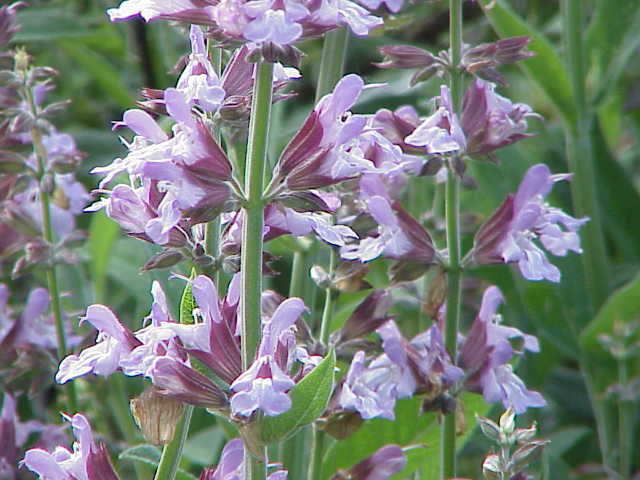 Common sageSalvia officinalis
A Mediterranean herb with grey-green leaves and blue to purple flowers
🇨🇳 China and 1 more · Herb or useful flower
Common sageSalvia officinalis
A Mediterranean herb with grey-green leaves and blue to purple flowers
🇨🇳 China and 1 more · Herb or useful flower
 Holy basilOcimum tenuiflorum
A fragrant herb central to Hindu worship and Southeast Asian cooking
🇲🇲 Myanmar and 6 more · Herb or useful flower
Holy basilOcimum tenuiflorum
A fragrant herb central to Hindu worship and Southeast Asian cooking
🇲🇲 Myanmar and 6 more · Herb or useful flower
More from Mexico
All the flowers of Mexico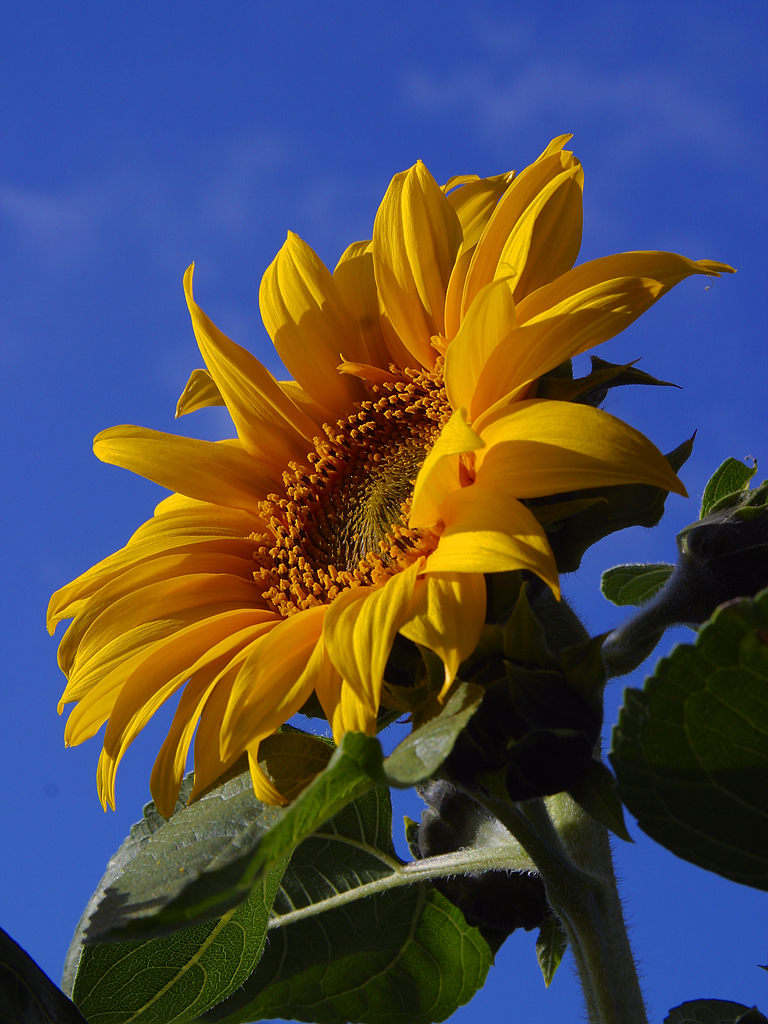 Common sunflowerHelianthus annuus
A tall annual plant grown for its large yellow flower heads and edible seeds
🇨🇦 Canada and 4 more · Wildflower
Common sunflowerHelianthus annuus
A tall annual plant grown for its large yellow flower heads and edible seeds
🇨🇦 Canada and 4 more · Wildflower
 CactusCactaceae
Succulent plants with spines, native to the Americas
🇲🇽 Mexico and 7 more · Wildflower
CactusCactaceae
Succulent plants with spines, native to the Americas
🇲🇽 Mexico and 7 more · Wildflower
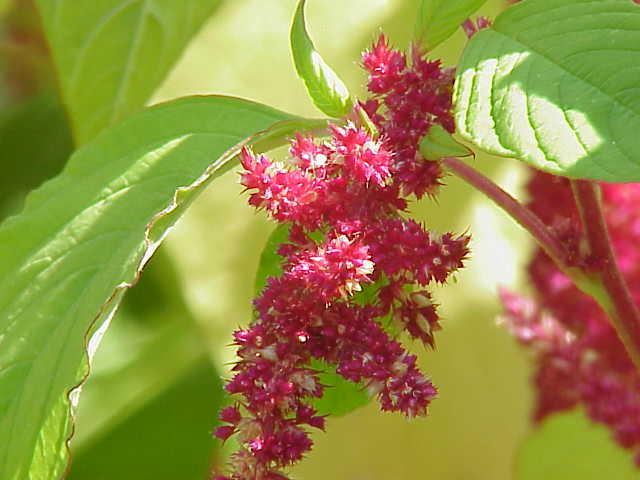 AmaranthAmaranthus
A tall, colourful plant grown for its flowers, leaves and edible seeds
🇲🇽 Mexico and 7 more · Wildflower
AmaranthAmaranthus
A tall, colourful plant grown for its flowers, leaves and edible seeds
🇲🇽 Mexico and 7 more · Wildflower
 HawthornCrataegus
A thorny shrub or tree with white or pink spring flowers and small edible fruits
🇮🇪 Ireland and 7 more · Wildflower
HawthornCrataegus
A thorny shrub or tree with white or pink spring flowers and small edible fruits
🇮🇪 Ireland and 7 more · Wildflower