
Flower preservation
Ways to keep flowers looking fresh long after they are picked
Flower preservation covers a range of methods to keep flowers looking fresh and colourful after picking. From ancient burials to modern resin pours and freeze-drying, people have used different techniques to save flowers for decoration, study, and memory. Each method suits different flowers and purposes, from air drying to pressing and more.
- Air drying is one of the oldest ways to preserve flowers
- Ancient Egyptians placed preserved flowers in tombs 4,000 years ago
- Silica gel and freeze drying keep flowers' colour and shape
- Pressed flowers are used for art and botanical study
- Resin pours create clear keepsakes from real flowers
What is Flower preservation?
Flower preservation is the practice of keeping flowers looking as close to fresh as possible after they are picked. Methods range from simple air drying, where flowers are hung upside down, to pressing flowers flat for art, to high-tech freeze-drying and resin pours that keep their three-dimensional shape and colour. Preserved flowers can be used in arrangements, jewelry, art, or as keepsakes. Some methods keep the flower’s shape and colour almost unchanged, while others create a new look, such as pressed botanical art.
Where does Flower preservation come from?
People have preserved flowers since ancient times. Archaeologists have found wild flowers placed with human remains in the Middle East, likely as a tribute. Ancient Egyptians placed flowers in tombs over 4,000 years ago. In Europe, the use of flowers shifted from medicinal nosegays to decorative ones in the 16th century, and by the Elizabethan Age, flowers were worn as ornaments. The art of pressing flowers, known as Oshibana, and other preservation methods have developed over centuries, each reflecting the needs and tastes of their time.
How Flower preservation is made
Air drying is one of the oldest and simplest ways: flowers are tied in small bunches and hung upside down in a dry, ventilated space. Pressing involves flattening flowers between sheets of paper under weight for several weeks. Glycerine can be used to keep flowers flexible. Silica gel and molecular sieves dry flowers quickly and help preserve colour and shape. Freeze drying uses cold and vacuum to remove moisture while keeping the flower’s form. Resin pours encase flowers in clear resin for display. Each method suits different flowers and purposes.
When and where Flower preservation is used
Preserved flowers are used in home decoration, gifts, weddings, and as keepsakes for special occasions. Pressed flowers are often framed as art or used in crafts. Freeze-dried and resin-preserved flowers are popular for wedding bouquets and memorials. In the past, preserved flowers were used in jewelry, fans, and gloves. Today, people use these methods to keep memories, decorate spaces, or create botanical art. Some preserved flowers are used in festivals or as tributes for mourning.
Forms of Flower preservation
Different methods suit different flowers. Air drying works well for strawflowers, hydrangeas, and globe amaranth. Silica gel is good for delicate flowers like roses and tulips. Molecular sieves are used for flowers with many petals or rigid structure, such as peonies and camellias. Freeze drying preserves the natural look of carnations, African violets, and baby's breath. Pressed flowers can be made from many species and are often used in botanical art. Resin pours allow for creative display of single blooms or small arrangements.
What Flower preservation means
Flower preservation has been part of human culture for thousands of years, from ancient burials to Victorian pressed flower art. In the 16th century, preserved flowers became fashionable as ornaments. Today, preserved flowers are used for keepsakes, memorials, and art. The practice connects people to memories and traditions, and each method reflects changing tastes and technology. Preserved flowers can be found in museums, homes, and as part of personal mementos.
The flowers of Flower preservation
 RoseWoody perennial plants with showy, often fragrant flowers in many colours
 RosemaryA fragrant evergreen shrub with needle-like leaves and purple, blue, or white flowers
 ChrysanthemumAutumn-blooming flower with thousands of varieties, cherished in East Asia and beyond
 HydrangeaFlowering shrubs with large heads that change color with soil pH
 MarigoldA group of bright annual and perennial flowers known worldwide as marigolds
 SalviaA vast group of aromatic herbs and shrubs known for their flowers and uses
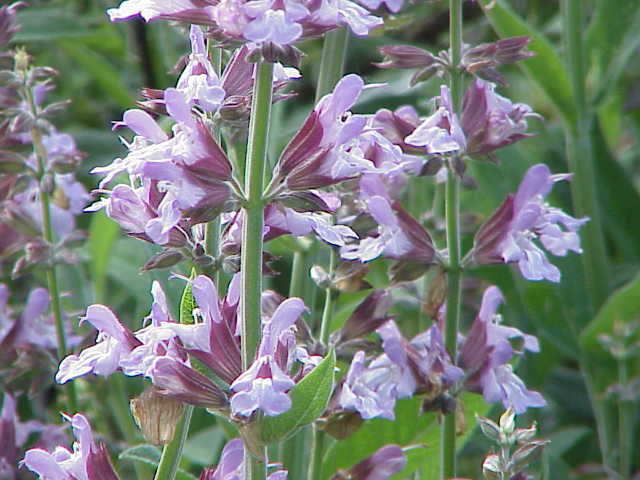 Common sageA Mediterranean herb with grey-green leaves and blue to purple flowers
 CalendulaGolden daisy-like flowers used in food, dye, and rituals
Questions people ask about Flower preservation
What is flower preservation?
Flower preservation is the practice of keeping flowers looking fresh and colourful after picking, using methods like air drying, pressing, freeze drying, or encasing in resin. These techniques help flowers last much longer for decoration, art, or keepsakes.
Where did flower preservation begin?
Flower preservation dates back to ancient times. Archaeologists have found preserved flowers in Middle Eastern burials and Egyptian tombs over 4,000 years old. The practice has evolved over centuries across different cultures.
What flowers are best for drying?
Flowers like strawflowers, hydrangeas, globe amaranth, marigolds, chrysanthemums, roses, and zinnias are well suited to air drying or other preservation methods. Some delicate flowers do best with silica gel or freeze drying.
How are flowers preserved in resin?
To preserve flowers in resin, two resin components are mixed and poured into a mould with the flower inside. The resin hardens to form a clear block, keeping the flower visible and protected. Safety gear is recommended due to fumes and heat.
What are preserved flowers used for?
Preserved flowers are used for home decoration, gifts, weddings, memorials, and art. Pressed flowers are framed or used in crafts, while freeze-dried and resin-preserved flowers are popular for keepsakes and special occasions.
Good reading and sources
- Flower preservation on WikipediaEncyclopedia
- More photos on Wikimedia CommonsPhotos
- Wikidata recordOpen data
The facts on this page come from the Wikipedia article "Flower preservation", written by its contributors and used under the CC BY-SA 4.0 licence, and from its Wikidata record (CC0). Phool rewrote the text in its own words, with AI assistance, and compares every page with the article to make sure no passage is copied. It may be reused under the same CC BY-SA 4.0 licence with a link back.
It may contain mistakes. If something is wrong, tell us. Last refreshed 2026-10-03.
More of the same kind
 Decoration
Corn dolly
Straw figures shaped for harvest customs across Europe
🇮🇪 Ireland and 3 more · Flower craft
Decoration
Corn dolly
Straw figures shaped for harvest customs across Europe
🇮🇪 Ireland and 3 more · Flower craft
 Decoration
Paisleyبته
A curved teardrop motif from Iran and India, now used worldwide on textiles
🇮🇷 Iran and 8 more · Art or design
Decoration
Paisleyبته
A curved teardrop motif from Iran and India, now used worldwide on textiles
🇮🇷 Iran and 8 more · Art or design
 Decoration
Butaبوته
A curved floral motif found in Persian, Indian, and Central Asian art and textiles
🇮🇷 Iran and 5 more · Art or design
Decoration
Butaبوته
A curved floral motif found in Persian, Indian, and Central Asian art and textiles
🇮🇷 Iran and 5 more · Art or design
 Decoration
Vase
An open container for holding and displaying cut flowers
Arrangement
Decoration
Vase
An open container for holding and displaying cut flowers
Arrangement