
Bitter orange
Citrus × aurantium, family Rutaceae
The citrus tree behind Seville orange marmalade and Neroli oil
Bitter orange is a hybrid citrus tree from Southeast Asia, grown for its sour fruit and fragrant flowers. Its fruit is valued for marmalade, liqueurs, and traditional dishes in many countries, while the flowers yield Neroli oil for perfumes and orange flower water.
- Seville oranges are shipped to Britain for marmalade each year
- Neroli oil is distilled from the flowers for perfume and orange flower water
- Bitter orange is used in traditional dishes from Mexico to India
- The tree can live up to 600 years
- Its peel flavors liqueurs like Curaçao and Cointreau
What does Bitter orange look like?
Bitter orange is a small, evergreen citrus tree with glossy, dark green leaves and long thorns. Its fruit is round, orange, and has a thick, rough skin with a distinctly bitter or sour taste. The white flowers are fragrant and are distilled for Neroli oil and orange flower water. The tree can live for centuries and is often seen in gardens and city streets, especially in places like Seville.
Where does Bitter orange come from?
Native to South China and Southeast Asia, bitter orange is a hybrid between wild mandarin and pomelo. It spread westward through India and Iran to the Islamic world by the 8th century, and later reached Europe and the Americas. The tree became established in the Mediterranean, where it is now a familiar sight, especially in Spain and Italy. Its spread was helped by trade and its usefulness in cooking and perfumery.
When and how Bitter orange blooms
Bitter orange trees grow in subtropical climates and tolerate brief frost. They are usually grown from seed or grafted as rootstock for other citrus trees. The fruit ripens on the tree and is harvested when fully orange. The peel is used fresh or dried for culinary and aromatic uses, while the flowers are picked for distillation into essential oils.


How Bitter orange is used
The fruit is rarely eaten raw due to its sourness, but is prized for marmalade, especially in Britain, and for traditional dishes in India, Mexico, Turkey, and Greece. The peel flavors liqueurs like Curaçao and Cointreau, and is used in baked goods and drinks across Europe. Neroli oil from the flowers is used in perfumes and orange flower water in sweets and drinks. Bitter orange is also used as a rootstock in citrus orchards and in woodworking.
Kinds of Bitter orange
Several varieties and forms exist. 'Chinotto' is used for a popular Italian drink. The 'daidai' variety is used in Chinese medicine and tea. The 'laraha' of Curaçao provides peel for Curaçao liqueur. Bergamot orange, likely a related hybrid, is cultivated in Italy for its aromatic oil, used in Earl Grey tea and perfumes.
What Bitter orange means
Bitter orange is central to British marmalade and Mediterranean cityscapes, especially Seville, where its fruit is exported for marmalade. In Greece, Turkey, and India, it features in sweets, jams, and chutneys. The tree is valued for its longevity and resilience. Extracts are used in traditional medicine, but supplements have been linked to health risks. Its flowers and fruit are important in culinary and aromatic traditions.
Where Bitter orange is used and seen
 Essential oilFragrant plant oils used for scent, flavour, and traditional remedies
 Hanbury botanical gardensA historic Mediterranean botanical garden on the Italian Riviera
 Jardin botanique exotique de MentonA Mediterranean garden in Menton with rare and exotic plants from around the world
 Mehtab BaghA Mughal riverside garden facing the Taj Mahal in Agra
 Lincoln Park ConservatoryA Victorian glasshouse and gardens in Chicago's Lincoln Park
 Gardens of the WorldA 4.5-acre botanical garden with themed gardens in Thousand Oaks, California
Traditions that use it
Where to see Bitter orange

Questions people ask about Bitter orange
Where does bitter orange come from?
Bitter orange is native to South China and Southeast Asia. It spread westward through India and Iran to the Islamic world, and later to Europe and the Americas through trade and cultivation.
What is bitter orange used for?
Bitter orange is used for making marmalade, flavoring liqueurs, and in traditional dishes in many countries. Its flowers are distilled for Neroli oil and orange flower water, both used in perfumes and food.
Why is it called Seville orange?
The name 'Seville orange' comes from the city of Seville in Spain, where the trees are widely grown and the fruit is exported for making British marmalade.
Is bitter orange safe to eat?
The raw fruit is very sour and rarely eaten directly, but its peel and juice are widely used in cooking, drinks, and preserves. Extracts used in supplements have been linked to health risks.
Are there different types of bitter orange?
Yes, there are several varieties, including 'Chinotto' for drinks, 'daidai' for Chinese medicine, and 'laraha' for Curaçao liqueur. Bergamot orange is a related hybrid grown for its aromatic oil.
Good reading and sources
- Encyclopaedia BritannicaArticle
- Swedish Christmas Glögg recipeBBC, Article
- Plants of the World OnlineRoyal Botanic Gardens, Kew, Plant database
- Where it has been recordedGBIF, Plant database
- Sightings and photos by naturalistsiNaturalist, Plant database
- Bitter orange on WikipediaEncyclopedia
- More photos on Wikimedia CommonsPhotos
- Wikidata recordOpen data
The facts on this page come from the Wikipedia article "Bitter orange", written by its contributors and used under the CC BY-SA 4.0 licence, and from its Wikidata record (CC0). Phool rewrote the text in its own words, with AI assistance, and compares every page with the article to make sure no passage is copied. It may be reused under the same CC BY-SA 4.0 licence with a link back.
It may contain mistakes. It is not medical or foraging advice: many flowers are poisonous, and traditional uses are reported, not recommended. If something is wrong, tell us. Last refreshed 2026-10-03.
Others in the family Rutaceae
The whole family BaelAegle marmelos
A spiny tree with fragrant yellow-green flowers and hard-shelled aromatic fruit
🇮🇳 India and 6 more · Flowering tree
BaelAegle marmelos
A spiny tree with fragrant yellow-green flowers and hard-shelled aromatic fruit
🇮🇳 India and 6 more · Flowering tree
 Orange jasmineMurraya paniculata
A fragrant shrub or small tree with white flowers and orange-red berries
🇨🇳 China and 7 more · Wildflower
Orange jasmineMurraya paniculata
A fragrant shrub or small tree with white flowers and orange-red berries
🇨🇳 China and 7 more · Wildflower
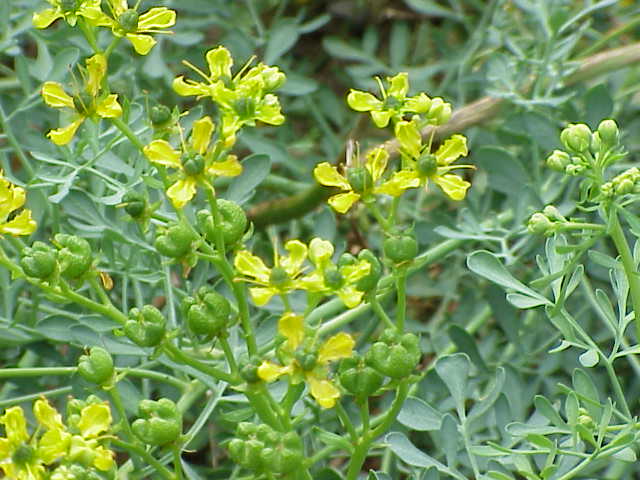 Common rueRuta graveolens
A strong-scented Mediterranean herb with blue-green leaves and yellow flowers
🇱🇹 Lithuania and 8 more · Wildflower
Common rueRuta graveolens
A strong-scented Mediterranean herb with blue-green leaves and yellow flowers
🇱🇹 Lithuania and 8 more · Wildflower
More from China
All the flowers of China PeachPrunus persica
A flowering fruit tree from China, grown for its pink blossoms and sweet fruit
🇨🇳 China and 7 more · Flowering tree
PeachPrunus persica
A flowering fruit tree from China, grown for its pink blossoms and sweet fruit
🇨🇳 China and 7 more · Flowering tree
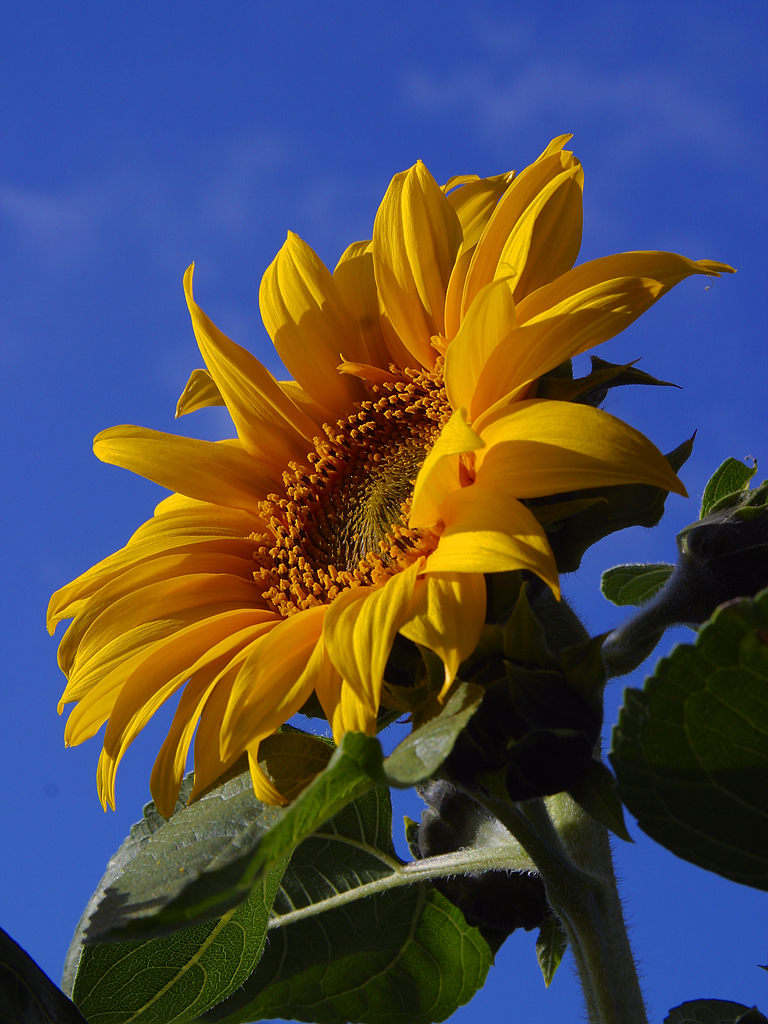 Common sunflowerHelianthus annuus
A tall annual plant grown for its large yellow flower heads and edible seeds
🇨🇦 Canada and 4 more · Wildflower
Common sunflowerHelianthus annuus
A tall annual plant grown for its large yellow flower heads and edible seeds
🇨🇦 Canada and 4 more · Wildflower
 PomegranatePunica granatum
A shrub with bright red flowers and a fruit full of edible seeds
🇮🇷 Iran and 9 more · Flowering shrub
PomegranatePunica granatum
A shrub with bright red flowers and a fruit full of edible seeds
🇮🇷 Iran and 9 more · Flowering shrub
 BirchBetula
Slender trees with papery bark found across the northern world
🇨🇳 China and 7 more · Wildflower
BirchBetula
Slender trees with papery bark found across the northern world
🇨🇳 China and 7 more · Wildflower