
Lincoln Park Conservatory
A Victorian glasshouse and gardens in Chicago's Lincoln Park
Lincoln Park Conservatory is a historic glasshouse and botanical garden in Chicago, Illinois. Visitors can explore four themed rooms filled with rare and exotic plants, including orchids and palms, and stroll through one of the city's oldest formal gardens, which features sculptures and seasonal displays.
- Victorian glasshouse with four themed plant rooms
- Home to rare orchids, palms, and ancient cycads
- Formal garden features historic sculptures and fountains
- Seasonal flower shows run throughout the year
- Located in Chicago's Lincoln Park neighborhood
What is Lincoln Park Conservatory?
Lincoln Park Conservatory is a large glasshouse from the late 1800s, set in Chicago’s Lincoln Park. Inside, four main rooms display a wide mix of plants: palms, ferns, orchids, and tropical species. The Palm House features tall trees and food plants like bananas and cacao. The Fern Room is sunken and filled with ancient plant types. The Orchid Room holds hundreds of orchid varieties and bromeliads. Outside, visitors find a formal garden with flower beds, fountains, and statues, as well as a collection of evergreen conifers.
The history of Lincoln Park Conservatory
The conservatory was built in the late nineteenth century as interest in plant collecting grew in Chicago. Its glass and iron structure was designed by Joseph Lyman Silsbee and Mifflin E. Bell, who gave it a distinctive Victorian style with curved arches. The first greenhouse on the site appeared in 1877, and the formal garden was added soon after. The conservatory replaced an earlier, smaller structure to house a growing plant collection. Over time, it became known for its rare and exotic specimens, even sharing seeds with places as far as Egypt.
What there is to see
The conservatory is divided into four main display halls, each with its own focus. The Palm House contains large palms and tropical food plants, while the Fern Room is set below ground level and holds ferns and cycads. The Orchid Room, once called the Tropical Room, is filled with orchids and bromeliads that thrive in humid air. The Show House changes with the seasons, hosting flower exhibitions throughout the year. Outside, the formal garden is planted with annuals and tropical plants each spring.


When to go
People visit Lincoln Park Conservatory year-round to see its plant collections and seasonal flower shows. The formal garden in front is especially popular from summer into mid-autumn, when the plantings are at their best. The conservatory also serves as a site for educational programs and community events. Sculptures and monuments in the gardens add to its appeal for both locals and visitors.
Parts and collections
The conservatory’s rooms each highlight different plant groups. The Palm House includes unusual palms like the Bottle and Fiji Fan palms, as well as fruiting trees. The Fern Room features ancient cycads. The Orchid Room holds a large collection of orchid species and bromeliads. The Show House changes its displays for spring, summer, and winter, offering new themes and plants throughout the year.
Why Lincoln Park Conservatory matters
Lincoln Park Conservatory is one of Chicago’s oldest public gardens and a key part of the city’s horticultural history. Its formal garden has hosted notable sculptures, such as the Schiller and Shakespeare monuments. The conservatory has played a role in plant exchange with other countries, and its collections and architecture reflect the Victorian era’s fascination with exotic plants. It remains a popular destination for plant lovers and those interested in garden art.
The flowers of Lincoln Park Conservatory
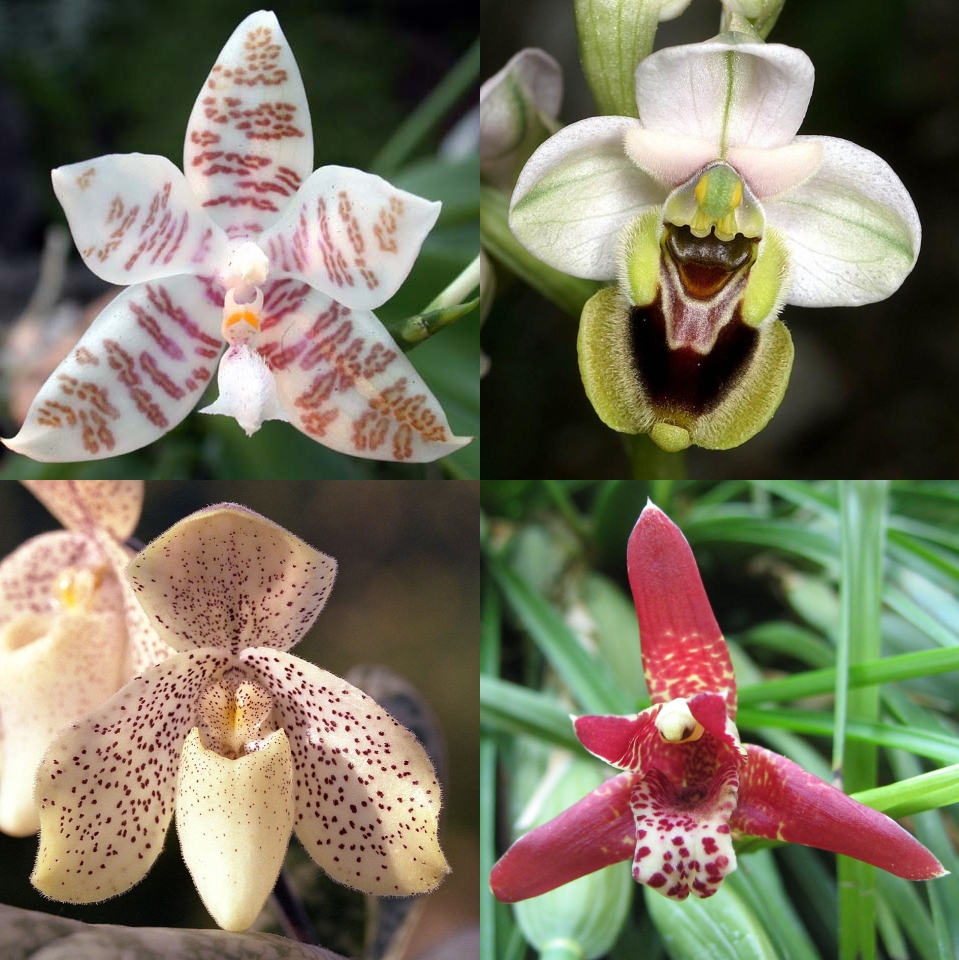

Questions people ask about Lincoln Park Conservatory
Where is Lincoln Park Conservatory located?
It is found at 2391 North Stockton Drive in Chicago, Illinois, within Lincoln Park, just south of Fullerton Avenue and west of Lake Shore Drive.
What can visitors see inside the conservatory?
Guests can explore four main rooms: the Palm House with tall palms and fruit trees, the Fern Room with ferns and cycads, the Orchid Room filled with orchids and bromeliads, and the Show House, which hosts seasonal flower displays.
When is the best time to visit the formal garden?
The formal garden is planted in late spring, with the best viewing from July to August, and the display continues into mid-October.
What is special about the conservatory’s architecture?
The building is a Victorian-era glasshouse, designed in the late 1800s with distinctive arches and a style meant to showcase exotic plants.
Are there any notable artworks in the gardens?
Yes, the gardens feature sculptures such as the Schiller monument and the Eli Bates Fountain, with the Shakespeare monument nearby in Grandmother’s Garden.
Good reading and sources
- Lincoln Park Conservatory on WikipediaEncyclopedia
- More photos on Wikimedia CommonsPhotos
- Wikidata recordOpen data
The facts on this page come from the Wikipedia article "Lincoln Park Conservatory", written by its contributors and used under the CC BY-SA 4.0 licence, and from its Wikidata record (CC0). Phool rewrote the text in its own words, with AI assistance, and compares every page with the article to make sure no passage is copied. It may be reused under the same CC BY-SA 4.0 licence with a link back.
It may contain mistakes. Opening times, prices and bloom dates change: check with the place before you travel. If something is wrong, tell us. Last refreshed 2026-10-03.
More of the same kind
 Place
Tropical Botanical Garden and Research Institute
A major botanical garden and research centre in Thiruvananthapuram, Kerala
Thiruvananthapuram, 🇮🇳 India · Botanical garden
Place
Tropical Botanical Garden and Research Institute
A major botanical garden and research centre in Thiruvananthapuram, Kerala
Thiruvananthapuram, 🇮🇳 India · Botanical garden
 Place
Baldha Gardenবলধা গার্ডেন
A historic botanical garden in Old Dhaka with hundreds of plant species
Dhaka, 🇧🇩 Bangladesh · Botanical garden
Place
Baldha Gardenবলধা গার্ডেন
A historic botanical garden in Old Dhaka with hundreds of plant species
Dhaka, 🇧🇩 Bangladesh · Botanical garden
 Place
Hakone Botanical Garden of Wetlands箱根湿生花園
A garden of wetland and alpine plants in Hakone, Japan
Hakone, 🇯🇵 Japan · Botanical garden
Place
Hakone Botanical Garden of Wetlands箱根湿生花園
A garden of wetland and alpine plants in Hakone, Japan
Hakone, 🇯🇵 Japan · Botanical garden
 Place
Sim's Park, Coonoor
A century-old botanical garden in the Nilgiri hills of Tamil Nadu
Coonoor, 🇮🇳 India · Botanical garden, May
Place
Sim's Park, Coonoor
A century-old botanical garden in the Nilgiri hills of Tamil Nadu
Coonoor, 🇮🇳 India · Botanical garden, May
More from the United States
All the flowers of the United States Place
Hillwood Estate, Museum & Gardens
A museum and garden estate in Washington, D.C. with historic interiors and formal gardens
Washington, D.C., 🇺🇸 United States · Flower garden
Place
Hillwood Estate, Museum & Gardens
A museum and garden estate in Washington, D.C. with historic interiors and formal gardens
Washington, D.C., 🇺🇸 United States · Flower garden
 Place
Callaway Gardens
A 2,500-acre garden and resort in Pine Mountain, Georgia, known for its azaleas
Pine Mountain, 🇺🇸 United States · Botanical garden
Place
Callaway Gardens
A 2,500-acre garden and resort in Pine Mountain, Georgia, known for its azaleas
Pine Mountain, 🇺🇸 United States · Botanical garden
 Place
Dumbarton Oaks
A historic estate, garden, museum, and research center in Washington, D.C.
Washington, D.C., 🇺🇸 United States · Flower garden
Place
Dumbarton Oaks
A historic estate, garden, museum, and research center in Washington, D.C.
Washington, D.C., 🇺🇸 United States · Flower garden
 Place
San Antonio Botanical Garden
A 41-acre botanical garden on one of San Antonio’s highest points
San Antonio, 🇺🇸 United States · Botanical garden
Place
San Antonio Botanical Garden
A 41-acre botanical garden on one of San Antonio’s highest points
San Antonio, 🇺🇸 United States · Botanical garden