
Dumbarton Oaks
A historic estate, garden, museum, and research center in Washington, D.C.
Dumbarton Oaks is a historic estate in Georgetown, Washington, D.C., known for its terraced gardens, museum collections, and research institute. Once the home of Robert and Mildred Bliss, it now belongs to Harvard University and is open to the public for its gardens, art collections, and cultural events.
- Site of the 1944 conference that led to the United Nations Charter
- Features terraced gardens designed by Beatrix Farrand
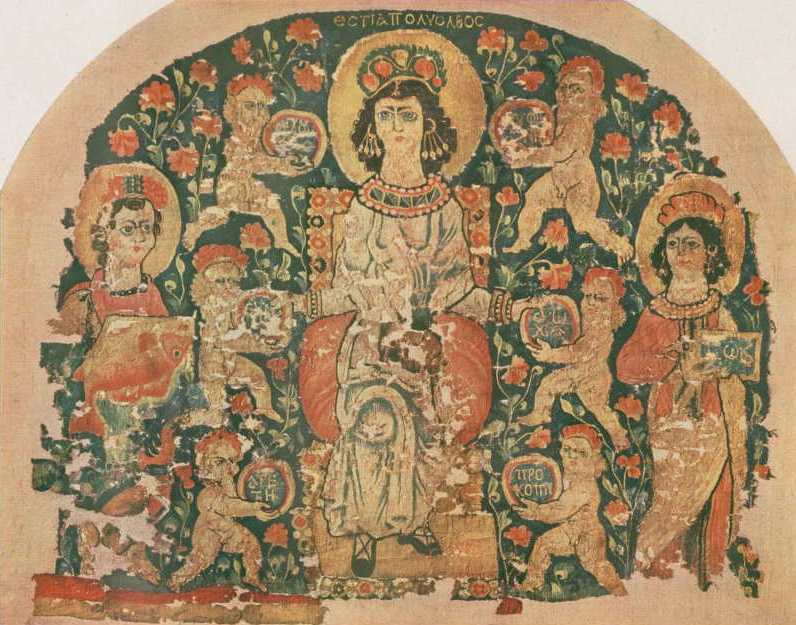
- Home to major collections of Byzantine and Pre-Columbian art
- Hosts public lectures, concerts, and exhibitions
- Owned by Harvard University since 1940
What is Dumbarton Oaks?
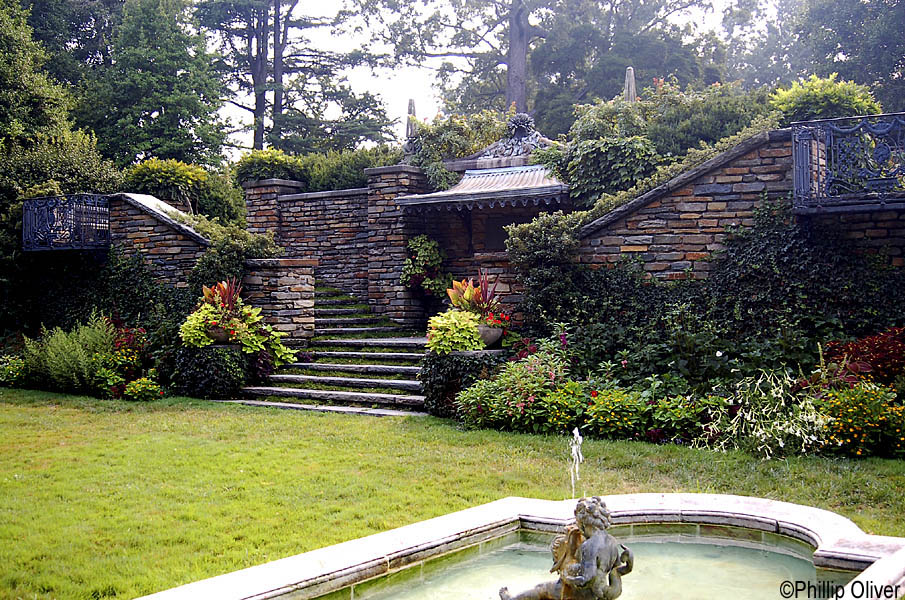
Dumbarton Oaks is a large estate featuring a historic mansion, formal terraced gardens, and a museum. Visitors find a series of outdoor garden rooms, wooded areas, and landscaped terraces designed by Beatrix Farrand. The museum displays collections focused on Byzantine and Pre-Columbian art. The site also includes a research library and hosts lectures, concerts, and exhibitions throughout the year.
The history of Dumbarton Oaks
The estate’s land was originally part of a colonial land grant. The first house was built around 1801, with later expansions and name changes. Robert and Mildred Bliss bought the property in 1920, naming it Dumbarton Oaks in 1933. They hired architect Frederick H. Brooke and landscape architect Beatrix Farrand to transform the house and gardens. In 1940, the Blisses donated the estate to Harvard University, which established it as a center for research and public engagement.
What there is to see
The gardens at Dumbarton Oaks were designed in the early 20th century by Beatrix Farrand, working closely with Mildred Bliss. The landscape includes terraced lawns, formal flower beds, and woodland paths. The house and its outbuildings were expanded and renovated by several architects, creating spaces for music, art, and research. The museum and library were added to house the growing collections and support scholarly work.


When to go
Dumbarton Oaks is open to the public for garden visits, museum exhibitions, and cultural events. It serves as a research institute for scholars in Byzantine, Pre-Columbian, and landscape studies. The estate also hosts public lectures, symposia, and a concert series. Its gardens and collections attract visitors interested in art, history, and landscape design.
Parts and collections
The estate includes both formal gardens and a naturalistic park, the latter now managed as Dumbarton Oaks Park by the National Park Service. The museum collections focus on Byzantine and Pre-Columbian art, with dedicated galleries and research libraries. The gardens feature different styles and plantings across various terraces and outdoor rooms.
Why Dumbarton Oaks matters
Dumbarton Oaks is notable for its role in the 1944 conference that helped shape the United Nations. It is recognized for its contributions to scholarship in art, history, and landscape architecture. The estate’s gardens are considered a significant example of early 20th-century American landscape design. The music room has hosted premieres, including Stravinsky’s Dumbarton Oaks Concerto.
Questions people ask about Dumbarton Oaks
Where is Dumbarton Oaks located?
Dumbarton Oaks is in the Georgetown neighborhood of Washington, D.C., United States. It is a historic estate open to the public for its gardens and museum.
What is Dumbarton Oaks known for?
It is known for its historic terraced gardens, museum collections of Byzantine and Pre-Columbian art, and as a center for research and public events.
Who created the gardens at Dumbarton Oaks?
The gardens were designed by landscape architect Beatrix Farrand in collaboration with Mildred Bliss, beginning in the early 1920s.
What important event took place at Dumbarton Oaks?
In 1944, it hosted the Dumbarton Oaks Conference, where delegates from several countries developed plans for the United Nations.
Can the public visit Dumbarton Oaks?
Yes, the gardens and museum are open to visitors. The estate also holds public lectures, concerts, and exhibitions throughout the year.
Good reading and sources
- Dumbarton Oaks on WikipediaEncyclopedia
- More photos on Wikimedia CommonsPhotos
- Wikidata recordOpen data
The facts on this page come from the Wikipedia article "Dumbarton Oaks", written by its contributors and used under the CC BY-SA 4.0 licence, and from its Wikidata record (CC0). Phool rewrote the text in its own words, with AI assistance, and compares every page with the article to make sure no passage is copied. It may be reused under the same CC BY-SA 4.0 licence with a link back.
It may contain mistakes. Opening times, prices and bloom dates change: check with the place before you travel. If something is wrong, tell us. Last refreshed 2026-10-03.
More of the same kind
 Place
AlhambraLa Alhambra
Medieval palace and fortress complex overlooking Granada, Spain
Granada, 🇪🇸 Spain · Flower garden
Place
AlhambraLa Alhambra
Medieval palace and fortress complex overlooking Granada, Spain
Granada, 🇪🇸 Spain · Flower garden
 Place
Chashme Shahi
A Mughal garden built around a spring in Srinagar, Kashmir
Srinagar, 🇮🇳 India · Flower garden, Mar to Nov
Place
Chashme Shahi
A Mughal garden built around a spring in Srinagar, Kashmir
Srinagar, 🇮🇳 India · Flower garden, Mar to Nov
 Place
Yadavindra Gardens
A 17th-century Mughal garden with seven terraces in Pinjore, Haryana
Panchkula, 🇮🇳 India · Flower garden, Apr to Dec
Place
Yadavindra Gardens
A 17th-century Mughal garden with seven terraces in Pinjore, Haryana
Panchkula, 🇮🇳 India · Flower garden, Apr to Dec
 Place
Shalimar Bagh
A Mughal-era garden of terraces, fountains and chinar trees by Dal Lake, Srinagar
Srinagar, 🇮🇳 India · Flower garden
Place
Shalimar Bagh
A Mughal-era garden of terraces, fountains and chinar trees by Dal Lake, Srinagar
Srinagar, 🇮🇳 India · Flower garden
More from the United States
All the flowers of the United States Place
Garvan Woodland Gardens
A lakeside botanical garden with woodland trails in Arkansas
Hot Springs, 🇺🇸 United States · Botanical garden
Place
Garvan Woodland Gardens
A lakeside botanical garden with woodland trails in Arkansas
Hot Springs, 🇺🇸 United States · Botanical garden
 Place
Hawaii Tropical Botanical Garden
A 17-acre garden of tropical plants on Hawaii Island’s lush coast
Hamakua, 🇺🇸 United States · Botanical garden
Place
Hawaii Tropical Botanical Garden
A 17-acre garden of tropical plants on Hawaii Island’s lush coast
Hamakua, 🇺🇸 United States · Botanical garden
 Place
Crested Butte
A mountain town famed for wildflowers and outdoor festivals in Colorado
Gunnison County, 🇺🇸 United States · Flower garden
Place
Crested Butte
A mountain town famed for wildflowers and outdoor festivals in Colorado
Gunnison County, 🇺🇸 United States · Flower garden
 Place
Callaway Gardens
A 2,500-acre garden and resort in Pine Mountain, Georgia, known for its azaleas
Pine Mountain, 🇺🇸 United States · Botanical garden
Place
Callaway Gardens
A 2,500-acre garden and resort in Pine Mountain, Georgia, known for its azaleas
Pine Mountain, 🇺🇸 United States · Botanical garden