
Argyranthemum
Daisy-like flowers from the Macaronesian islands, grown for summer colour
Argyranthemum is a group of daisy-like flowering plants native to Macaronesia, especially the Canary Islands, Madeira, and the Savage Islands. Their white, pink, yellow, or purple blooms are popular in gardens and containers, and many hybrids are grown as summer ornamentals.
- Native only to the Canary Islands, Madeira, and the Savage Islands
- Grown widely as a summer ornamental for gardens and containers
- Flowers come in white, pink, yellow, and purple shades
What does Argyranthemum look like?
Argyranthemum plants are known for their daisy-like flowers, which can be single or double in form. The blooms come in a range of colours, including white, pink, yellow, and purple. These plants are often bushy and produce many flowers through the summer months, making them a favourite for garden beds and containers. Their foliage is typically green and finely divided.
Where does Argyranthemum come from?
This genus is native only to the Macaronesian islands: the Canary Islands, Madeira, and the Savage Islands. Argyranthemum species have sometimes been grouped with Chrysanthemum. Over time, they have been widely cultivated outside their native range, especially as garden ornamentals. The wild forms remain limited to their island habitats.
When and how Argyranthemum blooms
Gardeners grow Argyranthemum from seed, cuttings, or as young plants bought in spring. They are planted out after the last frost, as they do not tolerate cold well. Through summer, they produce many daisy-like flowers. Hybrids and cultivars are bred for a range of colours and flower shapes, and are often used in bedding displays or pots.


How Argyranthemum is used
Argyranthemum is mainly grown for its decorative flowers in gardens and containers. The plants are valued for their long flowering season and bright colours, making them popular for summer displays. There is no mention of traditional or ceremonial uses in the sources.
Kinds of Argyranthemum
Many hybrids and cultivars exist, some involving related genera. These varieties offer different flower forms, from single to double blooms, and a wide palette of colours. Argyranthemum frutescens is one notable species, also known as marguerite daisy.
What Argyranthemum means
Argyranthemum does not have a strong symbolic or religious meaning in the sources. Its main role is as a garden ornamental, especially valued in regions with mild summers. The genus is sometimes called marguerite or dill daisy, and is occasionally confused with Chrysanthemum.
Where Argyranthemum is used and seen

Questions people ask about Argyranthemum
Where does Argyranthemum come from?
Argyranthemum is native to Macaronesia, specifically the Canary Islands, Madeira, and the Savage Islands. It does not grow wild outside these islands.
What do Argyranthemum flowers look like?
They have daisy-like blooms that can be single or double, in shades of white, pink, yellow, or purple. The plants are bushy and flower through summer.
How is Argyranthemum used?
It is mainly grown as an ornamental plant for gardens, bedding, and containers, valued for its colourful and long-lasting summer flowers.
Is Argyranthemum the same as Chrysanthemum?
Some sources have grouped Argyranthemum with Chrysanthemum, but it is now treated as a separate genus.
Good reading and sources
- USDA Plants DatabaseUS Department of Agriculture, Article
- Plants of the World OnlineRoyal Botanic Gardens, Kew, Plant database
- Where it has been recordedGBIF, Plant database
- Sightings and photos by naturalistsiNaturalist, Plant database
- Argyranthemum on WikipediaEncyclopedia
- More photos on Wikimedia CommonsPhotos
- Wikidata recordOpen data
The facts on this page come from the Wikipedia article "Argyranthemum", written by its contributors and used under the CC BY-SA 4.0 licence, and from its Wikidata record (CC0). Phool rewrote the text in its own words, with AI assistance, and compares every page with the article to make sure no passage is copied. It may be reused under the same CC BY-SA 4.0 licence with a link back.
It may contain mistakes. It is not medical or foraging advice: many flowers are poisonous, and traditional uses are reported, not recommended. If something is wrong, tell us. Last refreshed 2026-10-03.
Others in the family Asteraceae
The whole family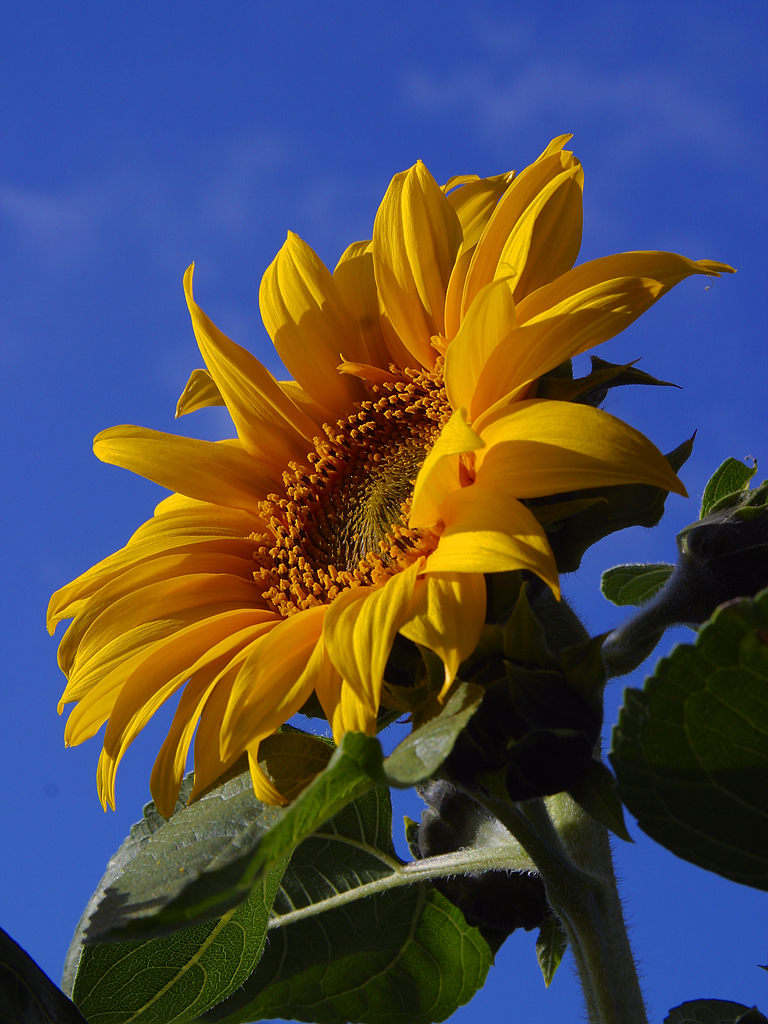 Common sunflowerHelianthus annuus
A tall annual plant grown for its large yellow flower heads and edible seeds
🇨🇦 Canada and 4 more · Wildflower
Common sunflowerHelianthus annuus
A tall annual plant grown for its large yellow flower heads and edible seeds
🇨🇦 Canada and 4 more · Wildflower
 Chrysanthemum菊花
Autumn-blooming flower with thousands of varieties, cherished in East Asia and beyond
🇨🇳 China and 6 more · Wildflower
Chrysanthemum菊花
Autumn-blooming flower with thousands of varieties, cherished in East Asia and beyond
🇨🇳 China and 6 more · Wildflower
 Asteraceae
The vast family of daisies, asters, and sunflowers with star-like flower heads
Asteraceae · Wildflower
Asteraceae
The vast family of daisies, asters, and sunflowers with star-like flower heads
Asteraceae · Wildflower
 DandelionTaraxacum
A yellow-flowered perennial found in fields, lawns, and gardens worldwide
Taraxacum · Wildflower
DandelionTaraxacum
A yellow-flowered perennial found in fields, lawns, and gardens worldwide
Taraxacum · Wildflower