
Bogotá Botanical Garden
Colombia’s largest botanical garden, focused on Andean and Páramo plants
Bogotá Botanical Garden is the largest in Colombia, located in the capital city. It features plants from all Colombian regions and altitudes, with a special focus on Andean and Páramo ecosystems. Visitors find themed gardens, greenhouses, and collections of orchids, palms, and native trees, as well as research and education programs.
- Home to over 19,000 live plants and 2,346 cultivated taxa
- Specializes in Andean and Páramo ecosystem plants
- Hosts Colombia’s largest orchid collection
- Features themed greenhouses and an artificial waterfall
- Named after botanist José Celestino Mutis
What is Bogotá Botanical Garden?
The Bogotá Botanical Garden covers 19.5 acres in the city and is known for its wide range of Colombian plants. Visitors can explore themed gardens, including greenhouses set to different climates, a palmetum with palm species, an orchid collection, and displays of Amazonian and Andean flora. The grounds include an artificial waterfall, a sun clock, and educational spaces like a library and labs. Plants are grouped by their native ecosystems, from high-altitude Páramo to rainforest.
The history of Bogotá Botanical Garden
Founded in 1955, the garden was named for José Celestino Mutis, a Spanish botanist who led a major botanical expedition in the region during the 18th century. The idea for the garden began in 1937 but was delayed by unrest. It was finally established after the city council provided land. The garden honors Colombia’s botanical heritage and Mutis’s contributions to science in the Americas.
What there is to see
The garden’s collections are organized by ecosystem, with greenhouses simulating climates from dry Guajira to humid Amazon. Special collections focus on Andean plants at risk of extinction, including families like Araceae, Bromeliaceae, Cactaceae, Lamiaceae, and Orchidaceae. There are also sections for medicinal plants, aquatic plants, and cacti. The arboretum features native and exotic trees.


When to go
The garden is open to the public for recreation, education, and research. It runs workshops on biotechnology and conservation, and offers programs for children to learn about biodiversity. It also hosts events, such as the SonEra Solar music festival. The garden is a place for both relaxation and learning about Colombia’s plant diversity.
Parts and collections
The garden’s orchid collection includes over 5,000 species, and themed areas highlight different plant groups and ecosystems. The symbolic plant is Mutisia clematis, native to South America. Colombia’s national flower, the orchid, and the wax tree, the national plant, are also featured. Collections are updated to support conservation and research.
Why Bogotá Botanical Garden matters
The garden is a symbol of Colombia’s natural diversity and scientific heritage. It is recognized for its conservation work, especially with Andean species. The symbolic plant, Mutisia clematis, honors José Celestino Mutis. The garden is a member of Botanic Gardens Conservation International and is known nationwide for its educational and environmental programs.
The flowers of Bogotá Botanical Garden
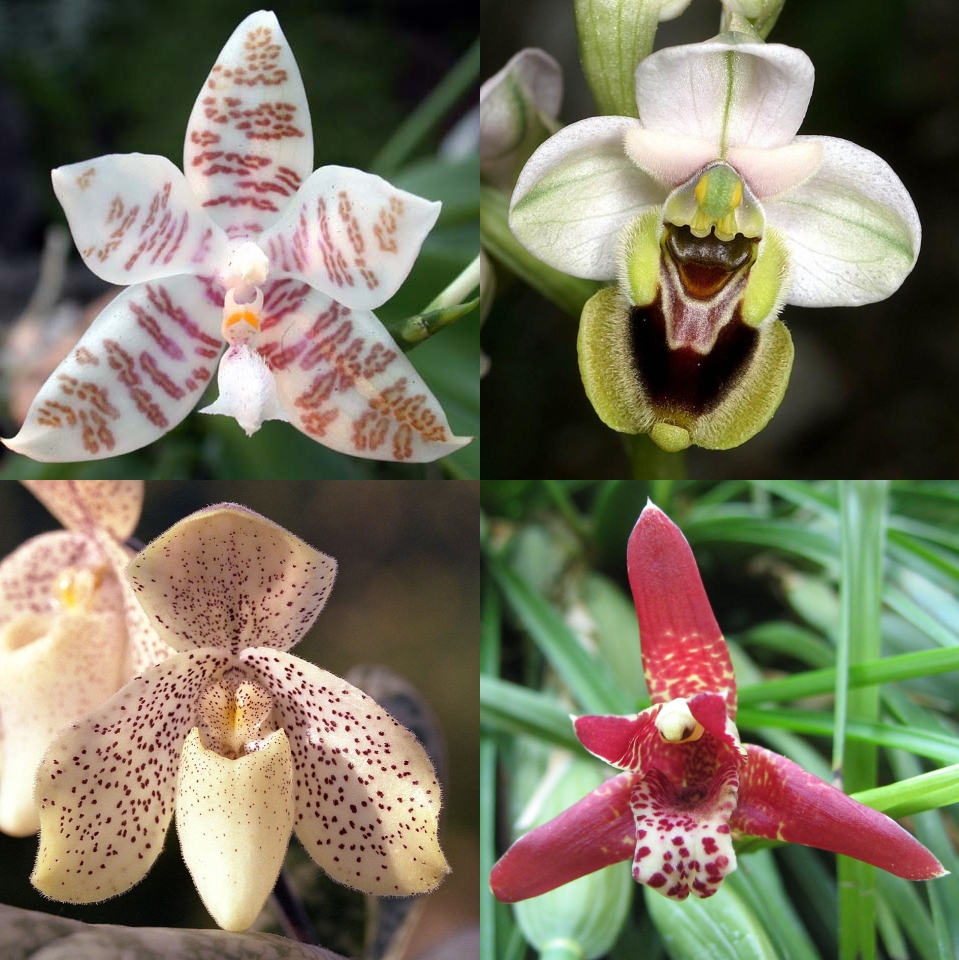

Questions people ask about Bogotá Botanical Garden
Where is the Bogotá Botanical Garden located?
The garden is in Bogotá, Colombia’s capital city. It covers 19.5 acres and is easily accessible within the city.
What is special about the plants in this garden?
The garden focuses on plants from all Colombian regions and altitudes, especially Andean and Páramo species. It also has a large orchid collection and displays of Amazonian flora.
Who was José Celestino Mutis?
José Celestino Mutis was a Spanish botanist and astronomer who led a major botanical expedition in New Granada (now Colombia) in the 18th century. The garden is named in his honor.
What can visitors see and do at the garden?
Visitors can explore themed gardens, greenhouses, and collections of native plants. There are educational programs, a library, and special events like music festivals.
Does the garden work on conservation?
Yes, the garden runs research and conservation programs, especially for endangered Andean plants, and collaborates with universities and international organizations.
Good reading and sources
- Bogotá Botanical Garden on WikipediaEncyclopedia
- More photos on Wikimedia CommonsPhotos
- Wikidata recordOpen data
The facts on this page come from the Wikipedia article "Bogotá Botanical Garden", written by its contributors and used under the CC BY-SA 4.0 licence, and from its Wikidata record (CC0). Phool rewrote the text in its own words, with AI assistance, and compares every page with the article to make sure no passage is copied. It may be reused under the same CC BY-SA 4.0 licence with a link back.
It may contain mistakes. Opening times, prices and bloom dates change: check with the place before you travel. If something is wrong, tell us. Last refreshed 2026-10-03.
More of the same kind
 Place
Tropical Botanical Garden and Research Institute
A major botanical garden and research centre in Thiruvananthapuram, Kerala
Thiruvananthapuram, 🇮🇳 India · Botanical garden
Place
Tropical Botanical Garden and Research Institute
A major botanical garden and research centre in Thiruvananthapuram, Kerala
Thiruvananthapuram, 🇮🇳 India · Botanical garden
 Place
Baldha Gardenবলধা গার্ডেন
A historic botanical garden in Old Dhaka with hundreds of plant species
Dhaka, 🇧🇩 Bangladesh · Botanical garden
Place
Baldha Gardenবলধা গার্ডেন
A historic botanical garden in Old Dhaka with hundreds of plant species
Dhaka, 🇧🇩 Bangladesh · Botanical garden
 Place
Hakone Botanical Garden of Wetlands箱根湿生花園
A garden of wetland and alpine plants in Hakone, Japan
Hakone, 🇯🇵 Japan · Botanical garden
Place
Hakone Botanical Garden of Wetlands箱根湿生花園
A garden of wetland and alpine plants in Hakone, Japan
Hakone, 🇯🇵 Japan · Botanical garden
 Place
Sim's Park, Coonoor
A century-old botanical garden in the Nilgiri hills of Tamil Nadu
Coonoor, 🇮🇳 India · Botanical garden, May
Place
Sim's Park, Coonoor
A century-old botanical garden in the Nilgiri hills of Tamil Nadu
Coonoor, 🇮🇳 India · Botanical garden, May
More from Colombia
All the flowers of Colombia Place
Botanical Garden of MedellínJardín Botánico de Medellín Joaquín Antonio Uribe
A large public garden in Medellín with orchids, birds, and modern architecture
Medellín, 🇨🇴 Colombia · Botanical garden
Place
Botanical Garden of MedellínJardín Botánico de Medellín Joaquín Antonio Uribe
A large public garden in Medellín with orchids, birds, and modern architecture
Medellín, 🇨🇴 Colombia · Botanical garden
 Place
Guillermo Piñeres Botanical Garden
A botanical garden and dry forest reserve near Cartagena, Colombia
Cartagena, 🇨🇴 Colombia · Botanical garden
Place
Guillermo Piñeres Botanical Garden
A botanical garden and dry forest reserve near Cartagena, Colombia
Cartagena, 🇨🇴 Colombia · Botanical garden
 BromeliadsBromeliaceae
A family of tropical flowering plants from the Americas, including the pineapple
🇨🇱 Chile and 7 more · Wildflower
BromeliadsBromeliaceae
A family of tropical flowering plants from the Americas, including the pineapple
🇨🇱 Chile and 7 more · Wildflower
 Decoration
Cut flowers
Fresh flowers and buds trimmed for decoration and display
🇳🇱 Netherlands and 6 more · Arrangement
Decoration
Cut flowers
Fresh flowers and buds trimmed for decoration and display
🇳🇱 Netherlands and 6 more · Arrangement