
Poinsettia
Euphorbia pulcherrima, family Euphorbiaceae
The red-bracted shrub of Christmas displays, native to Mexico and Central America
Poinsettia is a shrub or small tree from Mexico and Central America, famous for its bright red and green foliage. Its colored bracts, often mistaken for petals, surround small yellow flowers and are widely used in Christmas decorations, especially in North America.
- Native to Mexico and Central America, especially Pacific-facing slopes
- Red bracts are leaves, not petals, and surround small yellow flowers
- Over 70 million poinsettias are sold in the US each Christmas season
- Aztecs used poinsettia for red dye and as medicine
- December 12 is National Poinsettia Day in the US
What does Poinsettia look like?
Poinsettia is a shrub or small tree that grows from 0.6 to 4 meters tall. Its most striking feature is its colored bracts—modified leaves—that are usually bright red but can also be orange, cream, pink, white, pale green, or marbled. These bracts surround small, yellow, cup-shaped true flowers called cyathia at the center. The plant has dark green, toothed leaves and is semi-evergreen, often losing most leaves in winter. The bracts change color in response to long nights and bright days.
Where does Poinsettia come from?
Poinsettia is native to mid-elevation tropical dry forests from Mexico to southern Guatemala, with wild populations mostly on Pacific-facing slopes. The plant was first described scientifically in 1834 from specimens collected in Mexico. The Aztecs cultivated it for dye and medicine. Joel Roberts Poinsett, the first US minister to Mexico, introduced it to the United States in the 1820s, leading to its common English name. In Mexico, it is called cuetlaxōchitl in Nahuatl and flor de nochebuena in Spanish.
When and how Poinsettia blooms
Poinsettias bloom in winter, with bracts changing color after 6–8 weeks of long nights and bright days. They are grown from cuttings or seeds, often in greenhouses for the holiday market. To encourage bushier plants with more flowers, growers use a technique involving phytoplasma infection to produce extra buds. Over 100 cultivated varieties exist, ranging in bract color and plant form.


How Poinsettia is used
Poinsettias are most popular as Christmas decorations in homes, churches, and offices, especially in North America and Mexico. In Mexico, they are part of Christmas celebrations, and in Spain, they are associated with Easter. The Aztecs used the plant for red dye and as a traditional medicine. December 12 is National Poinsettia Day in the US, marking Poinsett's death.
Kinds of Poinsettia
There are over 100 cultivated varieties of poinsettia, with bracts in colors such as red, pink, white, cream, orange, and marbled patterns. Wild populations are fragmented and mostly found in Mexico and Guatemala. In Turkey, the plant is called Atatürk çiçeği. The 'Ecke' family in California developed fuller, bushier varieties that dominate the market.
What Poinsettia means
Poinsettia is a symbol of Christmas, with its star-shaped bracts said to represent the Star of Bethlehem. In Christian tradition, red bracts symbolize the blood of Jesus, while white bracts stand for purity. The plant is not as toxic as once believed, though it may cause mild irritation. Its Nahuatl name, cuetlaxōchitl, means 'mortal flower'.
Where Poinsettia is used and seen

Where to see Poinsettia
 🇸🇬 Singapore · All yearGardens by the BayA waterfront park of giant planted towers and two cooled glasshouses with changing flower shows.
 🇲🇽 Mexico City · All yearThe plant markets and flower farms of XochimilcoThe canal district in the south of Mexico City whose name means place of the flower fields, and which still grows them.
Questions people ask about Poinsettia
Where does the poinsettia come from?
Poinsettia is native to Mexico and southern Guatemala, growing wild on mid-elevation, Pacific-facing slopes. It was first cultivated by the Aztecs and later introduced to the United States in the 1820s.
Why is the poinsettia associated with Christmas?
Poinsettia's red and green foliage became linked to Christmas through Franciscan friars in Mexico, who used it in holiday celebrations. Its star-shaped bracts are said to symbolize the Star of Bethlehem.
Are poinsettias poisonous?
Poinsettias are not highly toxic. Most exposures cause no effect, though eating the plant may lead to mild nausea or vomiting. Skin contact can cause irritation in some people.
What colors do poinsettias come in?
While red is the most common, cultivated poinsettias can also have bracts in orange, pink, white, cream, pale green, maroon, or marbled combinations.
How are poinsettias used traditionally?
The Aztecs used poinsettia for making red dye and as an antipyretic medicine. Today, it is mainly used for Christmas decorations and is a symbol of the holiday season in many countries.
Good reading and sources
- Encyclopaedia BritannicaArticle
- The bloom is off the poinsettiaLos Angeles Times, Article
- How America's Most Popular Potted Plant Captured ChristmasSmithsonian Magazine, Article
- Plants of the World OnlineRoyal Botanic Gardens, Kew, Plant database
- Where it has been recordedGBIF, Plant database
- Sightings and photos by naturalistsiNaturalist, Plant database
The facts on this page come from the Wikipedia article "Poinsettia", written by its contributors and used under the CC BY-SA 4.0 licence, and from its Wikidata record (CC0). Phool rewrote the text in its own words, with AI assistance, and compares every page with the article to make sure no passage is copied. It may be reused under the same CC BY-SA 4.0 licence with a link back.
It may contain mistakes. It is not medical or foraging advice: many flowers are poisonous, and traditional uses are reported, not recommended. If something is wrong, tell us. Last refreshed 2026-10-03.

More from Mexico
All the flowers of Mexico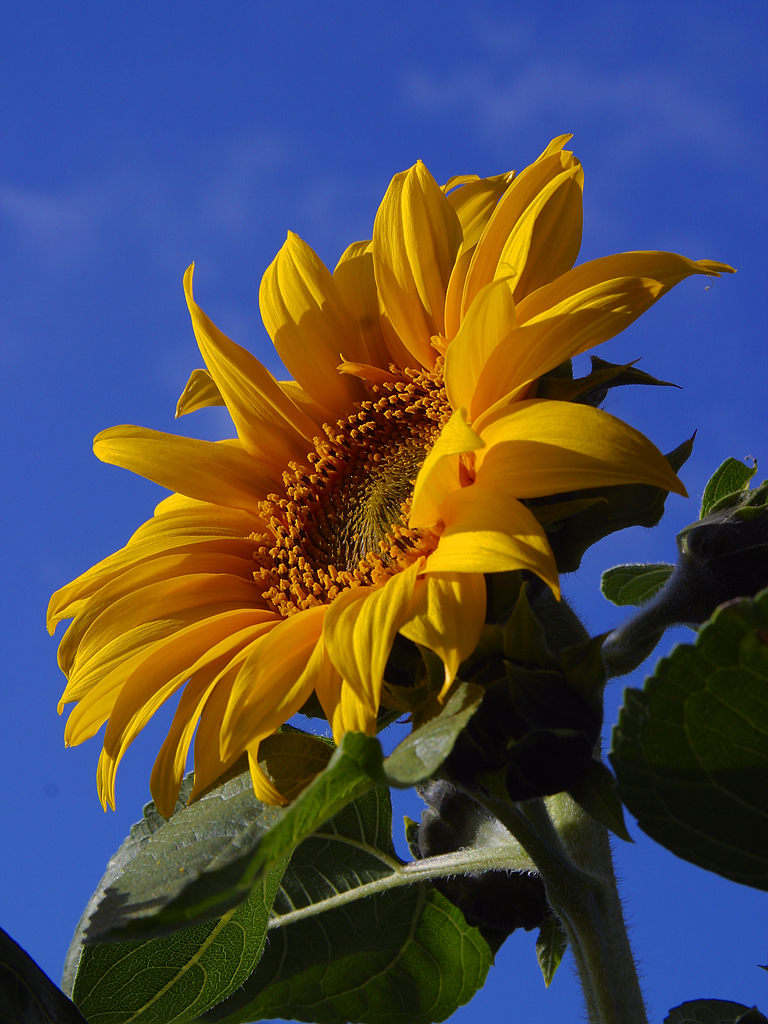 Common sunflowerHelianthus annuus
A tall annual plant grown for its large yellow flower heads and edible seeds
🇨🇦 Canada and 4 more · Wildflower
Common sunflowerHelianthus annuus
A tall annual plant grown for its large yellow flower heads and edible seeds
🇨🇦 Canada and 4 more · Wildflower
 CactusCactaceae
Succulent plants with spines, native to the Americas
🇲🇽 Mexico and 7 more · Wildflower
CactusCactaceae
Succulent plants with spines, native to the Americas
🇲🇽 Mexico and 7 more · Wildflower
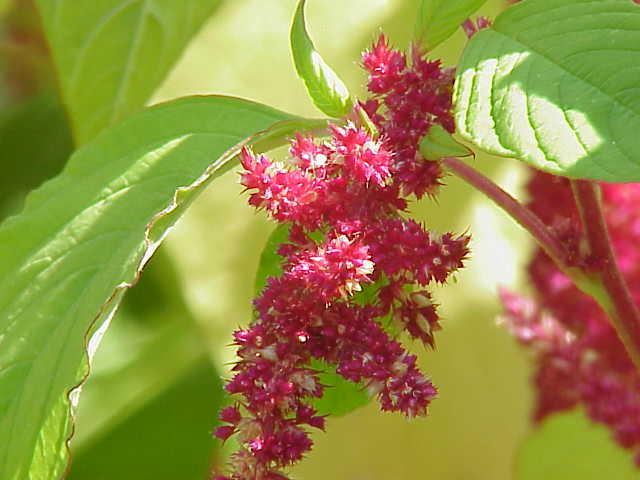 AmaranthAmaranthus
A tall, colourful plant grown for its flowers, leaves and edible seeds
🇲🇽 Mexico and 7 more · Wildflower
AmaranthAmaranthus
A tall, colourful plant grown for its flowers, leaves and edible seeds
🇲🇽 Mexico and 7 more · Wildflower
 HawthornCrataegus
A thorny shrub or tree with white or pink spring flowers and small edible fruits
🇮🇪 Ireland and 7 more · Wildflower
HawthornCrataegus
A thorny shrub or tree with white or pink spring flowers and small edible fruits
🇮🇪 Ireland and 7 more · Wildflower