
Hanging basket
A suspended container for growing and displaying flowering plants
A hanging basket is a container hung in the air to grow and show off plants, often flowers. Used in gardens, on buildings, and in public spaces, these baskets come in various materials and sizes, and are chosen for their decorative value and ability to add greenery where ground space is limited.
- Hanging baskets can be made from plastic, wire, moss, or coco fiber
- Commonly used plants include petunia, begonia, and impatiens
- Baskets are often seen on lampposts and building exteriors
- Require frequent watering compared to ground plantings
- Inspired by the ancient hanging gardens of Babylon
What is Hanging basket?
A hanging basket is a container, usually round and open at the top, designed to be suspended from a hook or bracket. It can be made from plastic, wire with a liner, moss, or coco fiber, and ranges in size from about 12 to 20 inches in diameter. The basket holds soil and a mix of flowering or trailing plants, which spill over the sides as they grow. Hanging baskets are often seen on porches, balconies, lampposts, and city streets, adding color and greenery above ground level.
Where does Hanging basket come from?
The idea of growing plants in suspended containers dates back to ancient times, with the hanging gardens of Babylon often cited as an early example. Modern hanging baskets became popular as ornamental features in public and private spaces, especially in urban areas where ground space is limited. Their use has spread globally, with many communities adopting them to enhance the look of streets and buildings. The materials and styles have evolved, but the core concept remains the same: to display plants in the air for visual effect.
How Hanging basket is made
To assemble a hanging basket, a suitable container is chosen—plastic for cost and water retention, or wire with a liner for a natural look. The basket is filled with a soil mix that drains well and supports plant health. Plants are placed on the top and sometimes through the sides if the liner allows, creating a full, rounded display. The basket is then hung from a sturdy support, such as a hook or lamppost. Regular watering and fertilizing are needed to keep the plants healthy, as the soil dries out quickly.

When and where Hanging basket is used
Hanging baskets are most often used in spring and summer, when flowering plants are at their best. They decorate homes, gardens, and public spaces, and are a common feature in community beautification projects. In commercial greenhouses, baskets are prepared for sale or display after the last frost. Cities may hang them from lampposts or buildings to brighten streets during festivals or summer months. Their use is sometimes limited by water restrictions or safety concerns about falling baskets.
Forms of Hanging basket
Hanging baskets vary in size, material, and planting style. Some use only one type of plant for a uniform look, while others combine several species for color and texture. Popular choices include petunias, begonias, impatiens, and trailing plants like lobelia and calibrachoa. Baskets may be lined with moss, coco fiber, or plastic, and can be planted on the top only or also through the sides. Inverted planters, where the basket hangs upside down, are another variation.
What Hanging basket means
Hanging baskets are valued for their ability to add greenery and color to otherwise bare or hard-edged spaces. They are a symbol of community pride in many towns, especially where floral displays are part of local traditions or competitions. However, they have also faced criticism for their water use and potential safety risks if not properly secured. Their popularity continues, particularly in the United States and other countries with a tradition of ornamental gardening.
The flowers of Hanging basket
 PoinsettiaThe red-bracted shrub of Christmas displays, native to Mexico and Central America
 BegoniaA vast group of colourful, shade-loving flowering plants from warm climates
 LantanaA colourful shrub with clusters of small, changing flowers
 PetuniaA South American garden flower with trumpet-shaped blooms in many colours
 NemesiaA group of colourful bedding plants from South Africa
 Himalayan balsamTall Himalayan annual with pink helmet-shaped flowers and explosive seed pods
 Crown of thornsA spiny flowering shrub with red, pink, or white bracts, native to Madagascar
 Busy LizzieA shade-loving garden flower with bright, soft-petalled blooms
Questions people ask about Hanging basket
What is a hanging basket?
A hanging basket is a container suspended in the air, used to grow and display flowering or trailing plants. It is often hung on hooks, lampposts, or building exteriors to add decorative greenery above ground level.
Where did hanging baskets originate?
The concept of hanging baskets is linked to the ancient hanging gardens of Babylon. Modern versions have become popular in many countries, especially in urban areas, for ornamental gardening.
What kinds of plants are used in hanging baskets?
Popular choices for hanging baskets include petunia, begonia, impatiens, lobelia, calibrachoa, verbena, and trailing plants. The selection depends on the desired look and the growing conditions.
How are hanging baskets maintained?
Hanging baskets need regular watering, as their soil dries out faster than ground beds. Fertilizing, deadheading, and occasional pinching of plants help keep them healthy and attractive through the growing season.
What are the main uses of hanging baskets?
Hanging baskets are used to decorate homes, gardens, and public spaces, especially during spring and summer. They are also featured in community beautification projects and festivals.
Good reading and sources
- Hanging basket on WikipediaEncyclopedia
- More photos on Wikimedia CommonsPhotos
- Wikidata recordOpen data
The facts on this page come from the Wikipedia article "Hanging basket", written by its contributors and used under the CC BY-SA 4.0 licence, and from its Wikidata record (CC0). Phool rewrote the text in its own words, with AI assistance, and compares every page with the article to make sure no passage is copied. It may be reused under the same CC BY-SA 4.0 licence with a link back.
It may contain mistakes. If something is wrong, tell us. Last refreshed 2026-10-03.
More of the same kind
 Decoration
Nageirebana抛入花
A free-form ikebana style using tall vases and no flower holders
Arrangement
Decoration
Nageirebana抛入花
A free-form ikebana style using tall vases and no flower holders
Arrangement
 Decoration
Tokonoma床の間
A Japanese alcove for displaying scrolls and flower arrangements
🇯🇵 Japan · Arrangement
Decoration
Tokonoma床の間
A Japanese alcove for displaying scrolls and flower arrangements
🇯🇵 Japan · Arrangement
 Decoration
Bouquet
A creative arrangement of flowers, given or displayed for many occasions
🇨🇳 China and 1 more · Arrangement
Decoration
Bouquet
A creative arrangement of flowers, given or displayed for many occasions
🇨🇳 China and 1 more · Arrangement
 Decoration
Sōgetsu草月流
A modern school of Japanese ikebana open to all materials and styles
🇯🇵 Japan · Arrangement
Decoration
Sōgetsu草月流
A modern school of Japanese ikebana open to all materials and styles
🇯🇵 Japan · Arrangement
More from the United States
All the flowers of the United States Decoration
Banmi Shofu-ryū晩美生風流
A modern school of Japanese Ikebana known for its use of driftwood
🇯🇵 Japan and 2 more · Arrangement
Decoration
Banmi Shofu-ryū晩美生風流
A modern school of Japanese Ikebana known for its use of driftwood
🇯🇵 Japan and 2 more · Arrangement
 Decoration
May devotions to the Blessed Virgin Mary
Month-long Catholic customs honouring Mary with flowers, altars, and processions
🇮🇹 Italy and 7 more · Custom, May
Decoration
May devotions to the Blessed Virgin Mary
Month-long Catholic customs honouring Mary with flowers, altars, and processions
🇮🇹 Italy and 7 more · Custom, May
 Decoration
Saga Goryū嵯峨御流
A Japanese school of ikebana rooted in Buddhist tradition
🇯🇵 Japan and 1 more · Arrangement
Decoration
Saga Goryū嵯峨御流
A Japanese school of ikebana rooted in Buddhist tradition
🇯🇵 Japan and 1 more · Arrangement
 Decoration
Hanami花見
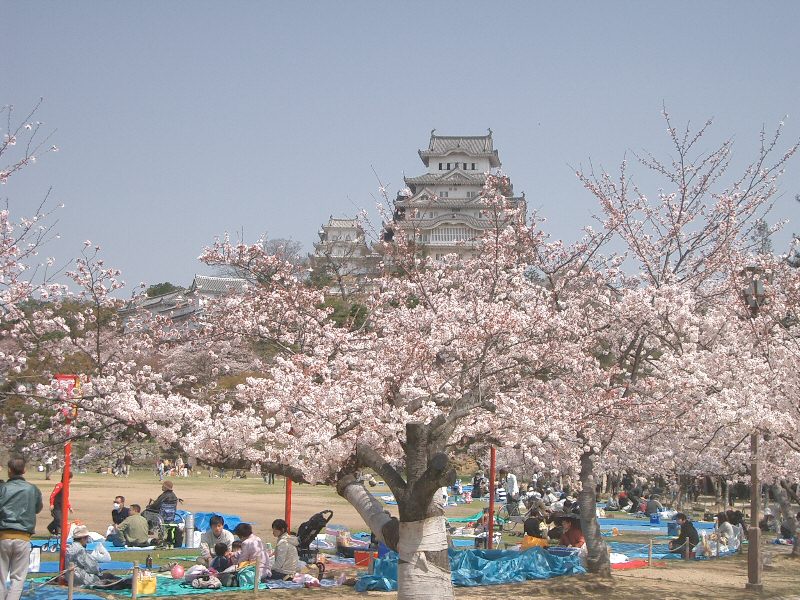
The Japanese tradition of gathering to enjoy cherry blossoms in spring
🇯🇵 Japan and 7 more · Custom, Jan to May
Decoration
Hanami花見
The Japanese tradition of gathering to enjoy cherry blossoms in spring
🇯🇵 Japan and 7 more · Custom, Jan to May