
Saga Goryū
In its own language: 嵯峨御流
A Japanese school of ikebana rooted in Buddhist tradition
Saga Goryū is a school of ikebana, the Japanese art of flower arrangement, based at Daikaku-ji temple in Kyoto. Founded in 1931, it draws on Buddhist philosophy and uses both classical and modern styles, with branches in Japan and abroad.
- Founded at Daikaku-ji temple in Kyoto in 1931
- Emphasizes Buddhist philosophy in flower arrangement
- Uses shippo holders instead of spiked kenzan
- Has branches in Japan and North America
- Includes both traditional and modern ikebana styles
What is Saga Goryū?
Saga Goryū is a style of ikebana, the Japanese art of arranging flowers, with its headquarters at Daikaku-ji, a Buddhist temple in Kyoto. Arrangements from this school can be formal or free, using a variety of flowers and branches. The school emphasizes harmony with nature and Buddhist teachings, and its works are often displayed in homes, temples, and at ceremonies. Arrangements may be upright or spread out, sometimes using minimal materials to express simplicity.
Where does Saga Goryū come from?
Saga Goryū traces its origins to the Heian period, when Emperor Saga arranged chrysanthemums from his garden at Ōsawa Pond in Kyoto for court presentation. The pond and its gardens were designed to reflect Chinese influences and Buddhist ideas. The modern school was established at Daikaku-ji temple in 1931 by Tsujii Kōshū, who developed the style and published books on the subject. The school remains closely linked to the temple and Buddhist tradition.
How Saga Goryū is made
Arrangements in Saga Goryū are created by cutting stems in water, a practice called mizu-kire, to help them last longer. Instead of spiked holders, the school uses circular metal devices called shippo, which have holes to hold stems gently in place. There are both traditional and modern styles, and arrangements can be made for formal ceremonies, tea gatherings, or personal expression, often using seasonal flowers and branches.


When and where Saga Goryū is used
Saga Goryū arrangements are used in Buddhist temple ceremonies, tea gatherings, and as decorations in homes. The school has a strong presence in Japan, with over 100 branches, and also teaches and exhibits abroad, especially in the United States. Its teachers have demonstrated ikebana internationally, helping to spread Japanese culture and Buddhist values through flower arrangement.
Forms of Saga Goryū
The school includes several styles: shōgonka (formal and festive), seika (classical, focusing on harmony), heika and moribana (freer, natural styles), and the modern shinshōka, which uses minimal materials. Each style reflects different aspects of Buddhist philosophy and Japanese aesthetics. The school adapts its methods for both traditional and contemporary settings.
What Saga Goryū means
Saga Goryū is deeply connected to Buddhist ritual and Japanese imperial history. Its arrangements are seen as expressions of harmony, respect, and the beauty of nature. The school has been recognized for its cultural contributions, and its leaders have received honors in Japan. Poetry and literature from the Heian period celebrate the gardens and flowers that inspired the school.
Questions people ask about Saga Goryū
Where did Saga Goryū originate?
Saga Goryū began at Daikaku-ji temple in Kyoto, Japan, and traces its roots to Emperor Saga's court in the early 9th century. The modern school was formally established in 1931.
What makes Saga Goryū different from other ikebana schools?
Saga Goryū is closely linked to Buddhist tradition and Daikaku-ji temple. It uses shippo holders instead of spiked kenzan and emphasizes both formal and free styles, often focusing on simplicity and harmony.
What flowers or materials are used in Saga Goryū arrangements?
Arrangements can use a variety of seasonal flowers and branches. The school does not specify fixed materials, but emphasizes gentle handling and harmony with nature.
How is Saga Goryū practiced outside Japan?
Saga Goryū has branches in the United States, especially in Portland, Oregon, where it has been taught and exhibited since the 1940s. Teachers have demonstrated the style internationally.
What does Saga Goryū symbolize?
Saga Goryū arrangements express Buddhist values such as harmony, respect, and the beauty of nature, reflecting both religious and aesthetic traditions.
Good reading and sources
The facts on this page come from the Wikipedia article "Saga Go-ryū", written by its contributors and used under the CC BY-SA 4.0 licence, and from its Wikidata record (CC0). Phool rewrote the text in its own words, with AI assistance, and compares every page with the article to make sure no passage is copied. It may be reused under the same CC BY-SA 4.0 licence with a link back.
It may contain mistakes. If something is wrong, tell us. Last refreshed 2026-10-03.
More of the same kind
 Decoration
Bouquet
A creative arrangement of flowers, given or displayed for many occasions
🇨🇳 China and 1 more · Arrangement
Decoration
Bouquet
A creative arrangement of flowers, given or displayed for many occasions
🇨🇳 China and 1 more · Arrangement
 Decoration
Vase
An open container for holding and displaying cut flowers
Arrangement
Decoration
Vase
An open container for holding and displaying cut flowers
Arrangement
 Decoration
Floriculture
The science and business of growing flowers and ornamental plants
Arrangement
Decoration
Floriculture
The science and business of growing flowers and ornamental plants
Arrangement
 Decoration
Nageirebana抛入花
A free-form ikebana style using tall vases and no flower holders
Arrangement
Decoration
Nageirebana抛入花
A free-form ikebana style using tall vases and no flower holders
Arrangement
More from Japan
All the flowers of Japan Decoration
Bonsai盆栽
The Japanese art of shaping miniature trees in shallow pots
🇯🇵 Japan and 7 more · Art or design
Decoration
Bonsai盆栽
The Japanese art of shaping miniature trees in shallow pots
🇯🇵 Japan and 7 more · Art or design
 Decoration
Tokonoma床の間
A Japanese alcove for displaying scrolls and flower arrangements
🇯🇵 Japan · Arrangement
Decoration
Tokonoma床の間
A Japanese alcove for displaying scrolls and flower arrangements
🇯🇵 Japan · Arrangement
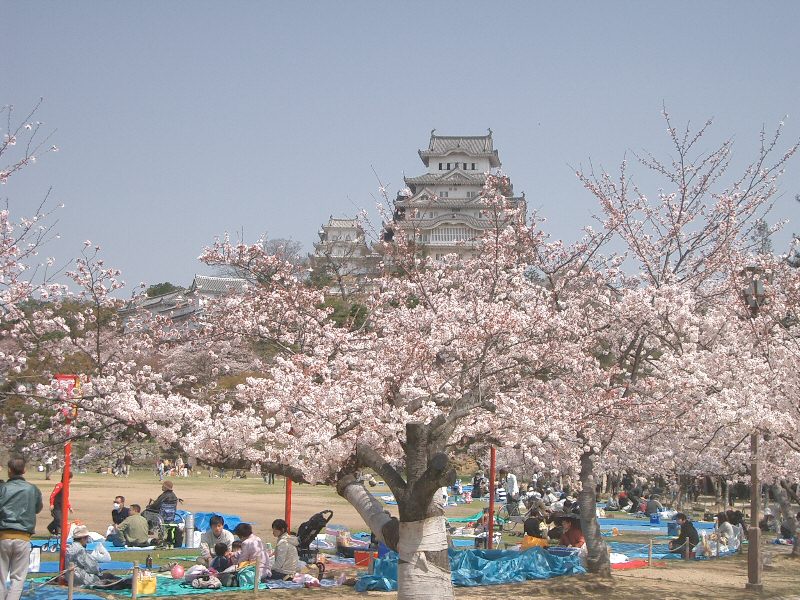 Decoration
Hanami花見
The Japanese tradition of gathering to enjoy cherry blossoms in spring
🇯🇵 Japan and 7 more · Custom, Jan to May
Decoration
Hanami花見
The Japanese tradition of gathering to enjoy cherry blossoms in spring
🇯🇵 Japan and 7 more · Custom, Jan to May
 Decoration
Sōgetsu草月流
A modern school of Japanese ikebana open to all materials and styles
🇯🇵 Japan · Arrangement
Decoration
Sōgetsu草月流
A modern school of Japanese ikebana open to all materials and styles
🇯🇵 Japan · Arrangement