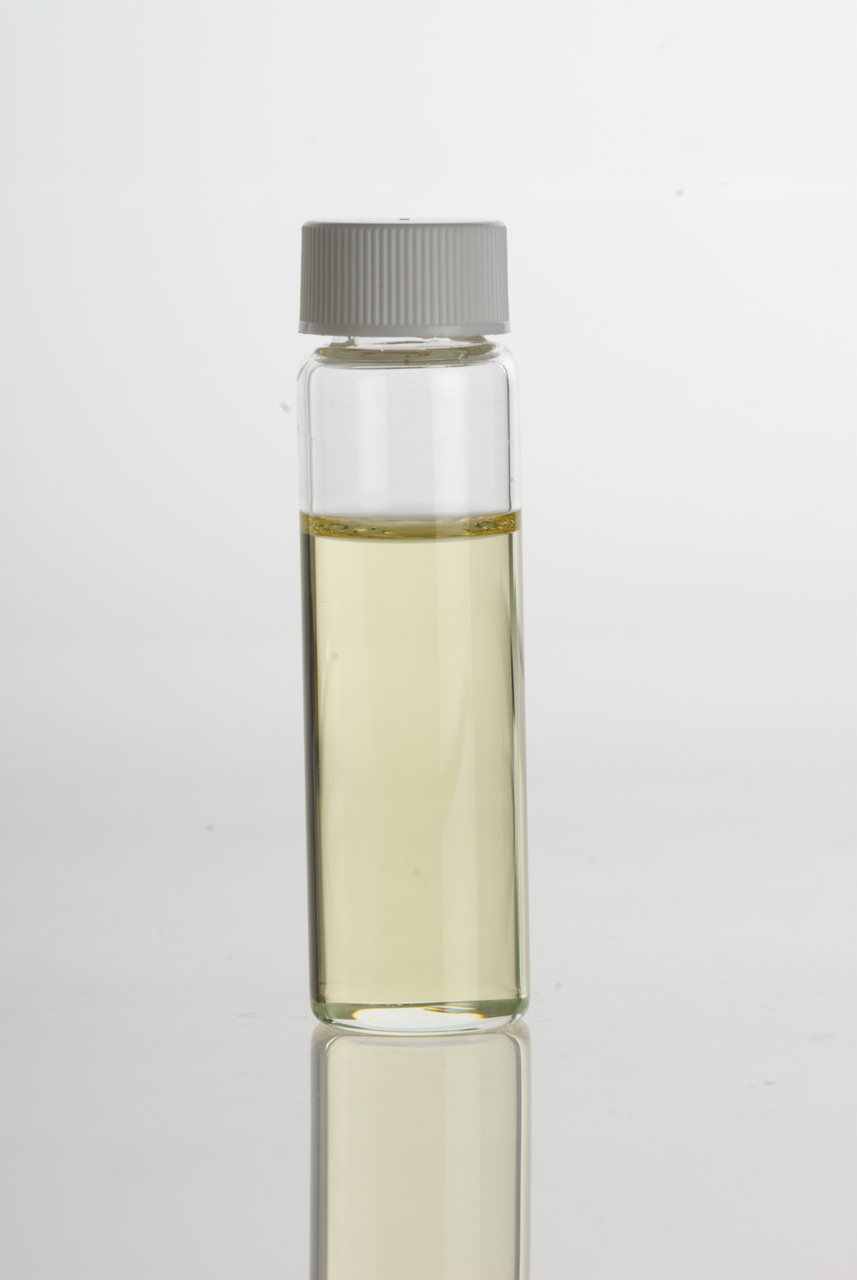
rose oil
Essential oil distilled from rose petals, prized in perfume and tradition
Rose oil is an essential oil made from the petals of roses, mainly Rosa damascena and Rosa centifolia. It is produced by steam distillation or solvent extraction, with Bulgaria, Turkey, and Saudi Arabia as leading producers. The oil is valued for its strong fragrance and is widely used in perfumery.
- It takes about 3,000 kg of petals to make 1 kg of rose oil
- Bulgaria, Turkey, and Saudi Arabia produce over 70% of the world's rose oil
- Rose oil is a key ingredient in high-end perfumes
- Kannauj in India is called 'The Grasse of the East' for its rose attar industry
What is rose oil?
Rose oil is a concentrated essential oil extracted from rose petals, mainly from Rosa damascena and Rosa centifolia. The oil is usually clear to light yellow, sometimes with a greenish tinge, and can form white crystals at room temperature. It has a strong, rich, and complex aroma that is highly valued in perfume. The oil is mobile at room temperature but becomes more viscous or even solidifies at lower temperatures. Rose absolute, a related product, is deep reddish brown and more closely matches the scent of fresh roses.
Where does rose oil come from?
The technique for producing rose oil began in ancient Iran, where the process of distilling rose petals was invented. Rosa × damascena, the main rose used, is a cultivated hybrid believed to have originated in central Asia or Iran. Today, Bulgaria, Turkey, and Saudi Arabia are the leading producers, with Bulgaria's Rose Valley near Kazanlak being especially famous. Other regions, such as Grasse in France and Kannauj in India, also have long traditions of rose oil and fragrance production.
How rose oil is made
Rose oil is produced through several methods. For rose otto, fresh rose petals are hand-picked before sunrise and distilled with water in copper stills. The process involves two stages of distillation to capture both the oil and water-soluble aromatic compounds. Solvent extraction uses chemicals like hexane to obtain rose absolute, which is then purified with alcohol. Supercritical CO2 extraction is another method that preserves more of the original aroma. The yield is very low: thousands of petals are needed for a small amount of oil.


When and where rose oil is used
Rose oil is most widely used in perfumery, where it is prized for its deep and lasting fragrance. It is also used in traditional ceremonies, festivals, and sometimes as an emblem of regions or cities. In India, Iran, and the Middle East, rose oil and its by-product, rosewater, are used in rituals and as flavorings. Because of its potency, pure rose oil is not applied directly to the skin and is often diluted.
Forms of rose oil
The main roses used for oil are Rosa damascena, grown chiefly in Bulgaria, Turkey, and Saudi Arabia, and Rosa centifolia, more common in Morocco, Egypt, and France. Bulgarian rose oil is known for its unique balance of over 280 components, giving it a distinct aroma and consistency. Rose absolute, made from Rosa centifolia, differs in color and scent profile from rose otto.
What rose oil means
Rose oil holds a special place in the perfume industry and in the cultural heritage of producing regions. The Rose Valley in Bulgaria and cities like Kannauj in India are renowned for their rose oil traditions. The oil is associated with luxury and is often used in religious and festive contexts. Its high cost and labor-intensive production have made it a symbol of craftsmanship and tradition.
The flowers of rose oil

Traditions that use it
Questions people ask about rose oil
What is rose oil made from?
Rose oil is made by extracting the aromatic compounds from the petals of roses, mainly Rosa damascena and Rosa centifolia, using steam distillation or solvent extraction.
Where does rose oil come from?
The technique of making rose oil started in ancient Iran. Today, Bulgaria, Turkey, and Saudi Arabia are the main producers, with other regions like India and France also known for their rose oil.
How is rose oil used?
Rose oil is mostly used in perfumery for its strong and complex fragrance. It is also used in traditional ceremonies, festivals, and sometimes as a regional emblem. Rosewater, a by-product, is used in food and skincare.
Why is rose oil so expensive?
Rose oil is costly because it takes thousands of rose petals to produce a small amount of oil, and the harvesting and distillation processes are labor-intensive.
What does rose oil symbolize?
Rose oil is a symbol of luxury, tradition, and craftsmanship, especially in regions known for its production. It is also associated with celebration and ritual in many cultures.
Good reading and sources
The facts on this page come from the Wikipedia article "Rose oil", written by its contributors and used under the CC BY-SA 4.0 licence, and from its Wikidata record (CC0). Phool rewrote the text in its own words, with AI assistance, and compares every page with the article to make sure no passage is copied. It may be reused under the same CC BY-SA 4.0 licence with a link back.
It may contain mistakes. If something is wrong, tell us. Last refreshed 2026-10-03.
More of the same kind
 Decoration
Corn dolly
Straw figures shaped for harvest customs across Europe
🇮🇪 Ireland and 3 more · Flower craft
Decoration
Corn dolly
Straw figures shaped for harvest customs across Europe
🇮🇪 Ireland and 3 more · Flower craft
 Decoration
Paisleyبته
A curved teardrop motif from Iran and India, now used worldwide on textiles
🇮🇷 Iran and 8 more · Art or design
Decoration
Paisleyبته
A curved teardrop motif from Iran and India, now used worldwide on textiles
🇮🇷 Iran and 8 more · Art or design
 Decoration
Butaبوته
A curved floral motif found in Persian, Indian, and Central Asian art and textiles
🇮🇷 Iran and 5 more · Art or design
Decoration
Butaبوته
A curved floral motif found in Persian, Indian, and Central Asian art and textiles
🇮🇷 Iran and 5 more · Art or design
 Decoration
Vase
An open container for holding and displaying cut flowers
Arrangement
Decoration
Vase
An open container for holding and displaying cut flowers
Arrangement
More from Bulgaria
All the flowers of Bulgaria Decoration
Hıdırellez
Spring festival marking the meeting of Hızır and İlyas, celebrated on May 5–6
🇹🇷 Turkey and 8 more · Custom, May
Decoration
Hıdırellez
Spring festival marking the meeting of Hızır and İlyas, celebrated on May 5–6
🇹🇷 Turkey and 8 more · Custom, May
 Decoration
Martenitsaмартеница
Red and white yarn tokens worn to greet spring in Bulgaria and nearby countries
🇧🇬 Bulgaria and 5 more · Custom, March
Decoration
Martenitsaмартеница
Red and white yarn tokens worn to greet spring in Bulgaria and nearby countries
🇧🇬 Bulgaria and 5 more · Custom, March
 Decoration
Kupala NightКупа́лле / Иван Купала / Івана Купала / Noc Kupały
Slavic midsummer festival with flower garlands, bonfires, and water rituals
🇧🇾 Belarus and 5 more · Custom, Jun to Jul
Decoration
Kupala NightКупа́лле / Иван Купала / Івана Купала / Noc Kupały
Slavic midsummer festival with flower garlands, bonfires, and water rituals
🇧🇾 Belarus and 5 more · Custom, Jun to Jul
 BlackthornPrunus spinosa
A spiny shrub with white spring flowers and tart blue-black fruit
🇬🇧 United Kingdom and 7 more · Wildflower
BlackthornPrunus spinosa
A spiny shrub with white spring flowers and tart blue-black fruit
🇬🇧 United Kingdom and 7 more · Wildflower