
Kupala Night
In its own language: Купа́лле / Иван Купала / Івана Купала / Noc Kupały
Slavic midsummer festival with flower garlands, bonfires, and water rituals
Kupala Night is a midsummer folk festival in Slavic countries, marked by rituals with flowers, water, and fire. People gather herbs and flowers to make garlands, decorate homes, and float wreaths on rivers, while celebrating with bonfires, songs, and dances.
- Garlands and wreaths of wildflowers are central to the rituals
- Bonfires are lit and people jump over them for luck and health
- Wreaths are floated on rivers for fortune-telling
- The festival is tied to the summer solstice and St. John the Baptist
- Bathing in rivers or lakes is a key ritual
What is Kupala Night?
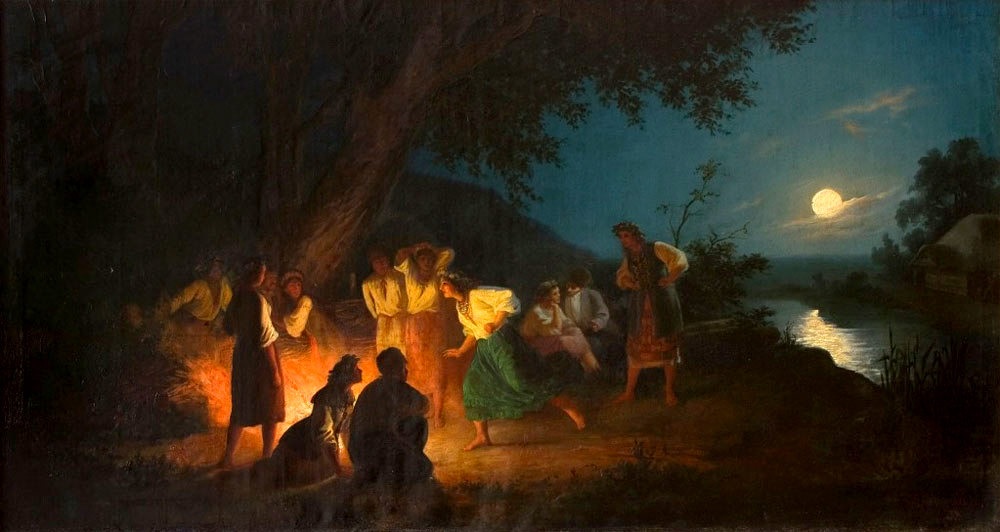
Kupala Night is a folk festival celebrated in Slavic countries around the summer solstice. People gather outdoors, often near rivers or lakes, and take part in rituals that use flowers, herbs, and water. Garlands and wreaths are made from wildflowers and worn or floated on water. Bonfires are lit, and people sing, dance, and jump over the flames. The festival is lively, with both young men and women taking part in these customs, which fill the night with music, laughter, and the scent of fresh plants.
Where does Kupala Night come from?
Kupala Night has roots in ancient Slavic traditions and is linked to the summer solstice. Its name comes from a Proto-Slavic word meaning 'to bathe,' reflecting the importance of water in the rituals. The holiday later became associated with the Christian feast of St. John the Baptist, and its date shifted in some places to match the church calendar. While some legends mention a deity named Kupala, modern researchers do not support the idea that such a deity was worshipped. The festival’s customs point to a blend of pre-Christian and Christian elements.
How Kupala Night is made
Preparations for Kupala Night begin with gathering herbs and wildflowers from fields and meadows. These are woven into garlands and wreaths, which are used to decorate people, animals, and homes. As evening approaches, bonfires are built—sometimes with a pole and wheel at the center. People light the fires, sing, and dance in circles. Garlands are set afloat on rivers for fortune-telling, and bathing in natural water is a key part of the celebration. The festival continues through the night with music and games.


When and where Kupala Night is used
Kupala Night is celebrated by communities across Belarus, Russia, Ukraine, and other Slavic countries. It takes place around the summer solstice, either in late June or early July, depending on the calendar used. The festival is a time for social gatherings, matchmaking, and public rituals. People use flowers and herbs to make garlands, which are worn or floated on water for divination. Bonfires are central, and jumping over them is believed to bring health and luck. The festival also includes singing, dancing, and sharing food.
Forms of Kupala Night
Kupala Night is known by different names and has local variations across Slavic regions. In Belarus, the holiday is called Kupalle and is considered to preserve the most traditional forms. In Poland, it is known as Noc Kupały or Sobótka, while in Bulgaria, it is called Enyovden. The date of celebration varies: late June in some countries, early July in others. Rituals may include unique local customs, such as burning old household items or specific foods prepared for the occasion.
What Kupala Night means
Kupala Night holds deep cultural meaning as a celebration of nature, fertility, and community. It marks the height of summer and is associated with purification, love, and fortune. The use of flowers and herbs reflects beliefs in their magical and healing properties. The festival blends ancient Slavic traditions with Christian elements, especially the feast of St. John the Baptist. Songs, dances, and public rituals reinforce social bonds and mark the passage of the seasons.
Days and festivals
Questions people ask about Kupala Night
Where is Kupala Night celebrated?
Kupala Night is celebrated in several Slavic countries, including Belarus, Russia, Ukraine, Poland, Slovakia, and Bulgaria. Each region has its own local customs and names for the festival.
What do people do with flowers on Kupala Night?
People gather wildflowers and herbs to make garlands and wreaths. These are worn, used to decorate homes and animals, or floated on rivers as part of fortune-telling rituals.
What is the meaning of Kupala Night?
Kupala Night marks the summer solstice and is associated with purification, love, and fortune. It blends ancient Slavic traditions with Christian elements, especially the feast of St. John the Baptist.
When is Kupala Night held?
The festival is held on 21–22 or 23–24 June in some countries, and on 6–7 July in others, depending on whether the Gregorian or Julian calendar is used.
Why do people jump over bonfires?
Jumping over bonfires during Kupala Night is believed to bring health, happiness, and protection from misfortune. It is also a test of courage and a way to purify oneself.
Good reading and sources
The facts on this page come from the Wikipedia article "Kupala Night", written by its contributors and used under the CC BY-SA 4.0 licence, and from its Wikidata record (CC0). Phool rewrote the text in its own words, with AI assistance, and compares every page with the article to make sure no passage is copied. It may be reused under the same CC BY-SA 4.0 licence with a link back.
It may contain mistakes. If something is wrong, tell us. Last refreshed 2026-10-03.
More of the same kind
 Decoration
Bonsai盆栽
The Japanese art of shaping miniature trees in shallow pots
🇯🇵 Japan and 7 more · Art or design
Decoration
Bonsai盆栽
The Japanese art of shaping miniature trees in shallow pots
🇯🇵 Japan and 7 more · Art or design
 Decoration
Tokonoma床の間
A Japanese alcove for displaying scrolls and flower arrangements
🇯🇵 Japan · Arrangement
Decoration
Tokonoma床の間
A Japanese alcove for displaying scrolls and flower arrangements
🇯🇵 Japan · Arrangement
 Decoration
Hanami花見
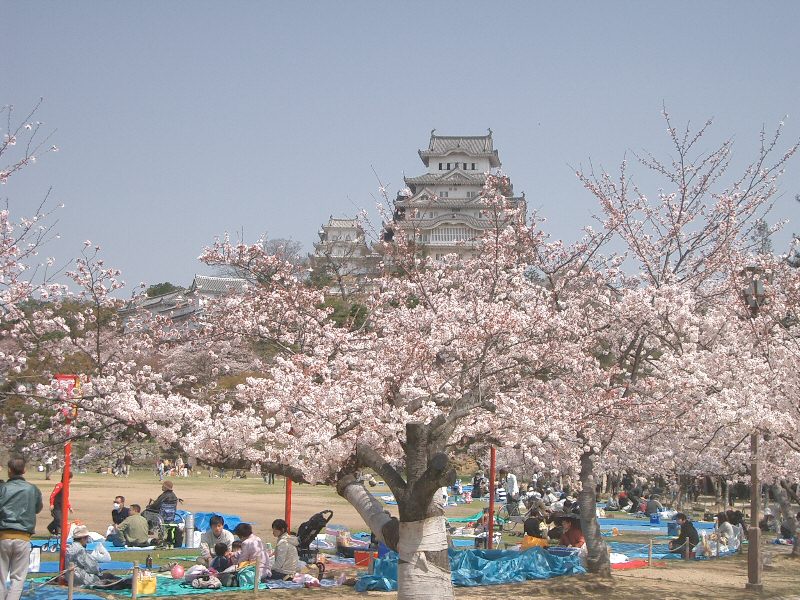
The Japanese tradition of gathering to enjoy cherry blossoms in spring
🇯🇵 Japan and 7 more · Custom, Jan to May
Decoration
Hanami花見
The Japanese tradition of gathering to enjoy cherry blossoms in spring
🇯🇵 Japan and 7 more · Custom, Jan to May
 Decoration
Sōgetsu草月流
A modern school of Japanese ikebana open to all materials and styles
🇯🇵 Japan · Arrangement
Decoration
Sōgetsu草月流
A modern school of Japanese ikebana open to all materials and styles
🇯🇵 Japan · Arrangement
More from Belarus
All the flowers of Belarus Decoration
Mother's Day
A day to honor mothers and motherhood around the world
🇺🇸 United States and 6 more · Custom
Decoration
Mother's Day
A day to honor mothers and motherhood around the world
🇺🇸 United States and 6 more · Custom
 Decoration
DożynkiDożynki, Обжинки, Дажынкі, Dožínky, Òżniwinë
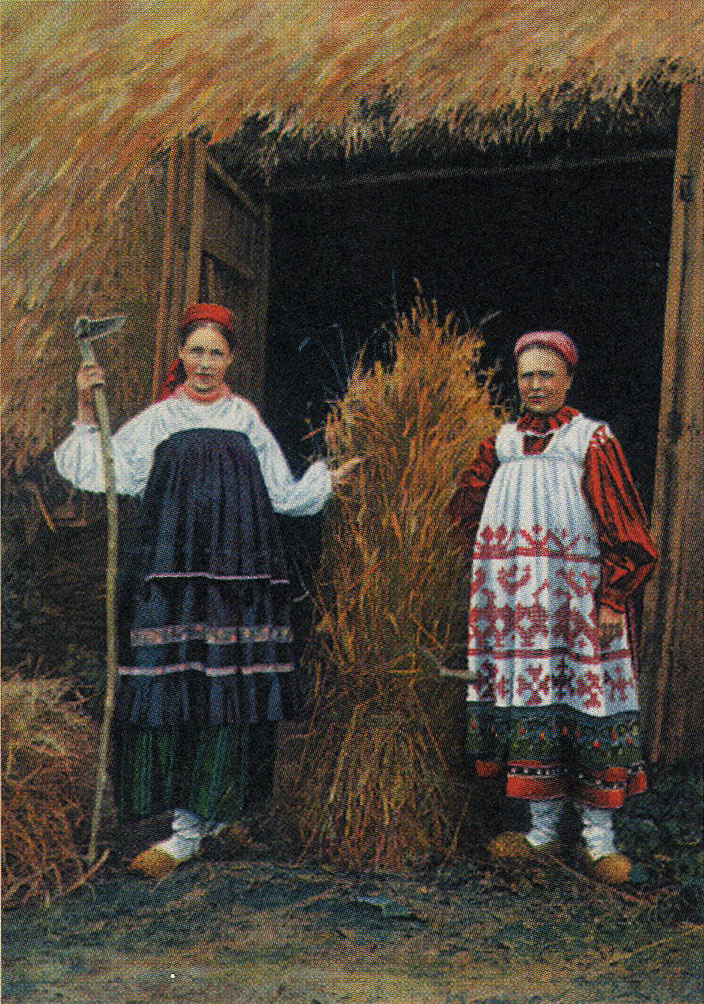
The Slavic harvest festival marked by wreaths of grain and flowers
🇵🇱 Poland and 5 more · Custom, Aug to Sep
Decoration
DożynkiDożynki, Обжинки, Дажынкі, Dožínky, Òżniwinë
The Slavic harvest festival marked by wreaths of grain and flowers
🇵🇱 Poland and 5 more · Custom, Aug to Sep
 Decoration
Fern flower
A mythical flower from Baltic and Slavic midsummer traditions
🇪🇪 Estonia and 7 more · Custom, Jun to Jul
Decoration
Fern flower
A mythical flower from Baltic and Slavic midsummer traditions
🇪🇪 Estonia and 7 more · Custom, Jun to Jul
 Fringed Water-lilyNymphoides peltata
A floating yellow aquatic plant with wavy leaves and fringed flowers
🇨🇳 China and 7 more · Water flower
Fringed Water-lilyNymphoides peltata
A floating yellow aquatic plant with wavy leaves and fringed flowers
🇨🇳 China and 7 more · Water flower