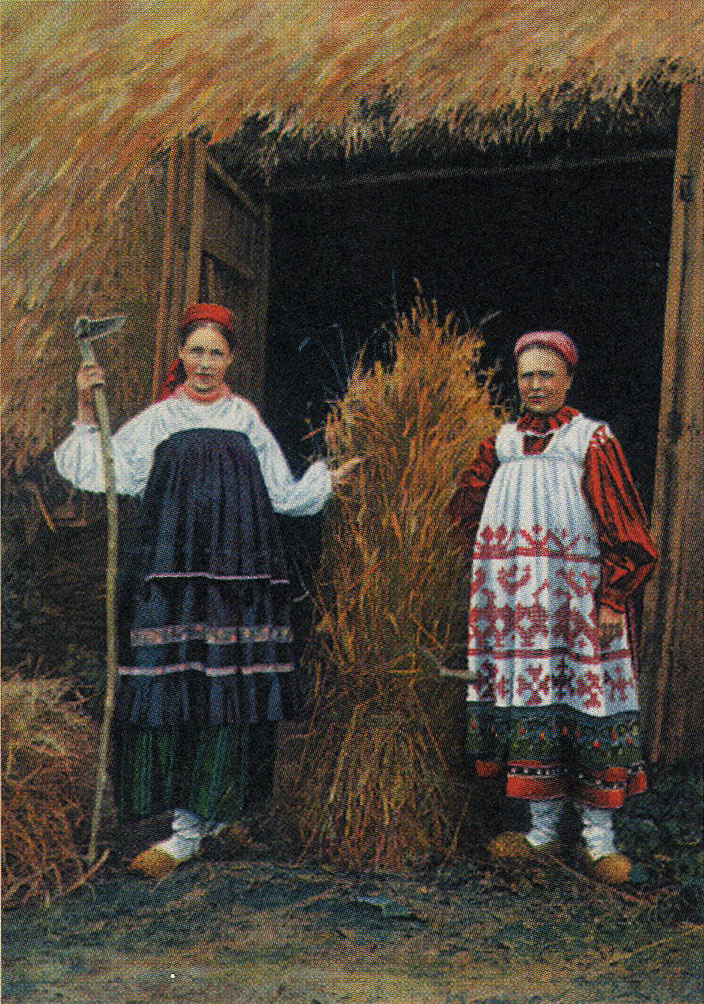
Dożynki
In its own language: Dożynki, Обжинки, Дажынкі, Dožínky, Òżniwinë
The Slavic harvest festival marked by wreaths of grain and flowers
Dożynki is a traditional Slavic harvest festival celebrated in Poland, Belarus, Russia and other Slavic countries. Marked by processions and the making of wreaths from the last sheaf of grain, it blends ancient pagan customs with later Christian traditions, giving thanks for the year’s crops.
- A wreath of grain and flowers is central to the celebration
- Held after the harvest, usually in late August or September
- Processions and blessings are key features
- Customs blend pagan and Christian traditions
- Wreath grain is sometimes saved for next year's sowing
What is Dożynki?
Dożynki is a harvest festival where villagers gather to mark the end of the grain harvest. The central ritual is making a wreath or sheaf from the last stalks of grain, often decorated with wildflowers, herbs, ribbons, and braided straw. This wreath is carried in a procession and offered to a guest of honour or blessed by a priest. The festival includes feasting, music, and traditional dances, with the wreath symbolising the hope for future abundance.
Where does Dożynki come from?
Dożynki traces its roots to pre-Christian Slavic rites tied to agriculture and the worship of nature deities. Originally held at the autumn equinox, it was a way to thank the gods for the harvest. With the spread of Christianity in the 16th century, the festival took on new meanings, blending folk customs with Christian thanksgiving and blessings. Over time, it became a widespread rural celebration in Poland, Belarus, Russia, and neighbouring countries.
How Dożynki is made
The festival begins with the ritual cutting of the last sheaf of grain. Women weave this sheaf into a wreath, adding field flowers, herbs, ribbons, and straw. The wreath is carried in a ceremonial procession, sometimes to a church for blessing or to the home of the festival’s host. Afterward, the grain from the wreath may be set aside for sowing the next year, believed to bring good fortune.


When and where Dożynki is used
Dożynki is celebrated by farming communities at the end of harvest, usually in late August or September. It is both a secular and religious event, with processions, blessings, feasts, and folk entertainment. In Poland, it is sometimes marked by a national festival, while in Belarus and Russia, local customs and religious observances are central. The wreath and its blessing are key symbols of gratitude and hope.
Forms of Dożynki
Names and customs vary by region: in Poland, it is called dożynki, wyżynki, or wieniec; in Belarus, names include Dazhynki and Prachystaya. Wreath shapes differ, from round to crown-like or rectangular. Some areas blend the festival with Christian feasts like the Assumption or Dormition, while others keep older pagan elements. In Russia, the festival nearly disappeared during the Soviet era but has seen some revival.
What Dożynki means
Dożynki symbolises gratitude for the harvest and the cycle of rural life. The wreath represents fertility and the promise of future crops. The festival is a time for community, music, and dance, and in Poland, it is the largest agricultural holiday. It reflects both ancient beliefs and Christian traditions, and remains a living part of Slavic folk culture.
Days and festivals
Questions people ask about Dożynki
Where does Dożynki come from?
Dożynki originates from pre-Christian Slavic harvest rites, later blending with Christian traditions in Central and Eastern Europe, especially in Poland, Belarus, and Russia.
What is the main symbol of Dożynki?
The main symbol is a wreath made from the last sheaf of harvested grain, decorated with flowers, herbs, ribbons, and straw. It represents a successful harvest and future prosperity.
When is Dożynki celebrated?
Dożynki is held after the harvest, usually in late August or September, with the exact date varying by region. In some places, it coincides with the Assumption of Mary or the autumn equinox.
How is the festival celebrated?
Celebrations include processions, blessing of the wreath, feasting, music, and traditional dances. The wreath is often presented to a guest of honour or blessed in church.
What does Dożynki symbolise?
It symbolises gratitude for the harvest, hope for future abundance, and the unity of the community. The festival blends ancient pagan and Christian meanings.
Good reading and sources
The facts on this page come from the Wikipedia article "Dożynki", written by its contributors and used under the CC BY-SA 4.0 licence, and from its Wikidata record (CC0). Phool rewrote the text in its own words, with AI assistance, and compares every page with the article to make sure no passage is copied. It may be reused under the same CC BY-SA 4.0 licence with a link back.
It may contain mistakes. If something is wrong, tell us. Last refreshed 2026-10-03.
More of the same kind
 Decoration
Bonsai盆栽
The Japanese art of shaping miniature trees in shallow pots
🇯🇵 Japan and 7 more · Art or design
Decoration
Bonsai盆栽
The Japanese art of shaping miniature trees in shallow pots
🇯🇵 Japan and 7 more · Art or design
 Decoration
Tokonoma床の間
A Japanese alcove for displaying scrolls and flower arrangements
🇯🇵 Japan · Arrangement
Decoration
Tokonoma床の間
A Japanese alcove for displaying scrolls and flower arrangements
🇯🇵 Japan · Arrangement
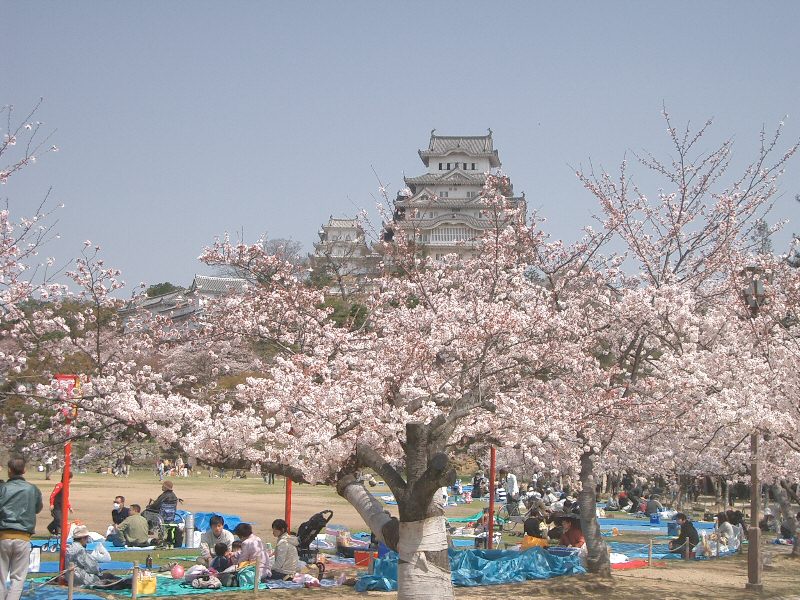 Decoration
Hanami花見
The Japanese tradition of gathering to enjoy cherry blossoms in spring
🇯🇵 Japan and 7 more · Custom, Jan to May
Decoration
Hanami花見
The Japanese tradition of gathering to enjoy cherry blossoms in spring
🇯🇵 Japan and 7 more · Custom, Jan to May
 Decoration
Sōgetsu草月流
A modern school of Japanese ikebana open to all materials and styles
🇯🇵 Japan · Arrangement
Decoration
Sōgetsu草月流
A modern school of Japanese ikebana open to all materials and styles
🇯🇵 Japan · Arrangement
More from Poland
All the flowers of Poland Decoration
Kupala NightКупа́лле / Иван Купала / Івана Купала / Noc Kupały
Slavic midsummer festival with flower garlands, bonfires, and water rituals
🇧🇾 Belarus and 5 more · Custom, Jun to Jul
Decoration
Kupala NightКупа́лле / Иван Купала / Івана Купала / Noc Kupały
Slavic midsummer festival with flower garlands, bonfires, and water rituals
🇧🇾 Belarus and 5 more · Custom, Jun to Jul
 Decoration
Flower carpet
Patterns made on the ground from fresh flowers or petals
🇧🇪 Belgium and 3 more · Carpet or floor pattern, Aug to Dec
Decoration
Flower carpet
Patterns made on the ground from fresh flowers or petals
🇧🇪 Belgium and 3 more · Carpet or floor pattern, Aug to Dec
 Decoration
Wreath
A ring-shaped decoration made from flowers, leaves, or other materials
🇬🇷 Greece and 7 more · Arrangement
Decoration
Wreath
A ring-shaped decoration made from flowers, leaves, or other materials
🇬🇷 Greece and 7 more · Arrangement
 Decoration
Christmas decoration
Ornaments, wreaths, and festive displays for the Christmas season
🇩🇪 Germany and 7 more · Arrangement, Jan to Dec
Decoration
Christmas decoration
Ornaments, wreaths, and festive displays for the Christmas season
🇩🇪 Germany and 7 more · Arrangement, Jan to Dec