
Martenitsa
In its own language: мартеница
Red and white yarn tokens worn to greet spring in Bulgaria and nearby countries
Martenitsa are small red and white yarn adornments, often shaped as two dolls, given and worn from early March as a symbol of health and the coming of spring. This tradition is especially strong in Bulgaria and North Macedonia, but similar customs exist in Romania, Moldova, Albania, and Greece.
- Given and worn from March 1 to welcome spring
- Made of twisted red and white yarn, often as two dolls
- Removed when the first stork or blossoming tree is seen
- Symbolizes health, luck, and the cycle of life
- Recognized by UNESCO as intangible cultural heritage
What is Martenitsa?
A Martenitsa is a small token made from twisted red and white yarn, most often crafted into the figures of a man and a woman called Pizho and Penda. The male figure is mainly white, while the female is mostly red and wears a skirt. People wear Martenitsi pinned to their clothes or tied around the wrist or neck. The red and white threads stand for health, new life, and the balance between purity and vitality. Modern versions may include beads or other decorations.
Where does Martenitsa come from?
The Martenitsa custom has deep roots in Bulgaria and North Macedonia, with related traditions in Romania, Moldova, Albania, and Greece. Its origins are linked to ancient Balkan pagan rituals and agricultural beliefs, possibly with Thracian, Hellenic, or Roman influences. The practice of tying colored threads for protection or good fortune can be traced back to ancient times, and similar customs were described in Greek sources. Over centuries, the Martenitsa became a symbol of spring and renewal in the region.
How Martenitsa is made
Martenitsi are crafted by twisting or braiding red and white wool or yarn. Traditionally, the figures of Pizho and Penda are formed, but simple tassels or bracelets are also common. They are made in the days leading up to March 1 and are given as gifts to friends and family. People wear them until they see a migrating bird or a blossoming tree, marking the arrival of spring, after which the Martenitsa is removed and often tied to a tree branch.


When and where Martenitsa is used
The Martenitsa is given and worn starting on March 1, known as Baba Marta Day in Bulgaria and North Macedonia, and on March 14 in Albania for Summer Fest. It is a gesture of wishing good health and happiness. When the first signs of spring appear, such as the return of storks or the blooming of trees, the wearer removes the Martenitsa, sometimes tying it to a tree or placing it under a stone as part of local rituals.
Forms of Martenitsa
While the classic Martenitsa features the Pizho and Penda dolls, simpler forms like yarn bracelets or tassels are also common. In Romania and Moldova, the tradition is called Mărțișor, and in Albania, it is known as verore. Each country and region may have its own style or ritual for wearing and removing the Martenitsa, and modern designs often include beads or other decorations.
What Martenitsa means
Martenitsa is a cherished symbol of spring and hope in Bulgaria and neighbouring countries. The red and white threads are seen as bringing health and good fortune, and the custom is a joyful way to mark the end of winter. The tradition is officially recognized as part of the world’s intangible cultural heritage. In folklore, the Martenitsa is linked to the figure of Baba Marta, whose mood is believed to affect the weather as winter turns to spring.
Questions people ask about Martenitsa
Where does the Martenitsa tradition come from?
The Martenitsa custom began in Bulgaria and North Macedonia, with similar practices in Romania, Moldova, Albania, and Greece. Its roots go back to ancient Balkan rituals celebrating nature and the arrival of spring.
What do the red and white colors mean?
Red stands for life and vitality, while white represents purity. Together, they symbolize health, the balance of life, and the hope for a good year ahead.
When do people wear and remove Martenitsi?
People start wearing Martenitsi on March 1 (or March 14 in Albania) and keep them on until they spot a returning bird like a stork or see the first blossoming tree, which signals the start of spring.
How are Martenitsi made and given?
They are made by twisting red and white yarn into small tokens or dolls. Martenitsi are always given as gifts to friends and loved ones, never bought for oneself.
Is Martenitsa recognized internationally?
Yes, the Martenitsa tradition is listed by UNESCO as part of the world’s intangible cultural heritage.
Good reading and sources
The facts on this page come from the Wikipedia article "Martenitsa", written by its contributors and used under the CC BY-SA 4.0 licence, and from its Wikidata record (CC0). Phool rewrote the text in its own words, with AI assistance, and compares every page with the article to make sure no passage is copied. It may be reused under the same CC BY-SA 4.0 licence with a link back.
It may contain mistakes. If something is wrong, tell us. Last refreshed 2026-10-03.
More of the same kind
 Decoration
Bonsai盆栽
The Japanese art of shaping miniature trees in shallow pots
🇯🇵 Japan and 7 more · Art or design
Decoration
Bonsai盆栽
The Japanese art of shaping miniature trees in shallow pots
🇯🇵 Japan and 7 more · Art or design
 Decoration
Tokonoma床の間
A Japanese alcove for displaying scrolls and flower arrangements
🇯🇵 Japan · Arrangement
Decoration
Tokonoma床の間
A Japanese alcove for displaying scrolls and flower arrangements
🇯🇵 Japan · Arrangement
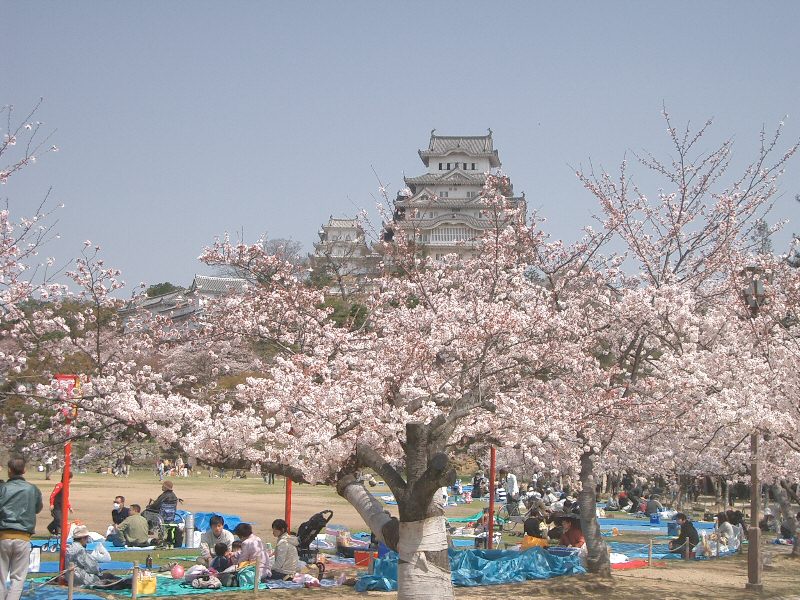 Decoration
Hanami花見
The Japanese tradition of gathering to enjoy cherry blossoms in spring
🇯🇵 Japan and 7 more · Custom, Jan to May
Decoration
Hanami花見
The Japanese tradition of gathering to enjoy cherry blossoms in spring
🇯🇵 Japan and 7 more · Custom, Jan to May
 Decoration
Sōgetsu草月流
A modern school of Japanese ikebana open to all materials and styles
🇯🇵 Japan · Arrangement
Decoration
Sōgetsu草月流
A modern school of Japanese ikebana open to all materials and styles
🇯🇵 Japan · Arrangement
More from Bulgaria
All the flowers of Bulgaria Decoration
Hıdırellez
Spring festival marking the meeting of Hızır and İlyas, celebrated on May 5–6
🇹🇷 Turkey and 8 more · Custom, May
Decoration
Mărțișor
Red and white string brooches worn for spring in Romania and Moldova
🇷🇴 Romania and 3 more · Custom, March
Decoration
Hıdırellez
Spring festival marking the meeting of Hızır and İlyas, celebrated on May 5–6
🇹🇷 Turkey and 8 more · Custom, May
Decoration
Mărțișor
Red and white string brooches worn for spring in Romania and Moldova
🇷🇴 Romania and 3 more · Custom, March
 Decoration
Kupala NightКупа́лле / Иван Купала / Івана Купала / Noc Kupały
Slavic midsummer festival with flower garlands, bonfires, and water rituals
🇧🇾 Belarus and 5 more · Custom, Jun to Jul
Decoration
Kupala NightКупа́лле / Иван Купала / Івана Купала / Noc Kupały
Slavic midsummer festival with flower garlands, bonfires, and water rituals
🇧🇾 Belarus and 5 more · Custom, Jun to Jul
 Decoration
Rose Festival, BulgariaФестивал на розата
Annual celebration of the Bulgarian rose harvest with parades and rituals
🇧🇬 Bulgaria · Custom, May to Jun
Decoration
Rose Festival, BulgariaФестивал на розата
Annual celebration of the Bulgarian rose harvest with parades and rituals
🇧🇬 Bulgaria · Custom, May to Jun