Mărțișor
Red and white string brooches worn for spring in Romania and Moldova
Mărțișor is a spring custom from Romania and Moldova, where people wear a small ornament made of twisted red and white threads, often with a charm, from the start of March. This tradition marks the coming of spring and is shared with similar customs in Bulgaria and North Macedonia.
- Worn from March 1 to mark the start of spring
- Made from twisted red and white threads with a charm
- Tradition shared across Romania, Moldova, Bulgaria, and North Macedonia
- UNESCO-listed as intangible cultural heritage
What is Mărțișor?
A Mărțișor is a small handmade piece, usually a pair of red and white threads twisted together and tied into a bow or with tassels. A charm or pendant, sometimes shaped like a coin, flower, or lucky symbol, hangs from the threads. Traditionally, these are pinned to clothing or tied around the wrist or neck. The red and white colors are the most common, but in the past, other color combinations were used in different regions.
Where does Mărțișor come from?
The custom comes from Romania and Moldova, with roots in old springtime celebrations. Its name means 'little March' in Romanian. The practice is thought to have begun as a way to welcome the new season and was once linked to the start of the year in ancient times. Over time, the tradition spread to neighboring areas, and each region developed its own version, sometimes using different colors or materials.
How Mărțișor is made
To make a Mărțișor, two threads—one red and one white—are twisted or braided together. A small charm or coin is attached at one end, and the finished piece is worn as a brooch, bracelet, or necklace. Modern Mărțișor are often made with silk, but wool, cotton, and linen were used in the past. The design and color can vary by region and personal taste.
When and where Mărțișor is used
People begin wearing Mărțișor on March 1 as a sign of spring. The ornament is usually worn for several days or weeks, depending on local custom, and then tied to a blossoming tree branch or left outside for birds. In some places, it is placed under a rock or thrown into water. Today, many keep them as keepsakes after the season ends.
Forms of Mărțișor
Regional differences include the use of black, blue, or multi-colored threads in some areas, and a range of materials from silk to wool. In Bulgaria, a similar tradition called Martenitsa uses the same red and white threads but often shapes them into small dolls. Moldovan Mărțișor pendants sometimes take the form of traditional folk objects.
What Mărțișor means
Mărțișor represents good luck, health, and the hope for a fruitful year. It is mostly given to women and children, and its meaning is tied to the renewal of nature. The custom is officially recognized as part of the region's living heritage, and is listed by UNESCO for its cultural value.
Questions people ask about Mărțișor
Where does the Mărțișor tradition come from?
Mărțișor began in Romania and Moldova as a way to celebrate the arrival of spring. It has deep roots in local customs and has spread to nearby countries, each with its own variation.
What does the Mărțișor symbolize?
The red and white threads stand for the changing of seasons and are believed to bring good fortune, health, and beauty to the wearer.
How is a Mărțișor worn?
It is usually pinned to clothing, but can also be tied around the wrist or neck. People wear it from the start of March for a few days or weeks, depending on local tradition.
What happens to the Mărțișor after it is worn?
When the wearing period ends, people often tie the Mărțișor to a tree branch or leave it outside for birds, or sometimes keep it as a memento.
Is Mărțișor celebrated outside Romania and Moldova?
Yes, similar customs are found in Bulgaria, North Macedonia, and among other communities in Southeastern Europe.
Good reading and sources
The facts on this page come from the Wikipedia article "Mărțișor", written by its contributors and used under the CC BY-SA 4.0 licence, and from its Wikidata record (CC0). Phool rewrote the text in its own words, with AI assistance, and compares every page with the article to make sure no passage is copied. It may be reused under the same CC BY-SA 4.0 licence with a link back.
It may contain mistakes. If something is wrong, tell us. Last refreshed 2026-10-03.
More of the same kind
 Decoration
Bonsai盆栽
The Japanese art of shaping miniature trees in shallow pots
🇯🇵 Japan and 7 more · Art or design
Decoration
Bonsai盆栽
The Japanese art of shaping miniature trees in shallow pots
🇯🇵 Japan and 7 more · Art or design
 Decoration
Tokonoma床の間
A Japanese alcove for displaying scrolls and flower arrangements
🇯🇵 Japan · Arrangement
Decoration
Tokonoma床の間
A Japanese alcove for displaying scrolls and flower arrangements
🇯🇵 Japan · Arrangement
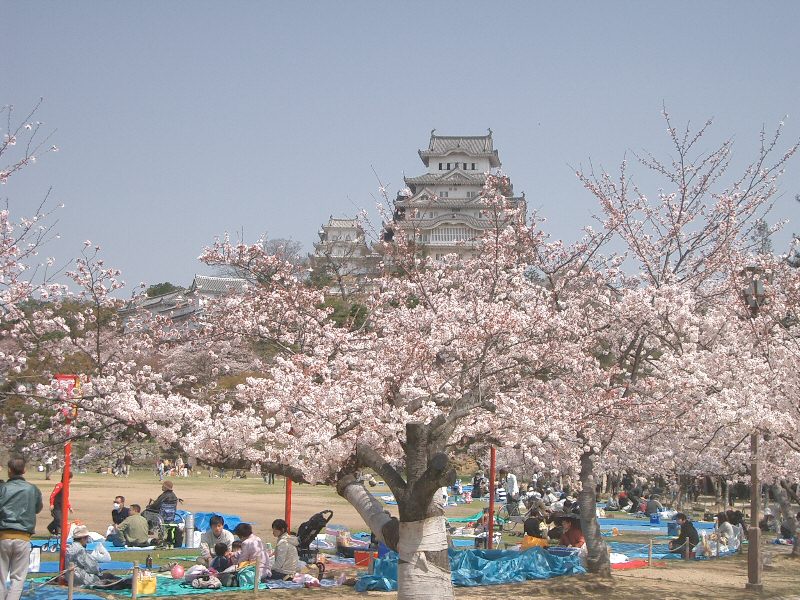 Decoration
Hanami花見
The Japanese tradition of gathering to enjoy cherry blossoms in spring
🇯🇵 Japan and 7 more · Custom, Jan to May
Decoration
Hanami花見
The Japanese tradition of gathering to enjoy cherry blossoms in spring
🇯🇵 Japan and 7 more · Custom, Jan to May
 Decoration
Sōgetsu草月流
A modern school of Japanese ikebana open to all materials and styles
🇯🇵 Japan · Arrangement
Decoration
Sōgetsu草月流
A modern school of Japanese ikebana open to all materials and styles
🇯🇵 Japan · Arrangement
More from Romania
All the flowers of Romania Decoration
Martenitsaмартеница
Red and white yarn tokens worn to greet spring in Bulgaria and nearby countries
🇧🇬 Bulgaria and 5 more · Custom, March
Decoration
Martenitsaмартеница
Red and white yarn tokens worn to greet spring in Bulgaria and nearby countries
🇧🇬 Bulgaria and 5 more · Custom, March
 Common poppyPapaver rhoeas
The vivid red wildflower of fields and remembrance
🇨🇳 China and 7 more · Wildflower
Common poppyPapaver rhoeas
The vivid red wildflower of fields and remembrance
🇨🇳 China and 7 more · Wildflower
 Sour cherryPrunus cerasus
The small, tart cherry tree grown for its sour red fruit
🇹🇷 Turkey and 7 more · Flowering tree
Sour cherryPrunus cerasus
The small, tart cherry tree grown for its sour red fruit
🇹🇷 Turkey and 7 more · Flowering tree
 ElderSambucus nigra
A tall shrub or small tree with clusters of white flowers and dark berries
🇩🇪 Germany and 6 more · Wildflower
ElderSambucus nigra
A tall shrub or small tree with clusters of white flowers and dark berries
🇩🇪 Germany and 6 more · Wildflower