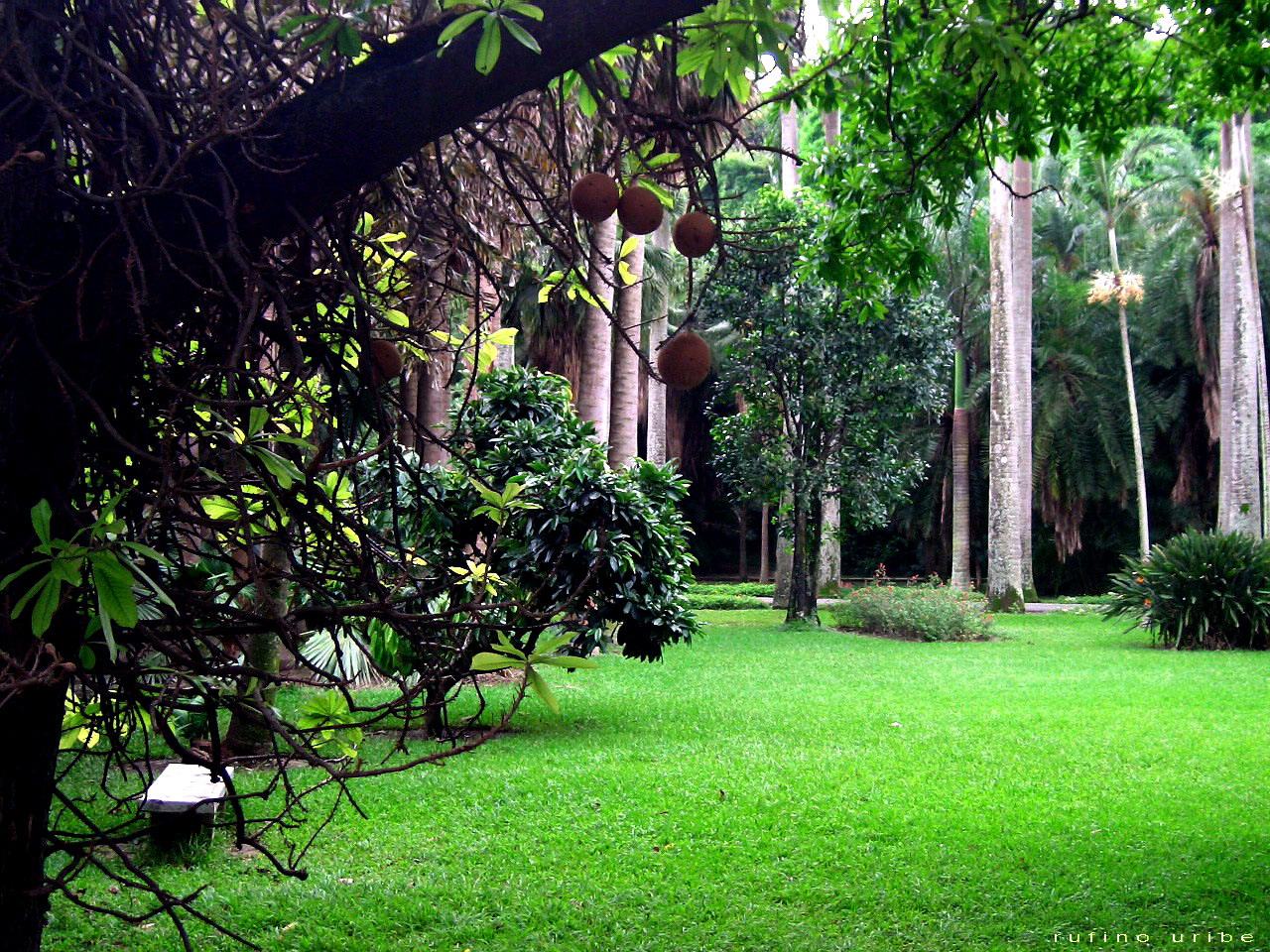
Caracas Botanical Garden
In its own language: Jardín Botánico de Caracas
A 70-hectare botanical garden at the heart of Caracas
Caracas Botanical Garden is a large public garden in central Caracas, Venezuela, covering 70 hectares. It features thousands of plant species from Venezuela and around the world, with special areas for palms, orchids, and native forest. The garden is part of the University City of Caracas, a UNESCO World Heritage Site.
- Covers 70 hectares in central Caracas
- Home to over 2,500 plant species from around the world
- Features a major palm collection with 250 species
- Includes preserved native forest and themed plant areas
- Part of a UNESCO World Heritage Site
What is Caracas Botanical Garden?
This botanical garden stretches across 70 hectares in the middle of Caracas. Visitors once found themed areas such as a palmetum with hundreds of palm species, orchid displays, a tropical forest section, and several lagoons. About half the garden was set aside as preserved native woodland, while the rest was organized into plant collections from Venezuela and other continents. Paths and educational zones made it a place for learning and leisure.
The history of Caracas Botanical Garden
Work on the garden began in 1945 on land that used to be the Ibarra estate. The project was led by Dr. Tobias Lasser, with help from Swiss horticulturist August Braun and Pedro Naspe. It opened to the public in 1958 and was the first botanical garden in Venezuela. The garden was included in the University City of Caracas, which is recognized as a UNESCO World Heritage Site. The Botanic Institute of Venezuela manages the garden and also houses the National Herbarium.
What there is to see
The garden was designed with both scientific and public spaces. About 15 hectares were divided into sections for different plant groups, such as palms, bromeliads, and economic plants. The remaining area was reforested to preserve native trees. Paths, lagoons, and educational displays were built throughout. The garden also included a palmetum, orchid house, and zones for tropical and dry-climate plants.


When to go
For many years, the garden welcomed students, locals, and tourists. It served as a place for research, education, and recreation. The National Herbarium and an art collection are also located here. In recent years, however, the garden has suffered from neglect and loss of resources, with many plants and features damaged or lost.
Parts and collections
The garden once displayed more than 2,500 plant species from around 200 families, with about half native to Venezuela. Other plants came from Central America, Africa, India, and elsewhere in Asia and South America. Special collections included a large palmetum with 250 palm species, as well as orchids, bromeliads, and aquatic plants.
Why Caracas Botanical Garden matters
Caracas Botanical Garden is part of the University City of Caracas, a UNESCO World Heritage Site. It is one of only two botanical gardens worldwide with this recognition, the other being Kew Gardens in London. The garden has played an important role in Venezuelan botanical research and public education.
Questions people ask about Caracas Botanical Garden
Where is the Caracas Botanical Garden located?
It is in the geographic center of Caracas, Venezuela, within the University City complex. The main entrance is on Salvador Allende Avenue near Plaza Venezuela.
What can visitors see in the garden?
Visitors could explore collections of palms, orchids, bromeliads, native forest, lagoons, and educational paths. The garden once displayed thousands of plant species from Venezuela and other regions.
When was the garden established?
The garden opened to the public in 1958, after work began on the site in 1945.
Why is the garden significant?
It was the first botanical garden in Venezuela and is part of the University City of Caracas, a UNESCO World Heritage Site.
What challenges has the garden faced recently?
In recent years, the garden has suffered from neglect, loss of water, theft, and damage to its collections and infrastructure.
Good reading and sources
- Caracas Botanical Garden on WikipediaEncyclopedia
- More photos on Wikimedia CommonsPhotos
- Wikidata recordOpen data
The facts on this page come from the Wikipedia article "Caracas Botanical Garden", written by its contributors and used under the CC BY-SA 4.0 licence, and from its Wikidata record (CC0). Phool rewrote the text in its own words, with AI assistance, and compares every page with the article to make sure no passage is copied. It may be reused under the same CC BY-SA 4.0 licence with a link back.
It may contain mistakes. Opening times, prices and bloom dates change: check with the place before you travel. If something is wrong, tell us. Last refreshed 2026-10-03.
More of the same kind
 Place
Tropical Botanical Garden and Research Institute
A major botanical garden and research centre in Thiruvananthapuram, Kerala
Thiruvananthapuram, 🇮🇳 India · Botanical garden
Place
Tropical Botanical Garden and Research Institute
A major botanical garden and research centre in Thiruvananthapuram, Kerala
Thiruvananthapuram, 🇮🇳 India · Botanical garden
 Place
Baldha Gardenবলধা গার্ডেন
A historic botanical garden in Old Dhaka with hundreds of plant species
Dhaka, 🇧🇩 Bangladesh · Botanical garden
Place
Baldha Gardenবলধা গার্ডেন
A historic botanical garden in Old Dhaka with hundreds of plant species
Dhaka, 🇧🇩 Bangladesh · Botanical garden
 Place
Hakone Botanical Garden of Wetlands箱根湿生花園
A garden of wetland and alpine plants in Hakone, Japan
Hakone, 🇯🇵 Japan · Botanical garden
Place
Hakone Botanical Garden of Wetlands箱根湿生花園
A garden of wetland and alpine plants in Hakone, Japan
Hakone, 🇯🇵 Japan · Botanical garden
 Place
Sim's Park, Coonoor
A century-old botanical garden in the Nilgiri hills of Tamil Nadu
Coonoor, 🇮🇳 India · Botanical garden, May
Place
Sim's Park, Coonoor
A century-old botanical garden in the Nilgiri hills of Tamil Nadu
Coonoor, 🇮🇳 India · Botanical garden, May
More from Venezuela
All the flowers of Venezuela DogwoodCornus
Woody trees and shrubs with showy bracts and colorful berries
🇨🇳 China and 7 more · Wildflower
DogwoodCornus
Woody trees and shrubs with showy bracts and colorful berries
🇨🇳 China and 7 more · Wildflower
 PassionflowerPassiflora
A vine with intricate flowers and edible fruits, grown worldwide
🇺🇸 United States and 7 more · Wildflower
PassionflowerPassiflora
A vine with intricate flowers and edible fruits, grown worldwide
🇺🇸 United States and 7 more · Wildflower
 Mexican flamevinePseudogynoxys chenopodioides
A climbing vine with bright orange daisy-like flowers from Central and South America
🇲🇽 Mexico and 7 more · Climber
Mexican flamevinePseudogynoxys chenopodioides
A climbing vine with bright orange daisy-like flowers from Central and South America
🇲🇽 Mexico and 7 more · Climber