
Mexican flamevine
Pseudogynoxys chenopodioides, family Asteraceae
A climbing vine with bright orange daisy-like flowers from Central and South America
Mexican flamevine is a fast-growing evergreen climber with clusters of orange, daisy-shaped flowers. Native to regions from Mexico to southern Brazil, it is grown as an ornamental in gardens and can flower at nearly any time of year in mild climates.
- Produces orange daisy-like flowers in clusters all year in mild climates
- Native from Mexico to Brazil's Atlantic Forest
- Climbs up to 10 metres and can cover fences or trellises quickly
- Flowers attract butterflies, bees, and hummingbirds
- Mildly toxic and can cause skin irritation
What does Mexican flamevine look like?
Mexican flamevine is a twining vine that can reach 5 to 10 metres in length, with thick, smooth stems that become woody as they age. Its leaves are evergreen, deep green, and shaped like arrows or lances, with toothed edges and a slightly fleshy feel. The plant produces clusters of daisy-like flowers about an inch across, with bright orange rays that can turn red or vermilion as they mature. The flowers have a light scent and golden centers. Its fruits are small, brown, and bristly, resembling tiny dandelion heads.
Where does Mexican flamevine come from?
This vine grows wild from Veracruz in Mexico, through Honduras, and into northern parts of South America, including Venezuela, Colombia, Guyana, and Suriname. It is also found in the Atlantic Forest region of Brazil. Over time, it has spread to many other places, including the southern United States, Puerto Rico, Hawaii, India, Singapore, and several islands, often escaping gardens and naturalizing in disturbed areas. Its scientific name refers to its resemblance to both goosefoot leaves and certain spiny-flowered plants.
When and how Mexican flamevine blooms
Mexican flamevine blooms throughout the year in mild climates, with the heaviest flowering in spring and summer. In places like Florida, it tends to flower more in autumn and winter, while in Puerto Rico, it blooms from late winter into early spring. It thrives in full sun and well-drained soil, climbing on trellises, fences, or shrubs. The plant can be grown from seed or stem cuttings, and it spreads easily by wind-blown seeds or rooting fragments.


How Mexican flamevine is used
Gardeners value Mexican flamevine for its bright flowers and ability to quickly cover fences or trellises. It is grown as an ornamental in many warm regions and sometimes used as a groundcover. The plant is mildly toxic if eaten and can cause skin irritation when handled, so care is needed around pets and children. In some areas, it is considered invasive because it spreads rapidly in the wild.
Kinds of Mexican flamevine
The plant is sometimes sold under the name 'São Paulo'. Without support, it can grow as a sprawling shrub. Its former scientific name, Senecio confusus, described its tangled growth and fluffy seed heads. There are no widely recognized cultivars, but its flower color can shift from orange to red as blooms age.
What Mexican flamevine means
Mexican flamevine is grown mainly for its decorative value in gardens. It is pollinated by butterflies, bees, and hummingbirds. In some regions, it has become a symbol of rapid growth and resilience, but it is also listed as invasive in places like Hawaii and Anguilla. The plant's toxicity means it is not used in food or medicine.
Questions people ask about Mexican flamevine
Where does Mexican flamevine come from?
Mexican flamevine is native to areas from Veracruz in Mexico through Central America to northern South America, including Venezuela, Colombia, Guyana, Suriname, and the Atlantic Forest region of Brazil.
What does the Mexican flamevine look like?
It is a vigorous, evergreen vine with arrow-shaped, toothed leaves and clusters of orange daisy-like flowers that can turn red as they age. The vine can grow up to 10 metres long.
Is Mexican flamevine poisonous?
Yes, the plant is mildly toxic if ingested and can cause skin irritation or a rash when handled. It is also toxic to dogs, cats, and horses.
How is Mexican flamevine used?
It is mainly grown as an ornamental climber or groundcover in gardens for its bright flowers and fast growth. It is not used for food or medicine.
Why is it sometimes considered invasive?
Mexican flamevine spreads easily by wind-dispersed seeds and rooting stem fragments, allowing it to quickly colonize disturbed areas and roadsides outside its native range.
Good reading and sources
- NParksNational Parks Board, Singapore, Article
- Pseudogynoxys chenopodioidesRoyal Horticultural Society, Article
- Plants of the World OnlineRoyal Botanic Gardens, Kew, Plant database
- Where it has been recordedGBIF, Plant database
- Sightings and photos by naturalistsiNaturalist, Plant database
- Pseudogynoxys chenopodioides on WikipediaEncyclopedia
- More photos on Wikimedia CommonsPhotos
- Wikidata recordOpen data
The facts on this page come from the Wikipedia article "Pseudogynoxys chenopodioides", written by its contributors and used under the CC BY-SA 4.0 licence, and from its Wikidata record (CC0). Phool rewrote the text in its own words, with AI assistance, and compares every page with the article to make sure no passage is copied. It may be reused under the same CC BY-SA 4.0 licence with a link back.
It may contain mistakes. It is not medical or foraging advice: many flowers are poisonous, and traditional uses are reported, not recommended. If something is wrong, tell us. Last refreshed 2026-10-03.
Others in the family Asteraceae
The whole family Chrysanthemum菊花
Autumn-blooming flower with thousands of varieties, cherished in East Asia and beyond
🇨🇳 China and 6 more · Wildflower
Chrysanthemum菊花
Autumn-blooming flower with thousands of varieties, cherished in East Asia and beyond
🇨🇳 China and 6 more · Wildflower
 Asteraceae
The vast family of daisies, asters, and sunflowers with star-like flower heads
Asteraceae · Wildflower
Asteraceae
The vast family of daisies, asters, and sunflowers with star-like flower heads
Asteraceae · Wildflower
 DandelionTaraxacum
A yellow-flowered perennial found in fields, lawns, and gardens worldwide
Taraxacum · Wildflower
DandelionTaraxacum
A yellow-flowered perennial found in fields, lawns, and gardens worldwide
Taraxacum · Wildflower
 Dahlia
A bushy perennial with tuberous roots and bright, star-shaped blooms
🇲🇽 Mexico and 1 more · Garden flower
Dahlia
A bushy perennial with tuberous roots and bright, star-shaped blooms
🇲🇽 Mexico and 1 more · Garden flower
More from Mexico
All the flowers of Mexico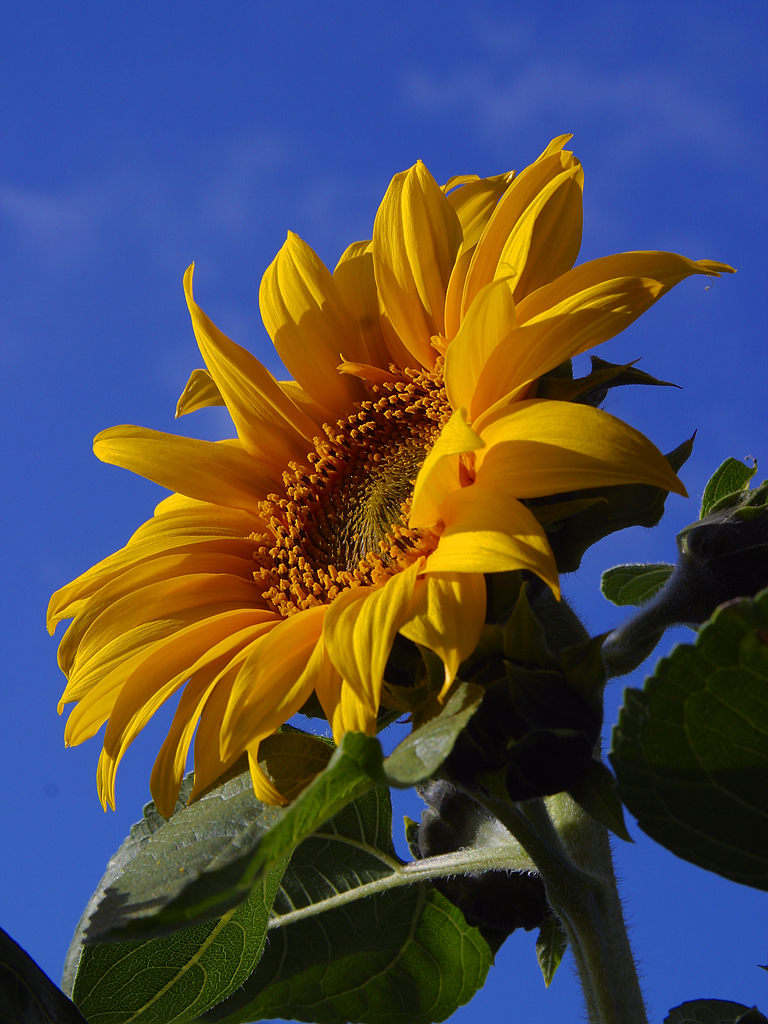 Common sunflowerHelianthus annuus
A tall annual plant grown for its large yellow flower heads and edible seeds
🇨🇦 Canada and 4 more · Wildflower
Common sunflowerHelianthus annuus
A tall annual plant grown for its large yellow flower heads and edible seeds
🇨🇦 Canada and 4 more · Wildflower
 CactusCactaceae
Succulent plants with spines, native to the Americas
🇲🇽 Mexico and 7 more · Wildflower
CactusCactaceae
Succulent plants with spines, native to the Americas
🇲🇽 Mexico and 7 more · Wildflower
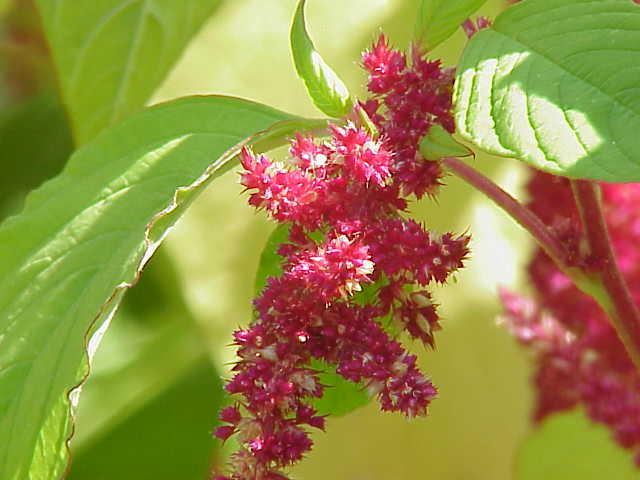 AmaranthAmaranthus
A tall, colourful plant grown for its flowers, leaves and edible seeds
🇲🇽 Mexico and 7 more · Wildflower
AmaranthAmaranthus
A tall, colourful plant grown for its flowers, leaves and edible seeds
🇲🇽 Mexico and 7 more · Wildflower
 HawthornCrataegus
A thorny shrub or tree with white or pink spring flowers and small edible fruits
🇮🇪 Ireland and 7 more · Wildflower
HawthornCrataegus
A thorny shrub or tree with white or pink spring flowers and small edible fruits
🇮🇪 Ireland and 7 more · Wildflower