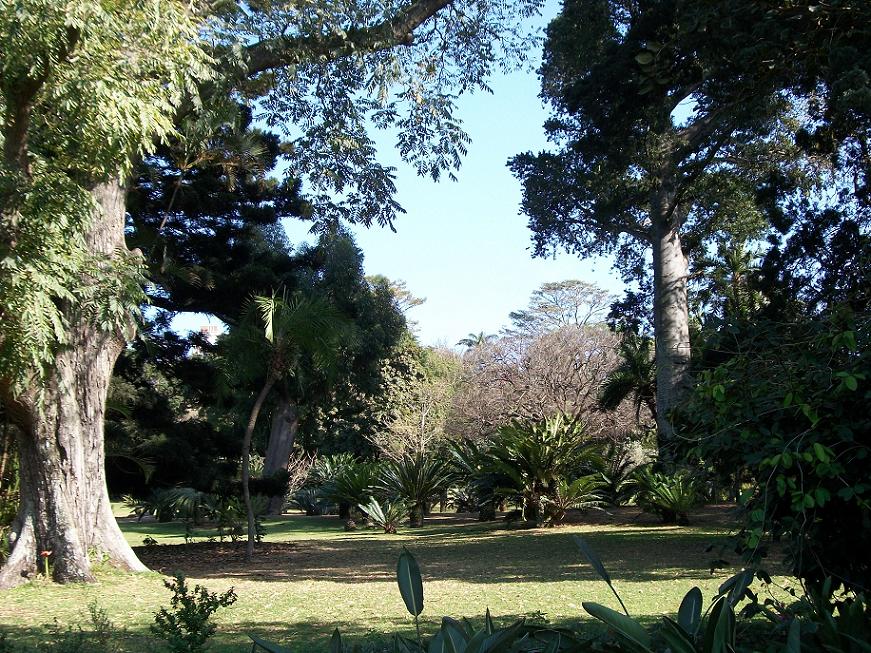
Durban Botanic Gardens
Africa's oldest surviving botanical garden in subtropical Durban
Durban Botanic Gardens is a 15-hectare botanical garden in Durban, South Africa, known for its historic plant collections and subtropical setting. Visitors can explore collections of cycads, ferns, orchids, bromeliads, and many trees, and enjoy events like the annual indigenous plant fair.
- Africa's oldest surviving botanical garden, founded in 1849
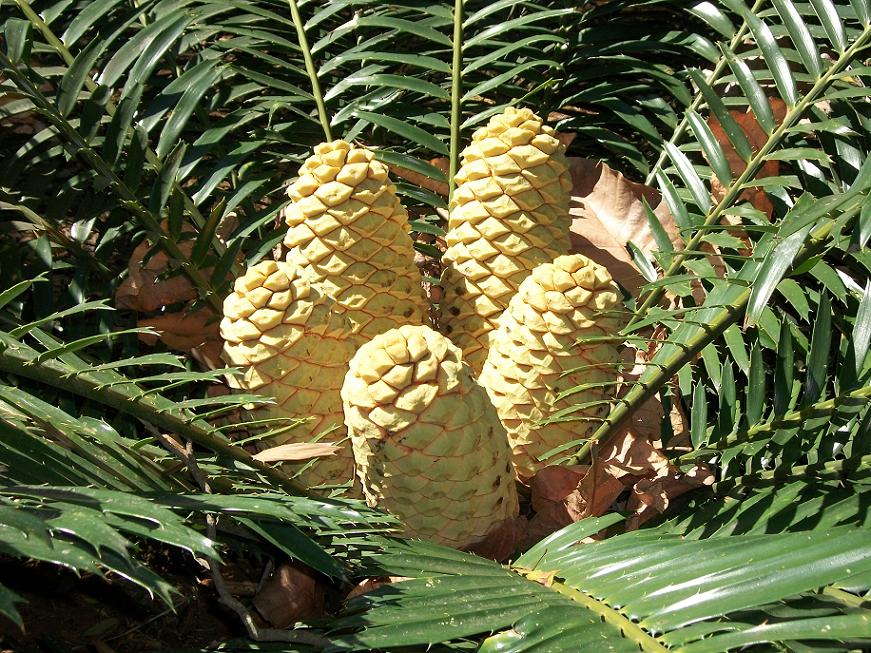
- Home to Wood's Cycad, a rare and historic plant emblem
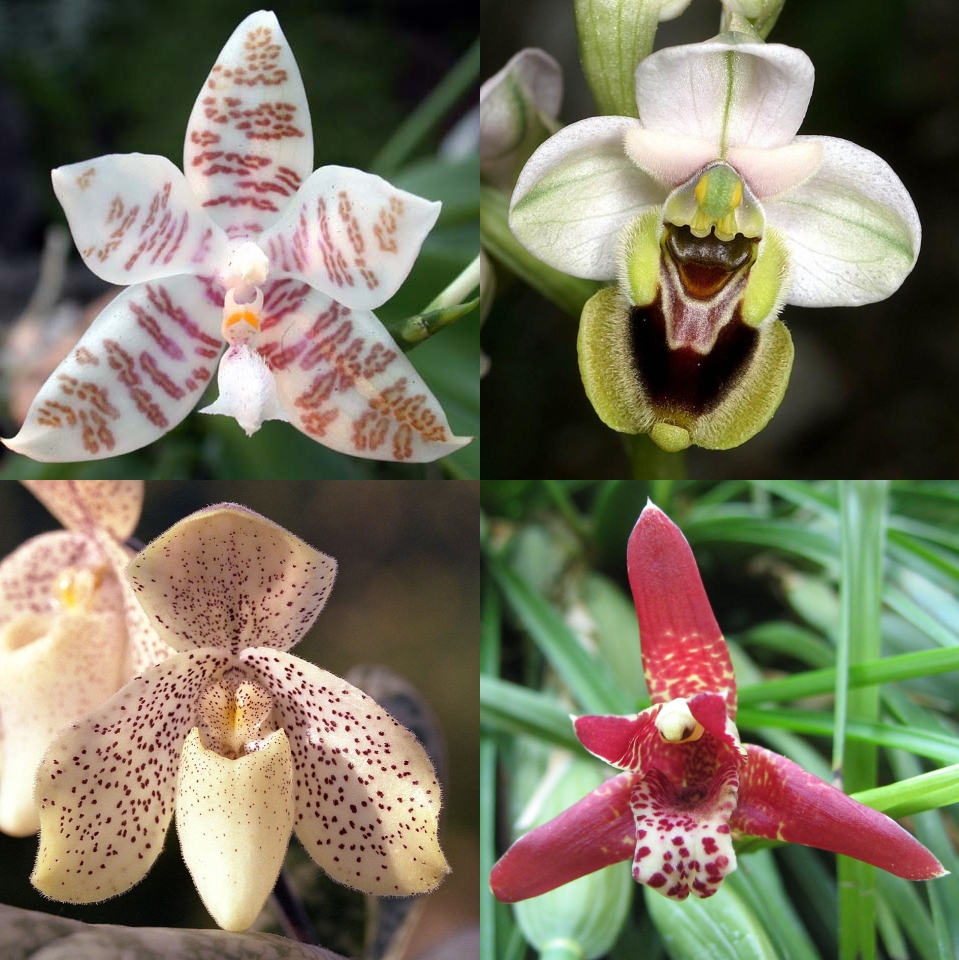
- Over 9,000 orchids displayed in the Ernest Thorp Orchid House
- Annual indigenous plant fair held each spring
- Features a Fern Dell and extensive cycad collection
What is Durban Botanic Gardens?
Durban Botanic Gardens covers 15 hectares in the city of Durban, offering a wide variety of plant collections in a subtropical climate. The gardens feature extensive displays of cycads, ferns, orchids, bromeliads, and over a thousand trees, including palms. Visitors can walk through themed areas such as the Fern Dell and the Ernest Thorp Orchid House, which showcases orchids when in bloom. The gardens also provide open lawns for gatherings and shaded paths for leisurely walks.
The history of Durban Botanic Gardens
The gardens were first established in 1849 as part of a global network of botanic gardens linked to Kew Gardens, aiming to introduce useful plants and supply specimens for science. After moving to its current site in 1851, the gardens grew under several curators, notably John Medley Wood, who founded the Natal Government Herbarium and discovered Wood's Cycad, now the garden's emblem. The gardens have survived economic challenges, changes in management, and political shifts, maintaining many original plantings and expanding their collections over time.
What there is to see
The gardens are laid out with specialized sections for different plant groups. The cycad collection is arranged by geographic origin. The Fern Dell houses local and exotic ferns. The Ernest Thorp Orchid House displays orchids, especially in spring and autumn. Bromeliads are mass-planted in garden beds and sometimes displayed in the orchid house during winter and summer. The grounds also include lawns, paths, and a variety of mature trees and palms.



When to go
Durban Botanic Gardens is open year-round and hosts a range of activities, from music events and tea parties to the annual indigenous plant fair in September. The plant fair features hundreds of native South African species and promotes local biodiversity. The gardens serve as a place for recreation, education, and plant conservation, attracting both locals and visitors.
Parts and collections
The gardens are known for their collections of cycads, including Wood's Cycad, as well as a diverse range of ferns and orchids. The orchid collection contains over 9,000 plants, with notable genera like Cattleya, Phalaenopsis, and Vanda. The cycad section includes species from South Africa and beyond, while the Fern Dell and bromeliad beds showcase both native and exotic varieties.
Why Durban Botanic Gardens matters
Durban Botanic Gardens is the oldest surviving botanical garden in Africa and Durban's oldest public institution. Wood's Cycad, discovered by John Medley Wood, is the emblem of the gardens. The annual indigenous plant fair highlights the importance of native plants and biodiversity. The gardens have played a role in botanical research and plant conservation for over a century.
The flowers of Durban Botanic Gardens
Plan a visit
Questions people ask about Durban Botanic Gardens
Where is Durban Botanic Gardens located?
Durban Botanic Gardens is in Durban, KwaZulu-Natal, South Africa, covering 15 hectares in a subtropical part of the city.
What is special about the plant collections?
The gardens are known for their large collections of cycads, ferns, orchids, bromeliads, and trees, including rare species like Wood's Cycad and a wide variety of orchids displayed in a dedicated house.
When was Durban Botanic Gardens established?
The gardens were first established in 1849 and moved to their current site in 1851, making them the oldest surviving botanical garden in Africa.
What events take place at the gardens?
Events include music performances, tea parties, and the annual indigenous plant fair in September, which features native South African plants and promotes biodiversity.
What is Wood's Cycad and why is it important?
Wood's Cycad is a rare species discovered by John Medley Wood in 1895. It is now the emblem of the gardens, with original specimens still growing there.
Good reading and sources
- Durban Botanic Gardens on WikipediaEncyclopedia
- More photos on Wikimedia CommonsPhotos
- Wikidata recordOpen data
The facts on this page come from the Wikipedia article "Durban Botanic Gardens", written by its contributors and used under the CC BY-SA 4.0 licence, and from its Wikidata record (CC0). Phool rewrote the text in its own words, with AI assistance, and compares every page with the article to make sure no passage is copied. It may be reused under the same CC BY-SA 4.0 licence with a link back.
It may contain mistakes. Opening times, prices and bloom dates change: check with the place before you travel. If something is wrong, tell us. Last refreshed 2026-10-03.
More of the same kind
 Place
Tropical Botanical Garden and Research Institute
A major botanical garden and research centre in Thiruvananthapuram, Kerala
Thiruvananthapuram, 🇮🇳 India · Botanical garden
Place
Tropical Botanical Garden and Research Institute
A major botanical garden and research centre in Thiruvananthapuram, Kerala
Thiruvananthapuram, 🇮🇳 India · Botanical garden
 Place
Baldha Gardenবলধা গার্ডেন
A historic botanical garden in Old Dhaka with hundreds of plant species
Dhaka, 🇧🇩 Bangladesh · Botanical garden
Place
Baldha Gardenবলধা গার্ডেন
A historic botanical garden in Old Dhaka with hundreds of plant species
Dhaka, 🇧🇩 Bangladesh · Botanical garden
 Place
Hakone Botanical Garden of Wetlands箱根湿生花園
A garden of wetland and alpine plants in Hakone, Japan
Hakone, 🇯🇵 Japan · Botanical garden
Place
Hakone Botanical Garden of Wetlands箱根湿生花園
A garden of wetland and alpine plants in Hakone, Japan
Hakone, 🇯🇵 Japan · Botanical garden
 Place
Sim's Park, Coonoor
A century-old botanical garden in the Nilgiri hills of Tamil Nadu
Coonoor, 🇮🇳 India · Botanical garden, May
Place
Sim's Park, Coonoor
A century-old botanical garden in the Nilgiri hills of Tamil Nadu
Coonoor, 🇮🇳 India · Botanical garden, May
More from South Africa
All the flowers of South Africa Place
Johannesburg Botanical Garden
A large public garden in Johannesburg known for its rose terraces and themed plant areas
Johannesburg, 🇿🇦 South Africa · Botanical garden
Place
Garden Route Botanical Garden
A botanical garden in George, South Africa, with native Southern Cape plants
George, 🇿🇦 South Africa · Botanical garden
Place
Johannesburg Botanical Garden
A large public garden in Johannesburg known for its rose terraces and themed plant areas
Johannesburg, 🇿🇦 South Africa · Botanical garden
Place
Garden Route Botanical Garden
A botanical garden in George, South Africa, with native Southern Cape plants
George, 🇿🇦 South Africa · Botanical garden
 Place
KwaZulu-Natal National Botanical Garden
A historic botanical garden in Pietermaritzburg, South Africa
Pietermaritzburg, 🇿🇦 South Africa · Botanical garden
Place
KwaZulu-Natal National Botanical Garden
A historic botanical garden in Pietermaritzburg, South Africa
Pietermaritzburg, 🇿🇦 South Africa · Botanical garden
 Place
Lowveld National Botanical Garden
A riverside botanical garden with wild and landscaped areas in Mbombela, South Africa
Mbombela, 🇿🇦 South Africa · Botanical garden
Place
Lowveld National Botanical Garden
A riverside botanical garden with wild and landscaped areas in Mbombela, South Africa
Mbombela, 🇿🇦 South Africa · Botanical garden