
Glasgow Botanic Gardens
A historic botanical garden with glasshouses in Glasgow, Scotland
Glasgow Botanic Gardens is a public botanical garden in the West End of Glasgow, Scotland. It is known for its Victorian glasshouses, especially the Kibble Palace, and collections of temperate and tropical plants, tree ferns, roses, and a herb garden. Visitors can explore themed plantings and walk along the River Kelvin.
- Home to the UK's national collection of tree ferns
- Kibble Palace is a Victorian glasshouse built in 1873
- Features a world rose garden opened in 2003
- The River Kelvin borders the gardens with a scenic walkway
- Holds a research library with historic botanical works
What is Glasgow Botanic Gardens?
Glasgow Botanic Gardens covers a large area in the West End of Glasgow and features several glasshouses, with the Kibble Palace as its centrepiece. The gardens display a wide range of plants, from temperate and tropical species to a herb garden and a world rose garden. The Kibble Palace itself is a striking 19th-century iron and glass structure, home to collections of orchids, carnivorous plants, and the UK's national collection of tree ferns. Walking paths wind through themed beds and along the River Kelvin, offering visitors a varied and peaceful experience.
The history of Glasgow Botanic Gardens
The Gardens were first established in 1817 at Sandyford to support the University of Glasgow, led by Thomas Hopkirk and Professor James Jeffray. In 1842, the gardens moved to their current site in the West End. The Kibble Palace, originally built for John Kibble at Loch Long, was moved and reassembled here in 1873. Over time, the gardens became part of Glasgow's public parks. The Kibble Palace was restored in the early 2000s, preserving its historic ironwork and plant collections.
What there is to see
The gardens are laid out with themed beds, including a chronological bed showing when different plants arrived in Scotland. The Kibble Palace was built from wrought iron and glass, supported by ornate columns. Its restoration involved dismantling and repairing the ironwork, then reassembling it with a new internal layout. The glasshouses house plants from around the world, including tree ferns from Australia and New Zealand, orchids, and carnivorous plants.


When to go
Glasgow Botanic Gardens is open to the public and offers a place to see diverse plant collections year-round. The gardens have hosted concerts and events in the past, and today are a destination for plant enthusiasts, walkers, and families. The Kelvin walkway connects the gardens to Kelvingrove Park, making it part of a larger green corridor in the city.
Parts and collections
The Kibble Palace is especially known for its collection of tree ferns, some over a century old, and orchids. The rose garden, opened in 2003, features varieties from around the world. The gardens also have a herb garden and a chronological bed, each with its own focus and plant selection.
Why Glasgow Botanic Gardens matters
The gardens are listed in the Inventory of Gardens and Designed Landscapes in Scotland and received a Green Flag Award in 2011. The Kibble Palace contains several notable sculptures by artists such as George Henry Paulin and William Goscombe John. The gardens have a research library with historic botanical books and periodicals, supporting botanical study and research.
Questions people ask about Glasgow Botanic Gardens
Where is Glasgow Botanic Gardens located?
Glasgow Botanic Gardens is in the West End of Glasgow, Scotland, bordered by the River Kelvin. It is easily accessible from the city and is part of a green corridor connected by the Kelvin walkway.
What is the Kibble Palace?
The Kibble Palace is a large Victorian glasshouse made of wrought iron and glass. Built in 1873, it houses collections of orchids, carnivorous plants, and tree ferns, and is a central feature of the gardens.
What can visitors see at the gardens?
Visitors can explore glasshouses with tropical and temperate plants, a world rose garden, a herb garden, and themed beds. There are also sculptures, walking paths, and a research library for botanical study.
What is special about the plant collections?
The gardens are known for their national collection of tree ferns, some over 120 years old, as well as orchids, carnivorous plants, and a diverse rose garden with varieties from around the world.
Is the Glasgow Botanic Gardens historically significant?
Yes, the gardens date back to 1817 and are listed in the Inventory of Gardens and Designed Landscapes in Scotland. The Kibble Palace is a notable Victorian structure, and the gardens have a long history of public and scientific use.
Good reading and sources
- Glasgow Botanic Gardens on WikipediaEncyclopedia
- More photos on Wikimedia CommonsPhotos
- Wikidata recordOpen data
The facts on this page come from the Wikipedia article "Glasgow Botanic Gardens", written by its contributors and used under the CC BY-SA 4.0 licence, and from its Wikidata record (CC0). Phool rewrote the text in its own words, with AI assistance, and compares every page with the article to make sure no passage is copied. It may be reused under the same CC BY-SA 4.0 licence with a link back.
It may contain mistakes. Opening times, prices and bloom dates change: check with the place before you travel. If something is wrong, tell us. Last refreshed 2026-10-03.
More of the same kind
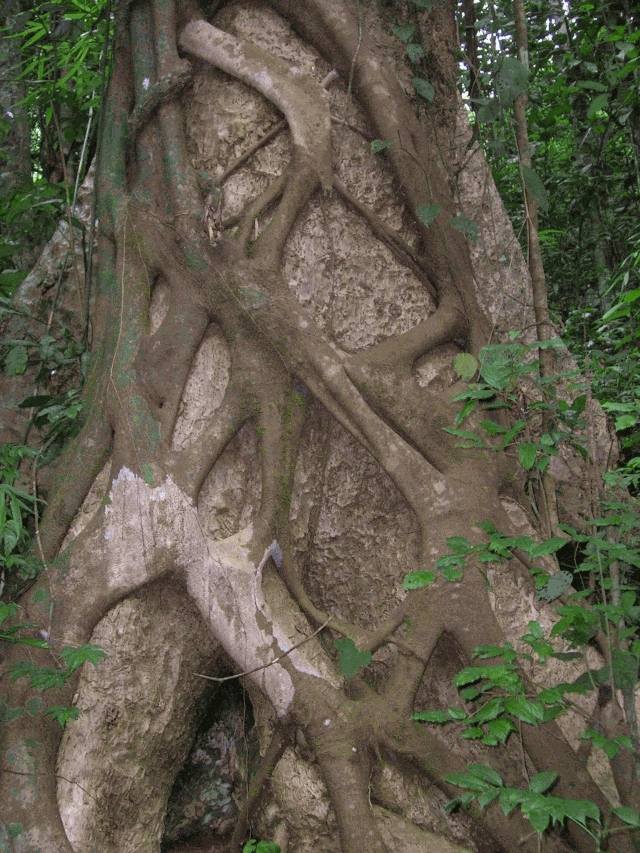 Place
Tropical Botanical Garden and Research Institute
A major botanical garden and research centre in Thiruvananthapuram, Kerala
Thiruvananthapuram, 🇮🇳 India · Botanical garden
Place
Tropical Botanical Garden and Research Institute
A major botanical garden and research centre in Thiruvananthapuram, Kerala
Thiruvananthapuram, 🇮🇳 India · Botanical garden
 Place
Baldha Gardenবলধা গার্ডেন
A historic botanical garden in Old Dhaka with hundreds of plant species
Dhaka, 🇧🇩 Bangladesh · Botanical garden
Place
Baldha Gardenবলধা গার্ডেন
A historic botanical garden in Old Dhaka with hundreds of plant species
Dhaka, 🇧🇩 Bangladesh · Botanical garden
 Place
Hakone Botanical Garden of Wetlands箱根湿生花園
A garden of wetland and alpine plants in Hakone, Japan
Hakone, 🇯🇵 Japan · Botanical garden
Place
Hakone Botanical Garden of Wetlands箱根湿生花園
A garden of wetland and alpine plants in Hakone, Japan
Hakone, 🇯🇵 Japan · Botanical garden
 Place
Sim's Park, Coonoor
A century-old botanical garden in the Nilgiri hills of Tamil Nadu
Coonoor, 🇮🇳 India · Botanical garden, May
Place
Sim's Park, Coonoor
A century-old botanical garden in the Nilgiri hills of Tamil Nadu
Coonoor, 🇮🇳 India · Botanical garden, May
More from the United Kingdom
All the flowers of the United Kingdom Place
Royal Botanic Gardens, Kew
London’s world-renowned botanical gardens and plant science centre
Kew, 🇬🇧 United Kingdom · Botanical garden
Place
Royal Botanic Gardens, Kew
London’s world-renowned botanical gardens and plant science centre
Kew, 🇬🇧 United Kingdom · Botanical garden
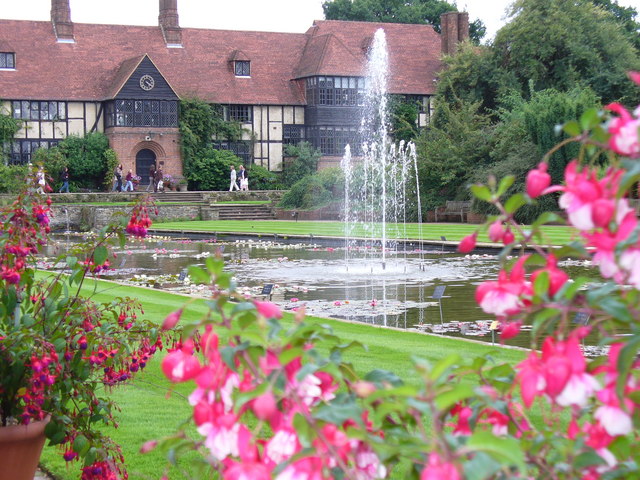 Place
RHS Garden Wisley
A major English garden with glasshouses, borders and plant trials in Surrey
Wisley, 🇬🇧 United Kingdom · Botanical garden
Place
RHS Garden Wisley
A major English garden with glasshouses, borders and plant trials in Surrey
Wisley, 🇬🇧 United Kingdom · Botanical garden
 Place
Hestercombe House
Historic house and gardens in Somerset with Georgian, Victorian, and Edwardian designs
Cheddon Fitzpaine, 🇬🇧 United Kingdom · Flower garden
Place
Hestercombe House
Historic house and gardens in Somerset with Georgian, Victorian, and Edwardian designs
Cheddon Fitzpaine, 🇬🇧 United Kingdom · Flower garden
 Place
RHS Garden Bridgewater
A 154-acre public garden on the former Worsley New Hall estate in Salford, England
Salford, 🇬🇧 United Kingdom · Flower garden
Place
RHS Garden Bridgewater
A 154-acre public garden on the former Worsley New Hall estate in Salford, England
Salford, 🇬🇧 United Kingdom · Flower garden