
Higashiyama Zoo and Botanical Gardens
In its own language: 東山動植物園
A combined zoo and botanical garden in Nagoya, Japan
Higashiyama Zoo and Botanical Gardens is a large public attraction in Chikusa-ku, Nagoya, Japan. Opened in 1937, it brings together a zoo with hundreds of animal species, a botanical garden with wild plants, greenhouses, and a Japanese garden, plus a sky tower with city views.
- Opened in 1937 in Nagoya, Japan
- Houses over 450 animal species
- Includes a botanical garden with greenhouses and a Japanese garden
- Features the Higashiyama Sky Tower with city views
- Koala exhibit logo designed by Akira Toriyama
What is Higashiyama Zoo and Botanical Gardens?
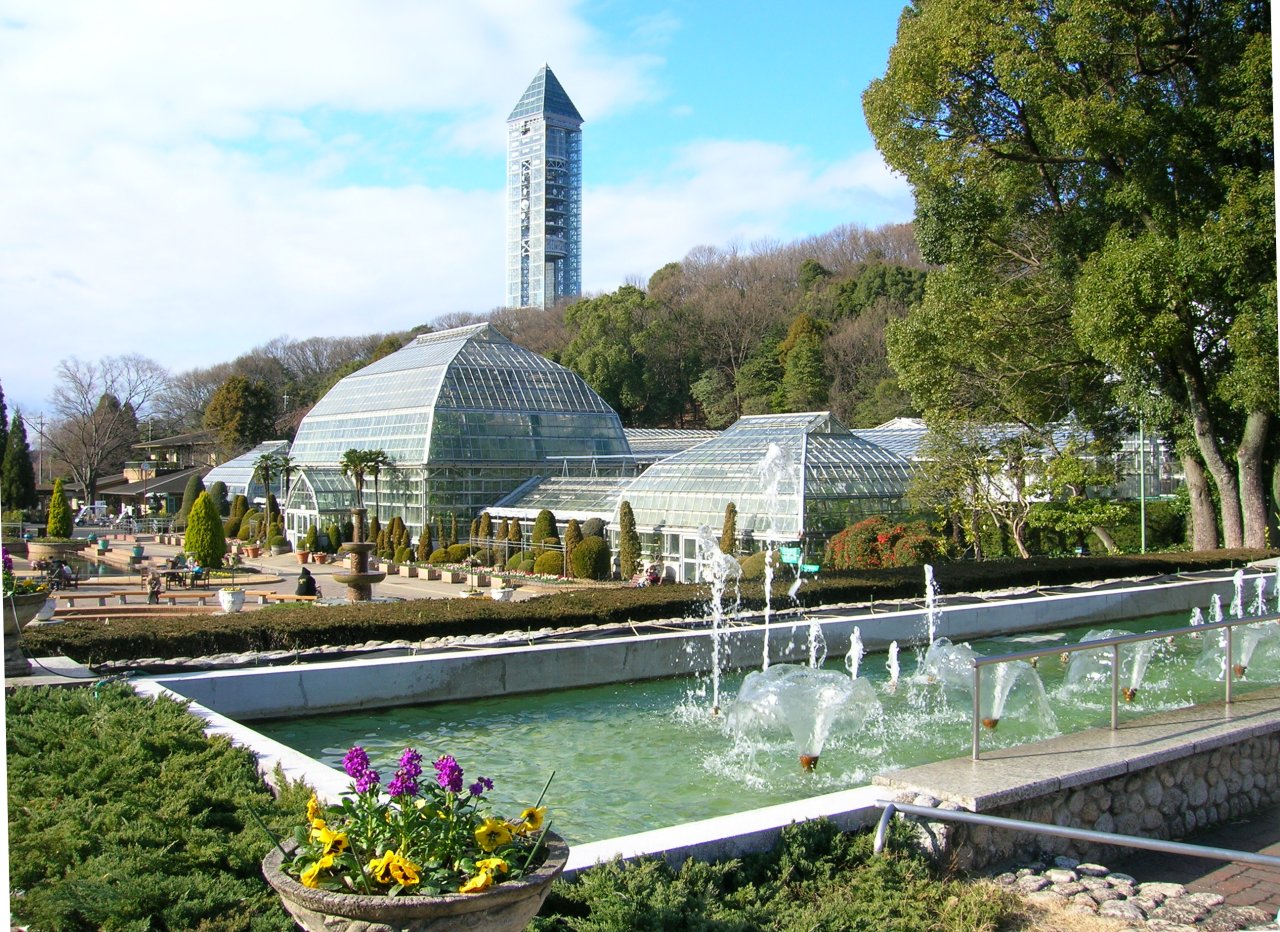
This site combines a zoo and a botanical garden on one property. Visitors can see a wide range of animals, from elephants and gorillas to penguins and reptiles. The botanical gardens display both native and exotic plants, with areas such as greenhouses, a Japanese-style garden, and an insect hall. The Higashiyama Sky Tower stands nearby, offering panoramic views of Nagoya and a restaurant high above the ground.
The history of Higashiyama Zoo and Botanical Gardens
The zoo and botanical gardens opened in 1937 in Nagoya. Over the years, it has grown to become one of the largest attractions of its kind in Asia. The zoo has developed a wide collection of animal species, and the botanical gardens have expanded to include themed gardens and special facilities. The site also features a sky tower, which was added to give visitors a unique perspective of the city.
What there is to see
The grounds are organized into different sections. The zoo houses animals in dedicated enclosures, such as the elephant habitat, bear house, and aviaries. The botanical gardens include outdoor plantings, a greenhouse for tropical species, and a Japanese garden. There is also an insect hall, and the Sky Tower is open to visitors for city views and dining.


When to go
Higashiyama Zoo and Botanical Gardens is open to the public every day except Monday. People visit to see animals, walk through plant collections, and enjoy the gardens. The Sky Tower is a popular spot for its observation decks and restaurant. The site is a major destination for families, school groups, and tourists throughout the year.
Parts and collections
Within the zoo, there are themed zones such as the African Forest for gorillas and chimpanzees, the Koala House, and the American Zone for animals from North America. The botanical gardens include a Japanese garden, a greenhouse with tropical plants, and areas for wild flora. The site also has an amusement park and special exhibition halls.
Why Higashiyama Zoo and Botanical Gardens matters
Higashiyama Zoo and Botanical Gardens is a well-known landmark in Nagoya and is among the most visited zoos in Japan. The koala exhibit features a logo by manga artist Akira Toriyama. The zoo gained extra attention in 2015 when a gorilla named Shabani became popular on social media. The gardens are also listed among Japan’s notable botanical sites.
Questions people ask about Higashiyama Zoo and Botanical Gardens
Where is Higashiyama Zoo and Botanical Gardens located?
It is in Chikusa-ku, a district of Nagoya in Japan. The site is a well-known destination in the city and is easy to reach for visitors.
What can visitors see at the botanical gardens?
The gardens include collections of wild and cultivated plants, a greenhouse for tropical species, an insect hall, and a traditional Japanese garden.
How many animal species are kept at the zoo?
The zoo keeps more than 450 species, making it one of the largest collections in Japan.
What special features does the site offer?
Besides the zoo and gardens, there is the Higashiyama Sky Tower, which has observation decks and a restaurant 100 metres above the ground.
Is the zoo open every day?
The zoo and gardens are open to the public every day except Monday. There is an admission fee to enter.
Good reading and sources
- Higashiyama Zoo and Botanical Gardens on WikipediaEncyclopedia
- More photos on Wikimedia CommonsPhotos
- Wikidata recordOpen data
The facts on this page come from the Wikipedia article "Higashiyama Zoo and Botanical Gardens", written by its contributors and used under the CC BY-SA 4.0 licence, and from its Wikidata record (CC0). Phool rewrote the text in its own words, with AI assistance, and compares every page with the article to make sure no passage is copied. It may be reused under the same CC BY-SA 4.0 licence with a link back.
It may contain mistakes. Opening times, prices and bloom dates change: check with the place before you travel. If something is wrong, tell us. Last refreshed 2026-10-03.
More of the same kind
 Place
Tropical Botanical Garden and Research Institute
A major botanical garden and research centre in Thiruvananthapuram, Kerala
Thiruvananthapuram, 🇮🇳 India · Botanical garden
Place
Tropical Botanical Garden and Research Institute
A major botanical garden and research centre in Thiruvananthapuram, Kerala
Thiruvananthapuram, 🇮🇳 India · Botanical garden
 Place
Baldha Gardenবলধা গার্ডেন
A historic botanical garden in Old Dhaka with hundreds of plant species
Dhaka, 🇧🇩 Bangladesh · Botanical garden
Place
Baldha Gardenবলধা গার্ডেন
A historic botanical garden in Old Dhaka with hundreds of plant species
Dhaka, 🇧🇩 Bangladesh · Botanical garden
 Place
Hallim Park한림공원
A large botanical park with lava caves and themed gardens on Jeju Island
Hallim, 🇰🇷 South Korea · Botanical garden
Place
Hallim Park한림공원
A large botanical park with lava caves and themed gardens on Jeju Island
Hallim, 🇰🇷 South Korea · Botanical garden
 Place
Sim's Park, Coonoor
A century-old botanical garden in the Nilgiri hills of Tamil Nadu
Coonoor, 🇮🇳 India · Botanical garden, May
Place
Sim's Park, Coonoor
A century-old botanical garden in the Nilgiri hills of Tamil Nadu
Coonoor, 🇮🇳 India · Botanical garden, May
More from Japan
All the flowers of Japan Place
Makino Botanical Garden高知県立牧野植物園
A botanical garden and museum in Kōchi, Japan, honouring Tomitaro Makino
Kōchi, 🇯🇵 Japan · Botanical garden
Place
Makino Botanical Garden高知県立牧野植物園
A botanical garden and museum in Kōchi, Japan, honouring Tomitaro Makino
Kōchi, 🇯🇵 Japan · Botanical garden
 Place
Shinjuku Gyoen新宿御苑
A vast public garden in central Tokyo known for cherry blossoms and mixed garden styles
Shibuya, 🇯🇵 Japan · Flower garden, Mar to Nov
Place
Shinjuku Gyoen新宿御苑
A vast public garden in central Tokyo known for cherry blossoms and mixed garden styles
Shibuya, 🇯🇵 Japan · Flower garden, Mar to Nov
 Place
Hakone Botanical Garden of Wetlands箱根湿生花園
A garden of wetland and alpine plants in Hakone, Japan
Hakone, 🇯🇵 Japan · Botanical garden
Place
Hakone Botanical Garden of Wetlands箱根湿生花園
A garden of wetland and alpine plants in Hakone, Japan
Hakone, 🇯🇵 Japan · Botanical garden
 Place
Nunobiki Herb Garden布引ハーブ園
A large herb garden on Mount Rokkō above Kobe, Japan
Kobe, 🇯🇵 Japan · Botanical garden
Place
Nunobiki Herb Garden布引ハーブ園
A large herb garden on Mount Rokkō above Kobe, Japan
Kobe, 🇯🇵 Japan · Botanical garden