
Limbe Botanic Garden
Cameroon's main botanical garden with rare plants and historic trails by the ocean
Limbe Botanic Garden is a large botanical garden on the coast of Limbe, Cameroon, at the mouth of the Limbe River. Founded in 1892, it is known for its collection of rare and local plants, walking trails, and a herbarium. Visitors can explore themed paths, see century-old trees, and learn about conservation.
- Founded in 1892 on Cameroon's coast
- Home to about 1,500 plant species
- Features a large herbarium with 30,000 specimens
- Includes a military cemetery from both World Wars
- Offers themed trails and cultural events
What is Limbe Botanic Garden?
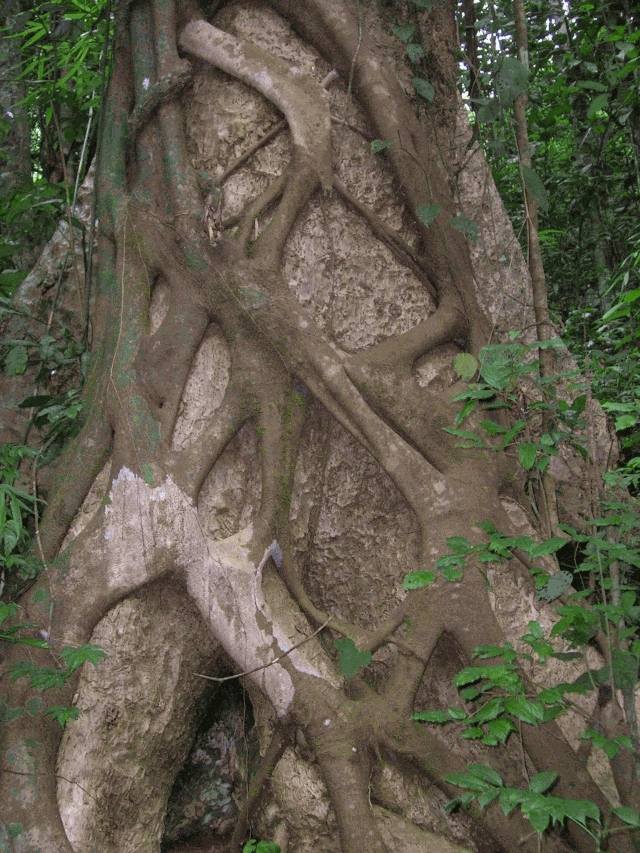
Limbe Botanic Garden covers about 48 hectares along the coast in Limbe, Cameroon. The garden features a wide range of tropical plants, including rare and threatened species, as well as trees that are over a hundred years old. Visitors find themed walking tracks, such as the coastal path with sea views, a biodiversity trail, and routes that pass large trees and wildlife. The garden also includes a herbarium and a military cemetery.
The history of Limbe Botanic Garden
The garden was established in 1892 in what was then called Victoria, during the German colonial period. Its first purpose was to test and introduce tropical crops like rubber, coffee, and cocoa for use in German colonies. Over time, it became a leading tropical botanical garden. After World War I, the British managed it with help from Kew Gardens, and later Cameroonian staff took over. Since independence, it has been run by the Cameroonian government and has shifted focus to conservation and education.
What there is to see
The garden is organized with several main paths, each offering a different experience. The coastal track provides ocean views, while the biodiversity trail highlights the garden’s plant diversity. The Bota trail leads visitors past ancient trees and possible wildlife sightings. There are also riverside paths with very old plants. The garden maintains a herbarium with tens of thousands of specimens and has areas dedicated to research and conservation.


When to go
Open throughout the year, Limbe Botanic Garden serves as a place for recreation, education, and tourism. It hosts cultural events in the 'Jungle Village' area and offers guided walks. The garden is also a research center for plant conservation and houses a military cemetery with graves from both World Wars. Some buildings now serve as a hospital and a hotel.
Parts and collections
The garden’s collection includes about 1,500 types of plants, with a focus on species native to the region, such as African palms and plants from Mount Cameroon. There are also rare and threatened species, including some that are unique to Cameroon’s southwest. The herbarium has grown from 21,000 to 30,000 specimens over the years.
Why Limbe Botanic Garden matters
Limbe Botanic Garden is a major tourist site in Cameroon’s South-West Region and is important for plant conservation and education. It preserves local and rare species and provides a space for cultural events. The military cemetery within the garden is a reminder of the area’s colonial and wartime history.
Questions people ask about Limbe Botanic Garden
Where is Limbe Botanic Garden located?
Limbe Botanic Garden is in the city of Limbe, Cameroon, along the coast near the mouth of the Limbe River and close to Mount Cameroon.
What can visitors see at the garden?
Visitors can explore themed walking trails, see rare and local plants, century-old trees, a large herbarium, and a military cemetery. There are also cultural events and a hotel on the grounds.
What is the history of Limbe Botanic Garden?
The garden was established in 1892 for testing tropical crops. It was managed by Germans, then the British, and later by Cameroonian staff. Today, it focuses on conservation, education, and tourism.
Are there any rare plants in the garden?
Yes, the garden has about 1,500 plant types, including rare and threatened species, especially those native to southwest Cameroon and Mount Cameroon.
Is the garden open all year?
Yes, Limbe Botanic Garden is open throughout the year and offers activities and trails in every season.
Good reading and sources
- Limbe Botanic Garden on WikipediaEncyclopedia
- More photos on Wikimedia CommonsPhotos
- Wikidata recordOpen data
The facts on this page come from the Wikipedia article "Limbe Botanic Garden", written by its contributors and used under the CC BY-SA 4.0 licence, and from its Wikidata record (CC0). Phool rewrote the text in its own words, with AI assistance, and compares every page with the article to make sure no passage is copied. It may be reused under the same CC BY-SA 4.0 licence with a link back.
It may contain mistakes. Opening times, prices and bloom dates change: check with the place before you travel. If something is wrong, tell us. Last refreshed 2026-10-03.
More of the same kind
 Place
Tropical Botanical Garden and Research Institute
A major botanical garden and research centre in Thiruvananthapuram, Kerala
Thiruvananthapuram, 🇮🇳 India · Botanical garden
Place
Tropical Botanical Garden and Research Institute
A major botanical garden and research centre in Thiruvananthapuram, Kerala
Thiruvananthapuram, 🇮🇳 India · Botanical garden
 Place
Baldha Gardenবলধা গার্ডেন
A historic botanical garden in Old Dhaka with hundreds of plant species
Dhaka, 🇧🇩 Bangladesh · Botanical garden
Place
Baldha Gardenবলধা গার্ডেন
A historic botanical garden in Old Dhaka with hundreds of plant species
Dhaka, 🇧🇩 Bangladesh · Botanical garden
 Place
Hakone Botanical Garden of Wetlands箱根湿生花園
A garden of wetland and alpine plants in Hakone, Japan
Hakone, 🇯🇵 Japan · Botanical garden
Place
Hakone Botanical Garden of Wetlands箱根湿生花園
A garden of wetland and alpine plants in Hakone, Japan
Hakone, 🇯🇵 Japan · Botanical garden
 Place
Sim's Park, Coonoor
A century-old botanical garden in the Nilgiri hills of Tamil Nadu
Coonoor, 🇮🇳 India · Botanical garden, May
Place
Sim's Park, Coonoor
A century-old botanical garden in the Nilgiri hills of Tamil Nadu
Coonoor, 🇮🇳 India · Botanical garden, May
