
Washington Park Arboretum
A public garden and park with wetlands, walking paths, and a Japanese Garden in Seattle
Washington Park Arboretum is a large public garden in Seattle, Washington, managed by the University of Washington, Seattle Parks and Recreation, and the Arboretum Foundation. Visitors find a mix of cultivated gardens, natural wetlands, wooded areas, and the Seattle Japanese Garden, with paths for walking and spots for viewing seasonal blooms.
- Azalea Way displays vibrant azaleas in spring
- The park includes a traditional Japanese Garden
- Arboretum Creek runs entirely within the grounds
- Boardwalks cross wetlands near Foster Island
- Site of historic community protests against highway expansion
What is Washington Park Arboretum?
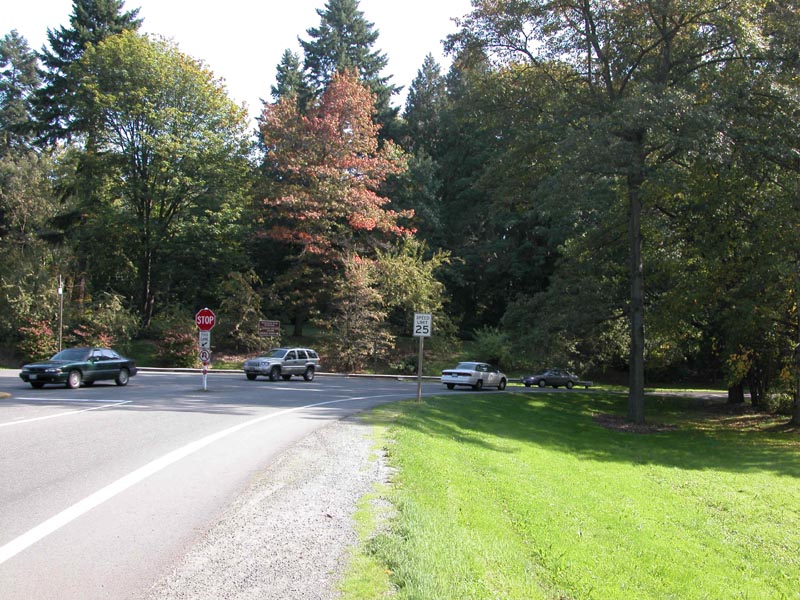
Washington Park Arboretum covers a broad area in Seattle, offering a blend of cultivated gardens, wooded groves, and wetlands. The park features winding paths, boardwalks over marshy ground, and scenic areas like Azalea Way, which is known for its springtime display of colorful azaleas. The Arboretum also includes a Japanese Garden, a creek, and open spaces for walking and relaxing. There are both manicured sections and more natural, shaded areas under tall trees.
The history of Washington Park Arboretum
Before settlers arrived, the land was inhabited by the Duwamish people, who called it Sxwacugwit and used it as an important travel route. In the late 1800s, the area was logged and later acquired by the city. The Olmsted Brothers, a well-known landscape firm, were brought in to design the park after 1900. The Arboretum was officially established in 1934 as a partnership between the city and the University of Washington. Over the years, projects like the Works Progress Administration improved the grounds, and the Japanese Garden was added in 1960.
What there is to see
The Arboretum is open year-round, with gardens and paths maintained by staff and volunteers. Visitors can explore Azalea Way, stroll along boardwalks through wetlands, or visit the Japanese Garden. The park is divided by roads and crossed by a creek that feeds ponds and supports local wildlife. Seasonal displays, such as spring azaleas, attract photographers and garden enthusiasts.



When to go
People come to the Arboretum for walking, enjoying nature, and viewing flowers and trees in all seasons. The Japanese Garden is a popular spot for cultural events and quiet reflection. The park also serves as a site for art and photography, and offers educational opportunities through its connection to the University of Washington. Community members use the space for recreation and relaxation.
Parts and collections
Within the Arboretum, different sections highlight various plant collections and landscapes. Azalea Way is known for its spring blooms, while Rhododendron Glen and the Woodland Garden offer shaded walks. The Japanese Garden, located in the southern part, is designed in a traditional style and features a koi pond. Each area provides a distinct experience for visitors.
Why Washington Park Arboretum matters
The Arboretum stands on land once used by the Duwamish people and reflects layers of Seattle's history, from indigenous use to city park development. It has been shaped by community action, such as the protests that stopped a major highway from cutting through its grounds. The Japanese Garden is recognized as one of the oldest in North America. The park is valued for its natural beauty, cultural history, and role in urban conservation.
Questions people ask about Washington Park Arboretum
Where is Washington Park Arboretum located?
It is in Seattle, Washington, bordered by Union Bay to the north and several neighborhoods on other sides. The Arboretum is managed by the University of Washington and city agencies.
What can visitors see and do at the Arboretum?
Guests can walk along paths through gardens and wetlands, visit the Japanese Garden, enjoy seasonal flower displays, and observe local wildlife. The park is open all year for recreation and relaxation.
What is the history of the Arboretum?
The land was originally home to the Duwamish people and later became city property. The Arboretum was established in 1934, with design input from the Olmsted Brothers. It has expanded and evolved over time, including the addition of the Japanese Garden.
Are there any special features or collections?
Yes, Azalea Way is famous for its spring azalea blooms. The park also has a Japanese Garden, Rhododendron Glen, and boardwalks over wetlands. Each area highlights different plants and landscapes.
Is the Arboretum open year-round?
Yes, the Arboretum welcomes visitors in every season. Flowering displays and activities vary throughout the year, making it a destination for both locals and tourists at any time.
Good reading and sources
- Washington Park Arboretum on WikipediaEncyclopedia
- More photos on Wikimedia CommonsPhotos
- Wikidata recordOpen data
The facts on this page come from the Wikipedia article "Washington Park Arboretum", written by its contributors and used under the CC BY-SA 4.0 licence, and from its Wikidata record (CC0). Phool rewrote the text in its own words, with AI assistance, and compares every page with the article to make sure no passage is copied. It may be reused under the same CC BY-SA 4.0 licence with a link back.
It may contain mistakes. Opening times, prices and bloom dates change: check with the place before you travel. If something is wrong, tell us. Last refreshed 2026-10-03.
More of the same kind
 Place
Tropical Botanical Garden and Research Institute
A major botanical garden and research centre in Thiruvananthapuram, Kerala
Thiruvananthapuram, 🇮🇳 India · Botanical garden
Place
Tropical Botanical Garden and Research Institute
A major botanical garden and research centre in Thiruvananthapuram, Kerala
Thiruvananthapuram, 🇮🇳 India · Botanical garden
 Place
Baldha Gardenবলধা গার্ডেন
A historic botanical garden in Old Dhaka with hundreds of plant species
Dhaka, 🇧🇩 Bangladesh · Botanical garden
Place
Baldha Gardenবলধা গার্ডেন
A historic botanical garden in Old Dhaka with hundreds of plant species
Dhaka, 🇧🇩 Bangladesh · Botanical garden
 Place
Hakone Botanical Garden of Wetlands箱根湿生花園
A garden of wetland and alpine plants in Hakone, Japan
Hakone, 🇯🇵 Japan · Botanical garden
Place
Hakone Botanical Garden of Wetlands箱根湿生花園
A garden of wetland and alpine plants in Hakone, Japan
Hakone, 🇯🇵 Japan · Botanical garden
 Place
Sim's Park, Coonoor
A century-old botanical garden in the Nilgiri hills of Tamil Nadu
Coonoor, 🇮🇳 India · Botanical garden, May
Place
Sim's Park, Coonoor
A century-old botanical garden in the Nilgiri hills of Tamil Nadu
Coonoor, 🇮🇳 India · Botanical garden, May
More from the United States
All the flowers of the United States Place
Dumbarton Oaks
A historic estate, garden, museum, and research center in Washington, D.C.
Washington, D.C., 🇺🇸 United States · Flower garden
Place
Dumbarton Oaks
A historic estate, garden, museum, and research center in Washington, D.C.
Washington, D.C., 🇺🇸 United States · Flower garden
 Place
Hillwood Estate, Museum & Gardens
A museum and garden estate in Washington, D.C. with historic interiors and formal gardens
Washington, D.C., 🇺🇸 United States · Flower garden
Place
Hillwood Estate, Museum & Gardens
A museum and garden estate in Washington, D.C. with historic interiors and formal gardens
Washington, D.C., 🇺🇸 United States · Flower garden
 Place
Longwood Gardens
A vast public garden with formal displays, woodlands, and meadows in Pennsylvania
Kennett Square, 🇺🇸 United States · Botanical garden
Place
Longwood Gardens
A vast public garden with formal displays, woodlands, and meadows in Pennsylvania
Kennett Square, 🇺🇸 United States · Botanical garden
 Place
Missouri Botanical Garden
A historic botanical garden and research center in St. Louis, Missouri
St. Louis, 🇺🇸 United States · Botanical garden
Place
Missouri Botanical Garden
A historic botanical garden and research center in St. Louis, Missouri
St. Louis, 🇺🇸 United States · Botanical garden