🇵🇹 The flowers of Portugal
48 pages from Portugal: its flowers, the things made with them and the places to see them, across 11 cities and regions.
Portugal’s plant life is shaped by its Atlantic coast, Mediterranean climate, and varied landscapes. The country is home to wildflowers like lavender and rockrose, as well as the iconic cork oak and laurel forests. The Azores and Madeira islands add unique subtropical species, making Portugal’s flora especially diverse for its size.
The plant life of Portugal
Portugal’s flora reflects its mild, wet winters and hot, dry summers. The mainland supports Mediterranean-type vegetation, including evergreen oaks, pines, and aromatic shrubs. Coastal areas and river valleys are lush, while the interior features more drought-resistant plants. The country’s two Atlantic archipelagos, Madeira and the Azores, host subtropical forests and many species found nowhere else. This mix of climates and terrains means Portugal has a rich variety of flowering plants compared to other European countries of similar size.
From region to region in Portugal
In the north, forests of oak and chestnut are common, with meadows filled with spring wildflowers. Central Portugal features cork oak woodlands and aromatic shrubs. The southern region, Algarve, has dry hills with hardy plants like rockrose and lavender. Madeira’s laurel forests are relics of ancient subtropical woodlands, while the Azores are known for lush hydrangeas and endemic flowers. Each region’s climate and soil shape its plant life.
Flowers to know in Portugal
The cork oak, valued for its bark, is a symbol of Portugal and dominates many southern landscapes. Wild lavender, rockrose, and rosemary are widespread and scent the countryside. Madeira’s laurel forests shelter rare flowering trees and shrubs, some unique to the island. The Azores have endemic species such as the Azorean heather. These plants are often highlighted in local culture and conservation efforts.
Threats and protection in Portugal
Some native forests, especially laurel woods on Madeira, are threatened by land use changes and invasive species. Conservation areas and reserves have been established to protect rare plants and habitats. The unique flora of the islands, in particular, is a focus for preservation due to its high number of species found nowhere else.
The facts in this overview come from the Wikipedia article "Portugal", written by its contributors and used under the CC BY-SA 4.0 licence. Phool rewrote the text in its own words, with AI assistance, and compares every page with the article to make sure no passage is copied. It may be reused under the same CC BY-SA 4.0 licence with a link back.
Flower experiences in Portugal
 🇵🇹 Funchal · All yearFlower sellers at the Mercado dos LavradoresFunchal's 1940 farmers' market, where women in striped Madeiran dress sell bird of paradise, proteas and orchids.
 🇵🇹 Lisbon · May to JunJacaranda season in LisbonAvenues and squares across Lisbon turn violet in late May and June when the city's jacaranda trees flower.
🇵🇹 Funchal · Apr to SepLevada walks through Madeira's flowersLevel footpaths beside Madeira's old irrigation channels, through laurel forest and banks of agapanthus and hydrangea.
🇵🇹 Lisbon · May to JunJacaranda season in LisbonAvenues and squares across Lisbon turn violet in late May and June when the city's jacaranda trees flower.
🇵🇹 Funchal · Apr to SepLevada walks through Madeira's flowersLevel footpaths beside Madeira's old irrigation channels, through laurel forest and banks of agapanthus and hydrangea.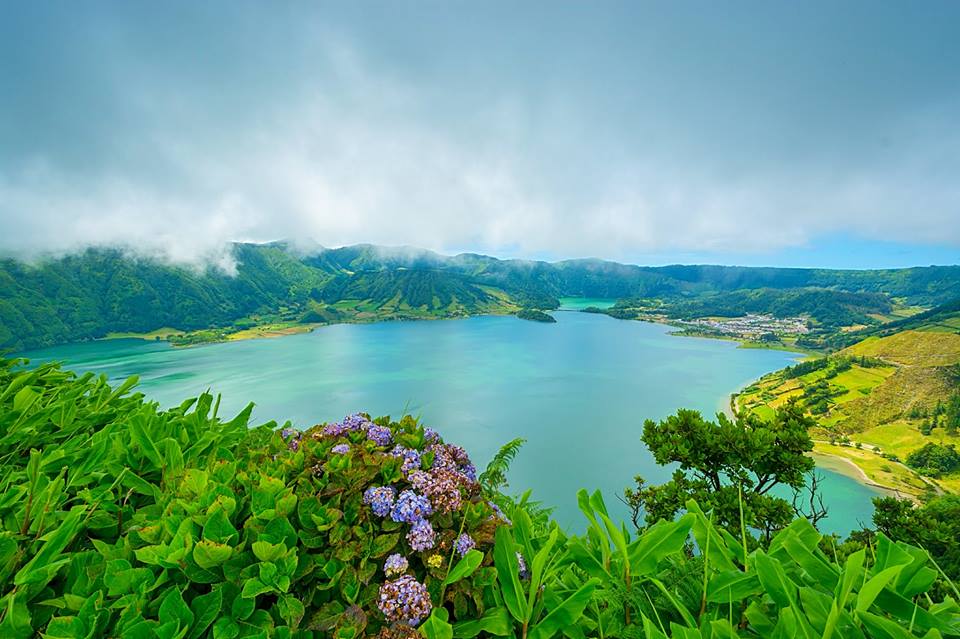 🇵🇹 Ponta Delgada · Jun to AugHydrangea hedges of the AzoresCountry roads on São Miguel and Faial lined for miles with blue hydrangea hedges in the Atlantic summer.
Cities and regions of Portugal
 Place
Porto Botanical GardenJardim Botânico do Porto
A historic botanical garden in Porto with themed gardens and rare plant collections
Porto, 🇵🇹 Portugal · Botanical garden
Place
Porto Botanical GardenJardim Botânico do Porto
A historic botanical garden in Porto with themed gardens and rare plant collections
Porto, 🇵🇹 Portugal · Botanical garden
 Place
Madeira Botanical GardenJardim Botânico da Madeira
A hillside botanical garden in Funchal, Madeira, with themed plant collections and a bird park
Funchal, 🇵🇹 Portugal · Botanical garden
Place
Madeira Botanical GardenJardim Botânico da Madeira
A hillside botanical garden in Funchal, Madeira, with themed plant collections and a bird park
Funchal, 🇵🇹 Portugal · Botanical garden
 Place
Botanical Garden of the University of CoimbraJardim Botânico da Universidade de Coimbra
A historic 13-hectare botanical garden in Coimbra, Portugal
Coimbra, 🇵🇹 Portugal · Botanical garden
Place
Botanical Garden of the University of CoimbraJardim Botânico da Universidade de Coimbra
A historic 13-hectare botanical garden in Coimbra, Portugal
Coimbra, 🇵🇹 Portugal · Botanical garden
 Place
Lisbon Tropical Botanical GardenJardim Botânico Tropical
A historic garden in Lisbon with tropical and subtropical plants from around the world
Lisbon, 🇵🇹 Portugal · Botanical garden
Place
Lisbon Tropical Botanical GardenJardim Botânico Tropical
A historic garden in Lisbon with tropical and subtropical plants from around the world
Lisbon, 🇵🇹 Portugal · Botanical garden
 Place
Terra Nostra ParkParque Terra Nostra
A historic botanical garden and thermal pool in Furnas, Azores
Furnas, 🇵🇹 Portugal · Botanical garden
Place
Terra Nostra ParkParque Terra Nostra
A historic botanical garden and thermal pool in Furnas, Azores
Furnas, 🇵🇹 Portugal · Botanical garden
Photo credits on this page
The small pictures above come from Wikimedia Commons under free licences. Some are cropped to fit.
- Madeira Botanical Garden: Dr. Thomas Liptak, CC BY-SA 4.0, source
- Botanical Garden of the University of Coimbra: Vitor Oliveira, CC BY 2.0, source
- Lisbon Tropical Botanical Garden: Paul Hermans, CC BY-SA 3.0, source
- Terra Nostra Park: Vitor Oliveira, CC BY 2.0, source
- Porto Botanical Garden: JotaCartas, CC BY-SA 3.0, source
- Jacaranda Season Walks: Kahuroa, Public domain, source
- Mercado Dos Lavradores Funchal: Luke H. Gordon, CC BY 2.0, source
- Azores Hydrangea Roads: Lacobrigo, CC BY-SA 4.0, source