
Orangery
A grand glasshouse where orange trees wait out the winter
An orangery is a room or building where orange, lemon, pomegranate and other trees that cannot survive the cold are kept through the winter, a grander kind of greenhouse or conservatory. The first ones appeared in Renaissance Italy, and by the 17th century they had become a mark of wealth in France, Germany and the Netherlands, and later a garden feature in their own right.
- The earliest known orangery was built in Padua, Italy, in 1545.
- Versailles holds Europe's largest orangery, built for 3,000 orange trees.
- Glass was expensive, so an orangery became a sign of wealth.
- Kew's orangery, designed in 1761, was once England's largest glasshouse.
- An orangery has under 75 per cent of its roof glazed; a conservatory has more.
What is Orangery?
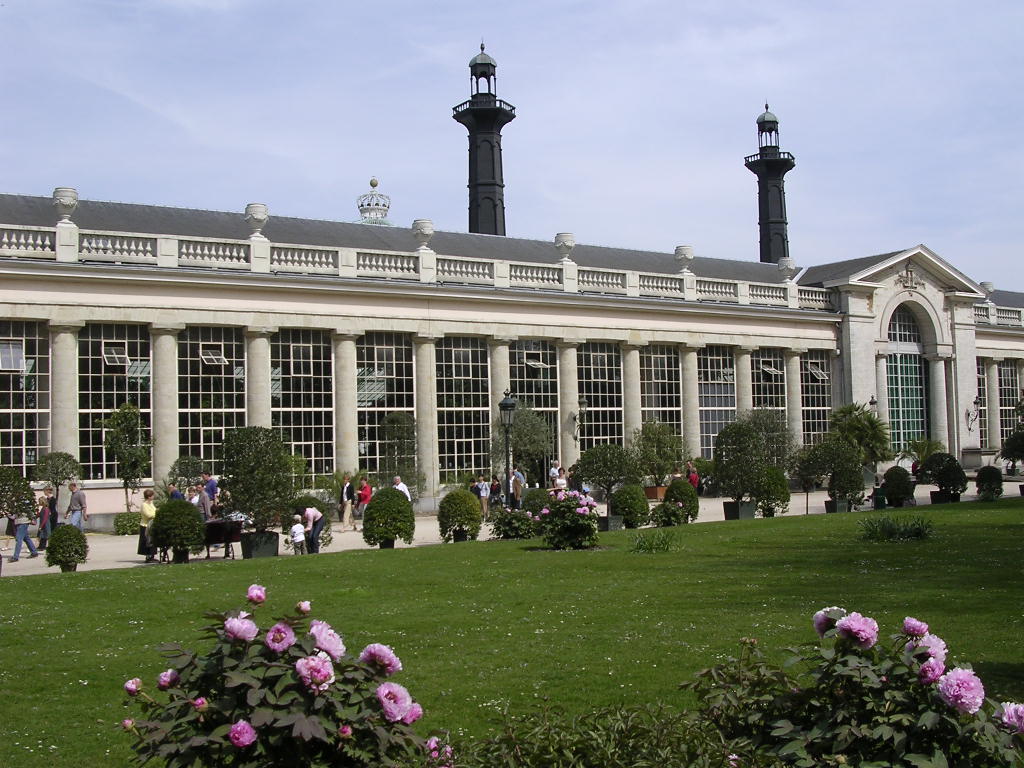
An orangery is a room or a separate building made to keep orange trees and other tender plants alive through a cold winter. It is a large kind of greenhouse or conservatory. Traditionally it has a brick or stone base, brick or stone pillars, tall windows and a heavy solid north wall, often without glass, to hold the warmth in. Straw, wooden shutters and sometimes underfloor heating helped in the cold. Modern orangeries are built from stone, brick and hardwood, and usually have a roof lantern, with less than three quarters of the roof glazed, which is what separates them from a conservatory.
Where does Orangery come from?
The orangery began in the Renaissance gardens of Italy, once glass-makers could produce large clear panes. An early one was built at Padua in 1545, and these first versions were plain and practical, heated only by open fires. Dutch growers then led the way in using wide windows, solid beamed or vaulted roofs and stove heat rather than open fires. Building orangeries became widely fashionable across Europe after the Eighty Years' War ended in 1648, led by France, Germany and the Netherlands, whose merchants were importing orange trees, banana plants and pomegranates in great numbers.
How Orangery is made
An orangery is built facing south so that it catches as much light as possible. The base and the pillars are brick or stone, tall windows run along the sunny sides, and the north wall is usually left solid and heavy, or given only small openings, to keep heat in. Straw was the main insulation, with wooden shutters fitted over the glass. Later buildings added underfloor heating and windows that opened in the roof for ventilation, creating small sheltered climates inside. A modern orangery is usually finished with a roof lantern, and its glass covers less than three quarters of the roof.


When and where Orangery is used
Orangeries were kept by wealthy owners and merchants, who used them to protect citrus and other tender trees through the winter and to show off rare plants. Guests were taken through them on garden tours, to admire the fruit inside and the architecture outside, and many contained fountains, grottos or a sheltered place to entertain when the weather was bad. Some served as ordinary rooms too: one in America was used by the family as a billiards room. A few, such as the old orangery in Stockholm, are now restaurants.
Forms of Orangery
The largest orangery in Europe is the Versailles Orangerie, built by Jules Hardouin-Mansart for Louis XIV and his 3,000 orange trees. At 155 by 13 metres it held the record until the modern greenhouse arrived in the 1840s. England's royal orangery at Kew, designed by William Chambers in 1761, was once the country's largest glasshouse. The surviving orangery at Margam Park in Wales, at 100 metres, is the longest in Wales. The Orangerie of the Louvre is now a museum.
What Orangery means
An orangery was never only a place to keep plants. Because glass was costly, owning one signalled wealth, and through the 17th and 18th centuries it stood beside the summerhouse, the folly and the garden temple as an ornament of the estate. Owners built them as architecture first and working greenhouses second, and the link between the house and a designed garden grew out of that fashion. In the United States, George Washington's orangery at Mount Vernon, finished in 1787, was thought ambitious by his contemporaries.
The flowers of Orangery

Questions people ask about Orangery
What is an orangery for?
It protects orange trees and other plants that cannot survive a cold winter. Trees were brought from warmer countries in large numbers during the 17th century, and a building with tall windows, thick walls and insulation kept them alive until spring.
Where did orangeries come from?
They began in the Renaissance gardens of Italy, once glass-making could produce enough clear panes. An orangery was built at Padua as early as 1545. Dutch growers developed the wide windows and stove heating, and the fashion spread across Europe after 1648.
How is an orangery different from a conservatory?
The roof. In a conservatory more than 75 per cent of the roof is glazed; in an orangery less than 75 per cent is. Orangeries are usually built facing south, from brick or stone with hardwood, and often carry a roof lantern.
Why were orangeries a status symbol?
Glass was expensive, so only the wealthy could build one. Owners kept rare and exotic plants in them, and led guests through on garden tours to admire the fruit and the architecture. They became as much a garden ornament as a summerhouse or folly.
Can I visit an orangery today?
Yes. Many survive at palaces, parks and botanical gardens, including the Versailles Orangerie in France, Kew in England, the Belvedere and Schönbrunn in Vienna, and the Old and New Orangeries at Warsaw's Royal Łazienki Park. One in Stockholm is now a restaurant.
Good reading and sources
The facts on this page come from the Wikipedia article "Orangery", written by its contributors and used under the CC BY-SA 4.0 licence, and from its Wikidata record (CC0). Phool rewrote the text in its own words, with AI assistance, and compares every page with the article to make sure no passage is copied. It may be reused under the same CC BY-SA 4.0 licence with a link back.
It may contain mistakes. If something is wrong, tell us. Last refreshed 2026-10-03.
More of the same kind
 Decoration
Korean garden
A natural garden style shaped by rocks, ponds, and harmony with the land
🇰🇷 South Korea and 5 more · Garden style
Decoration
Korean garden
A natural garden style shaped by rocks, ponds, and harmony with the land
🇰🇷 South Korea and 5 more · Garden style
 Decoration
Islamic garden
A walled garden of water, shade and scent inspired by paradise
🇮🇷 Iran and 5 more · Garden style
Decoration
Islamic garden
A walled garden of water, shade and scent inspired by paradise
🇮🇷 Iran and 5 more · Garden style
 Decoration
Mughal garden
A formal garden style of pools, canals, and symmetry from the Mughal era
🇮🇳 India and 3 more · Garden style
Decoration
Mughal garden
A formal garden style of pools, canals, and symmetry from the Mughal era
🇮🇳 India and 3 more · Garden style
 Decoration
Bonsai盆栽
The Japanese art of shaping miniature trees in shallow pots
🇯🇵 Japan and 7 more · Art or design
Decoration
Bonsai盆栽
The Japanese art of shaping miniature trees in shallow pots
🇯🇵 Japan and 7 more · Art or design
More from Italy
All the flowers of Italy Decoration
Knot garden
A formal garden pattern of interlaced low hedges in a square frame
🇮🇹 Italy · Garden style
Decoration
Knot garden
A formal garden pattern of interlaced low hedges in a square frame
🇮🇹 Italy · Garden style
 Decoration
French formal gardenjardin à la française
A garden style shaped by symmetry, order, and geometric design
🇫🇷 France and 5 more · Garden style
Decoration
French formal gardenjardin à la française
A garden style shaped by symmetry, order, and geometric design
🇫🇷 France and 5 more · Garden style
 Decoration
Monastic garden
A medieval monastery's practical and spiritual garden for food, medicine and reflection
🇮🇹 Italy · Garden style
Decoration
Monastic garden
A medieval monastery's practical and spiritual garden for food, medicine and reflection
🇮🇹 Italy · Garden style
 Decoration
Italian Renaissance garden
A formal garden style from Italy with terraces, fountains, and classical features
🇮🇹 Italy and 1 more · Garden style
Decoration
Italian Renaissance garden
A formal garden style from Italy with terraces, fountains, and classical features
🇮🇹 Italy and 1 more · Garden style