
Monastic garden
A medieval monastery's practical and spiritual garden for food, medicine and reflection
Monastic gardens were enclosed plots within or near monasteries, used for growing food, medicinal herbs, and fruit. They supported both the monks’ daily needs and care for local communities, often extending beyond monastery walls to include orchards and vineyards.
- Cloisters were kept free of plants to avoid distraction during reading
- Irrigation relied on gravity from a high water source
- Monks used stars to time planting and harvest
- Hildegard of Bingen treated visitors from across Europe
- Peaches were applied to close wounds
What is Monastic garden?
A monastic garden was a walled or fenced area attached to a monastery. It held vegetables, fruit trees, medicinal herbs, and sometimes cemetery plots. Though cloisters themselves were kept clear of plants for quiet study, the gardens outside supplied essentials for life and healing.
Where does Monastic garden come from?
These gardens developed across medieval Europe as part of monastic life under rules like that of Saint Benedict. Monks managed land not only for self-sufficiency but also to serve surrounding villages. Historical records from Charlemagne’s time list plants expected in such gardens.
How Monastic garden is made
Gardens were laid out with paths for access and often used raised beds. Water channels ran alongside them, fed by a source at the highest point so gravity moved water through the plot. Fences were usually wattle, though stone walls appeared in wealthier houses.


When and where Monastic garden is used
Monks grew plants both to eat and to treat illness, sharing remedies with locals. Figures like Hildegard of Bingen became known healers. Produce included starchy or flavorful vegetables, while cemetery orchards offered symbolic labor and heavenly imagery.
Forms of Monastic garden
Carthusian monks each tended a small private garden beside their cell, as seen in surviving examples like those at Certosa di Pavia. Larger monasteries might run extensive estates with vineyards and orchards beyond the main enclosure.
What Monastic garden means
These gardens blended utility and devotion. They reflected Christian ideals of stewardship and care, while drawing on medical knowledge from Islamic and classical sources. Their legacy appears in medieval texts, art, and reconstructed gardens today.
Questions people ask about Monastic garden
Where did monastic gardens originate?
They developed in medieval Christian Europe, tied to monasteries following rules like Saint Benedict’s, with early records from Charlemagne’s era.
Were flowers grown in cloisters?
No, cloisters were for quiet study, and plants there were considered distracting. Gardens were placed outside the cloistered walkways.
What were monastic gardens used for?
They provided food, medicinal herbs, and fruit for monks and local people, and cemetery orchards offered symbolic labor and spiritual meaning.
How were these gardens watered?
Water came from a source at the garden’s highest point; gravity carried it through canals beside raised beds for even distribution.
Did monks invent their own gardening methods?
They built on classical and Islamic knowledge, using tools like hoes and spades, and consulted star patterns to plan planting and harvest times.
Good reading and sources
- Monastic garden on WikipediaEncyclopedia
- More photos on Wikimedia CommonsPhotos
- Wikidata recordOpen data
The facts on this page come from the Wikipedia article "Monastic garden", written by its contributors and used under the CC BY-SA 4.0 licence, and from its Wikidata record (CC0). EveryPhool rewrote the text in its own words, with AI assistance, and compares every page with the article to make sure no passage is copied. It may be reused under the same CC BY-SA 4.0 licence with a link back.
It may contain mistakes. If something is wrong, tell us. Last refreshed 2026-10-03.
More of the same kind
 Decoration
Korean garden
A natural garden style shaped by rocks, ponds, and harmony with the land
🇰🇷 South Korea and 5 more · Garden style
Decoration
Korean garden
A natural garden style shaped by rocks, ponds, and harmony with the land
🇰🇷 South Korea and 5 more · Garden style
 Decoration
Islamic garden
A walled garden of water, shade and scent inspired by paradise
🇮🇷 Iran and 5 more · Garden style
Decoration
Islamic garden
A walled garden of water, shade and scent inspired by paradise
🇮🇷 Iran and 5 more · Garden style
 Decoration
Mughal garden
A formal garden style of pools, canals, and symmetry from the Mughal era
🇮🇳 India and 3 more · Garden style
Decoration
Mughal garden
A formal garden style of pools, canals, and symmetry from the Mughal era
🇮🇳 India and 3 more · Garden style
 Decoration
Bonsai盆栽
The Japanese art of shaping miniature trees in shallow pots
🇯🇵 Japan and 7 more · Art or design
Decoration
Bonsai盆栽
The Japanese art of shaping miniature trees in shallow pots
🇯🇵 Japan and 7 more · Art or design
More from Italy
All the flowers of Italy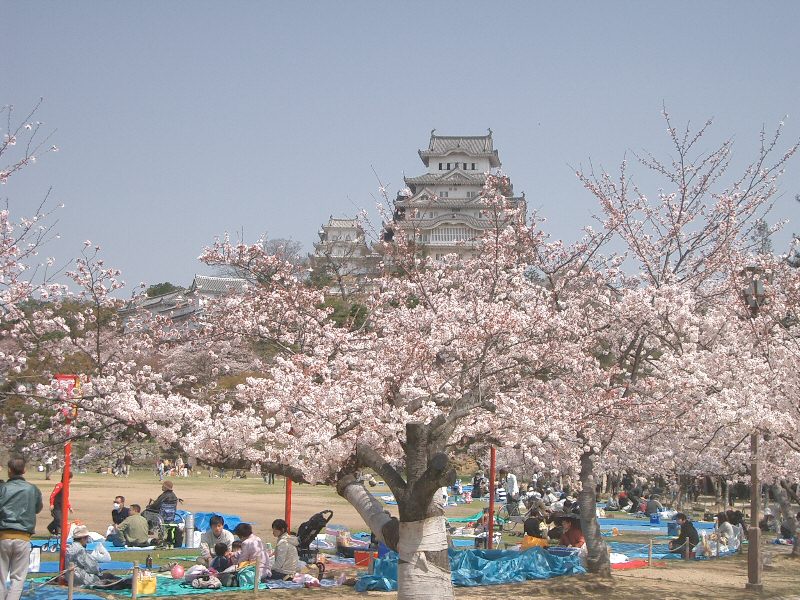 Decoration
Hanami花見
The Japanese tradition of gathering to enjoy cherry blossoms in spring
🇯🇵 Japan and 7 more · Custom, Jan to May
Decoration
Hanami花見
The Japanese tradition of gathering to enjoy cherry blossoms in spring
🇯🇵 Japan and 7 more · Custom, Jan to May
 Decoration
May Day Festival
A spring festival with flowers, greenery, maypoles and bonfires on the first of May
🇮🇪 Ireland and 5 more · Custom, May
Decoration
May Day Festival
A spring festival with flowers, greenery, maypoles and bonfires on the first of May
🇮🇪 Ireland and 5 more · Custom, May
 Decoration
May devotions to the Blessed Virgin Mary
Month-long Catholic customs honouring Mary with flowers, altars, and processions
🇮🇹 Italy and 7 more · Custom, May
Decoration
May devotions to the Blessed Virgin Mary
Month-long Catholic customs honouring Mary with flowers, altars, and processions
🇮🇹 Italy and 7 more · Custom, May
 Decoration
Arabesque
A rhythmic pattern of scrolling foliage and lines in Islamic and European art
🇪🇬 Egypt and 3 more · Art or design
Decoration
Arabesque
A rhythmic pattern of scrolling foliage and lines in Islamic and European art
🇪🇬 Egypt and 3 more · Art or design