
Bergenia
A hardy perennial with large leaves and clusters of pink flowers
Bergenia is a group of evergreen perennials with thick, rounded leaves and clusters of pink to red flowers. Native to mountain regions of Central and East Asia, these plants are valued in gardens for their resilience and changing leaf colors, and some species are used in traditional medicine.
- Leaves turn red or bronze in cold weather
- Flowers range from white and pink to red and purple
- Known as 'pigsqueak' for the sound of its leaves
- Used in traditional Ayurvedic medicine
- Grows wild from Afghanistan to China and Mongolia
What does Bergenia look like?
Bergenia plants form dense clumps with large, leathery leaves shaped like an ear or a heart. The leaves are glossy green most of the year, often turning red or bronze in cooler weather. In spring, upright stems carry clusters of bell-shaped flowers, mostly in shades of pink, but some types have white, red, or purple blooms. The leaves can make a squeaking sound when rubbed together, which is why one nickname is 'pigsqueak.'
Where does Bergenia come from?
Bergenia grows wild in the mountains stretching from Afghanistan through the Himalayas to China and Mongolia. The genus was named in 1794 by Conrad Moench, who chose to honor Karl August von Bergen, a German botanist. Over time, Bergenia has become a popular garden plant in many temperate regions, especially valued for its ability to withstand cold and heat.
When and how Bergenia blooms
These perennials thrive in both sun and shade, and can handle a wide range of temperatures. They prefer moist, rich soil but will tolerate less ideal conditions. Gardeners usually grow them from divisions or pieces of rhizome. Bergenia is often planted for its foliage as well as its spring flowers, and several cultivars are available for gardens.


How Bergenia is used
Bergenia is mainly grown for its decorative leaves and flowers in gardens and parks. Some species, such as Bergenia ciliata and Bergenia ligulata, are sources of compounds used in Ayurveda under the name Paashaanbhed. The rhizomes are collected for these traditional uses. Bergenia is not widely used for cut flowers but is valued for ground cover and year-round interest.
Kinds of Bergenia
There are ten recognized species of Bergenia, including Bergenia crassifolia, which is widely grown in gardens, and Bergenia ciliata, known for its use in traditional medicine. Cultivars like 'Purpurea', 'Winterglut', and 'Senior' are popular for their leaf color and flower form. Some species have varieties with different heights, leaf sizes, or flower colors.
What Bergenia means
Bergenia is appreciated in horticulture for its toughness and attractive foliage, especially in colder climates where the leaves turn vivid colors in autumn. Its common names reflect its appearance and the sounds its leaves make. In traditional medicine, especially Ayurveda, extracts from certain species are used for their supposed health benefits. Bergenia has also received awards for garden merit.
Questions people ask about Bergenia
Where does Bergenia come from?
Bergenia is native to mountain regions in Central and East Asia, including areas from Afghanistan through the Himalayas to China and Mongolia.
What does Bergenia look like?
It has large, leathery leaves shaped like ears or hearts, and produces clusters of bell-shaped flowers in pink, white, red, or purple during spring.
How is Bergenia used?
Bergenia is mainly grown for its decorative value in gardens. Some species are used in traditional Ayurvedic medicine, where compounds from the rhizomes are valued.
Why is it called 'pigsqueak'?
The nickname 'pigsqueak' comes from the squeaky noise made when two Bergenia leaves are rubbed together.
Are there different types of Bergenia?
Yes, there are ten recognized species, with several garden cultivars differing in flower color, leaf size, and hardiness.
Good reading and sources
- Bergenia cordifolia 'Rosa Zeiten'Royal Horticultural Society, Article
- USDA Plants DatabaseUS Department of Agriculture, Article
- Plants of the World OnlineRoyal Botanic Gardens, Kew, Plant database
- Where it has been recordedGBIF, Plant database
- Sightings and photos by naturalistsiNaturalist, Plant database
The facts on this page come from the Wikipedia article "Bergenia", written by its contributors and used under the CC BY-SA 4.0 licence, and from its Wikidata record (CC0). EveryPhool rewrote the text in its own words, with AI assistance, and compares every page with the article to make sure no passage is copied. It may be reused under the same CC BY-SA 4.0 licence with a link back.
It may contain mistakes. It is not medical or foraging advice: many flowers are poisonous, and traditional uses are reported, not recommended. If something is wrong, tell us. Last refreshed 2026-10-03.
Others in the family Saxifragaceae
The whole family Heuchera
Evergreen perennials with colorful leaves and delicate spring flowers
🇺🇸 United States and 2 more · Wildflower
Heuchera
Evergreen perennials with colorful leaves and delicate spring flowers
🇺🇸 United States and 2 more · Wildflower
 Purple mountain saxifrageSaxifraga oppositifolia
A mat-forming purple flower of Arctic and high mountain regions
🇨🇦 Canada and 4 more · Wildflower
Purple mountain saxifrageSaxifraga oppositifolia
A mat-forming purple flower of Arctic and high mountain regions
🇨🇦 Canada and 4 more · Wildflower
 Saxifraga
Small alpine and meadow plants known for their star-shaped flowers
🇨🇦 Canada and 4 more · Wildflower
Saxifraga
Small alpine and meadow plants known for their star-shaped flowers
🇨🇦 Canada and 4 more · Wildflower
 Saxifraga cotyledon
A white-flowered saxifrage from northern and mountain regions of Europe
🇳🇴 Norway and 1 more · Wildflower
Saxifraga cotyledon
A white-flowered saxifrage from northern and mountain regions of Europe
🇳🇴 Norway and 1 more · Wildflower
More from China
All the flowers of China RoseRosa
Prickly flowering shrubs grown across the world for fragrant blossoms and rose hips
🇨🇳 China and 7 more · Flowering shrub
RoseRosa
Prickly flowering shrubs grown across the world for fragrant blossoms and rose hips
🇨🇳 China and 7 more · Flowering shrub
 PeachPrunus persica
A flowering fruit tree from China, grown for its pink blossoms and sweet fruit
🇨🇳 China and 7 more · Flowering tree
PeachPrunus persica
A flowering fruit tree from China, grown for its pink blossoms and sweet fruit
🇨🇳 China and 7 more · Flowering tree
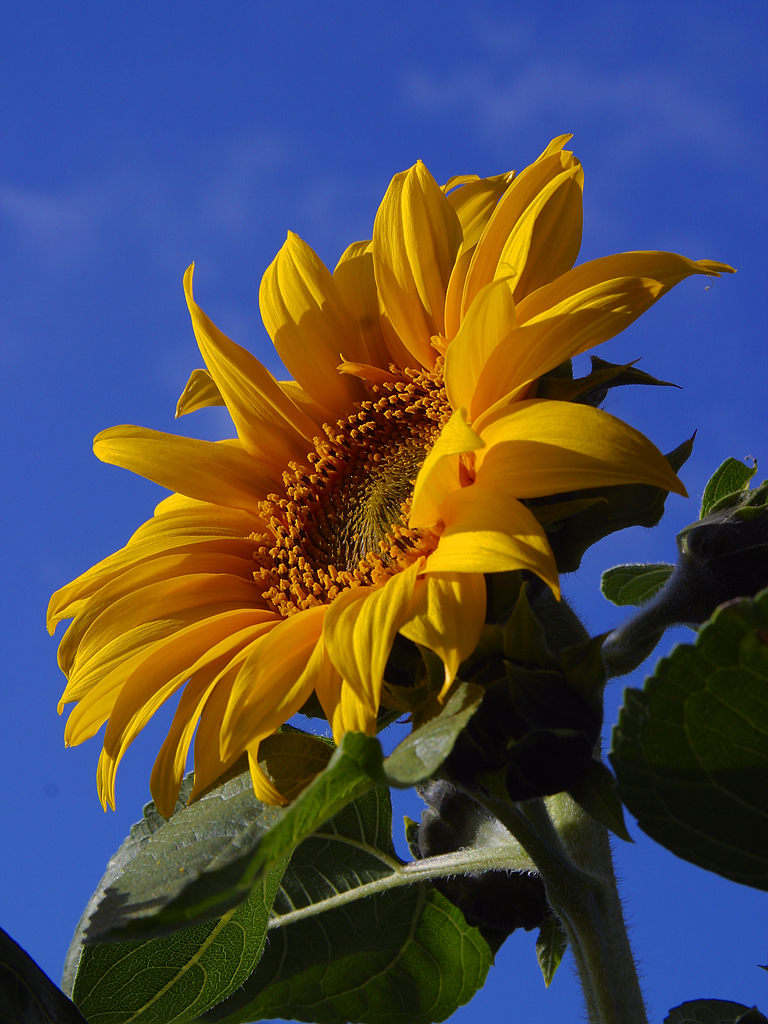 Common sunflowerHelianthus annuus
A tall annual plant grown for its large yellow flower heads and edible seeds
🇨🇦 Canada and 4 more · Wildflower
Common sunflowerHelianthus annuus
A tall annual plant grown for its large yellow flower heads and edible seeds
🇨🇦 Canada and 4 more · Wildflower
 PomegranatePunica granatum
A shrub with bright red flowers and a fruit full of edible seeds
🇮🇷 Iran and 9 more · Flowering shrub
PomegranatePunica granatum
A shrub with bright red flowers and a fruit full of edible seeds
🇮🇷 Iran and 9 more · Flowering shrub