
Firecrackerbush
Bouvardia ternifolia, family Rubiaceae
A red-flowered shrub grown for its clusters of tubular blooms
Firecrackerbush (Bouvardia ternifolia) is a shrub with vivid scarlet flowers, native to Mexico and found as far north as the southwestern United States and as far south as Honduras. Its long, tube-shaped blossoms attract hummingbirds and make it a popular ornamental plant.
- Clusters of bright red, tubular flowers up to 10 cm long
- Native to Mexico, also found in parts of the US and Honduras
- Popular in gardens for its showy blooms
- Hummingbirds are frequent visitors to the flowers
- Contains the compound Bouvardin
What does Firecrackerbush look like?
Firecrackerbush is a shrub that can reach about 120 cm in height. Its leaves are dark green and shaped like narrow ovals. The plant is best known for its clusters of bright red, tube-shaped flowers, each up to 10 cm long, which grow at the ends of its branches. These striking blooms are especially attractive to hummingbirds.
Where does Firecrackerbush come from?
This plant is native to Mexico, with its natural range stretching north into Arizona, New Mexico, and Texas in the United States, and southward into Honduras. It grows wild in these areas and has become well known for its showy flowers. Over time, it has been introduced into gardens as an ornamental shrub.
When and how Firecrackerbush blooms
Firecrackerbush blooms in clusters at the tips of its branches. It is usually grown in gardens for its decorative flowers. The plant is propagated for its ornamental value, but the sources do not describe the specific growing methods or requirements.
How Firecrackerbush is used
People grow firecrackerbush mainly for its bright, attractive flowers, which add color to gardens and landscapes. The flowers are also valued for drawing hummingbirds. There are no traditions or ceremonial uses mentioned in the sources.
Kinds of Firecrackerbush
The sources do not mention any named varieties or cultivars of Bouvardia ternifolia. It is grown and recognized mainly in its wild form.
What Firecrackerbush means
Firecrackerbush is appreciated for its ornamental qualities and its ability to attract hummingbirds. The plant contains a compound called Bouvardin, which has shown some anti-cancer properties in studies, but it is not used in traditional medicine or as a symbol in culture according to the sources.
Questions people ask about Firecrackerbush
Where does firecrackerbush come from?
Firecrackerbush is native to Mexico and also grows in the southwestern United States and Honduras.
What does firecrackerbush look like?
It is a shrub up to 120 cm tall with dark green, narrow leaves and clusters of long, bright red tubular flowers.
What is firecrackerbush used for?
It is mainly grown as an ornamental plant in gardens, valued for its vivid flowers and for attracting hummingbirds.
Does firecrackerbush have any special meaning or uses in tradition?
The sources do not mention any symbolic or traditional uses for firecrackerbush.
Are there any notable chemicals in firecrackerbush?
Yes, it contains Bouvardin, a compound that has shown some anti-cancer activity in studies.
Good reading and sources
- Lady Bird Johnson Wildflower CenterLady Bird Johnson Wildflower Center, Article
- USDA Plants DatabaseUS Department of Agriculture, Article
- Plants of the World OnlineRoyal Botanic Gardens, Kew, Plant database
- Where it has been recordedGBIF, Plant database
- Sightings and photos by naturalistsiNaturalist, Plant database
- Bouvardia ternifolia on WikipediaEncyclopedia
- More photos on Wikimedia CommonsPhotos
- Wikidata recordOpen data
The facts on this page come from the Wikipedia article "Bouvardia ternifolia", written by its contributors and used under the CC BY-SA 4.0 licence, and from its Wikidata record (CC0). Phool rewrote the text in its own words, with AI assistance, and compares every page with the article to make sure no passage is copied. It may be reused under the same CC BY-SA 4.0 licence with a link back.
It may contain mistakes. It is not medical or foraging advice: many flowers are poisonous, and traditional uses are reported, not recommended. If something is wrong, tell us. Last refreshed 2026-10-03.
Others in the family Rubiaceae
The whole family Arabian coffeeCoffea arabica
The white-flowered shrub whose beans make most of the world’s coffee
🇪🇹 Ethiopia and 4 more · Wildflower
Arabian coffeeCoffea arabica
The white-flowered shrub whose beans make most of the world’s coffee
🇪🇹 Ethiopia and 4 more · Wildflower
 Mussaenda erythrophylla
A West African shrub with bright, colourful bracts and star-shaped flowers
🇬🇦 Gabon · Flowering shrub
Mussaenda erythrophylla
A West African shrub with bright, colourful bracts and star-shaped flowers
🇬🇦 Gabon · Flowering shrub
 Mussaenda philippicaAgboy
A tropical shrub with showy, petal-like bracts grown for gardens
🇵🇭 Philippines · Garden flower
Mussaenda philippicaAgboy
A tropical shrub with showy, petal-like bracts grown for gardens
🇵🇭 Philippines · Garden flower
 Mussaenda
Tropical flowering shrubs and climbers grown for their ornamental blooms
Mussaenda · Wildflower
Mussaenda
Tropical flowering shrubs and climbers grown for their ornamental blooms
Mussaenda · Wildflower
More from Mexico
All the flowers of Mexico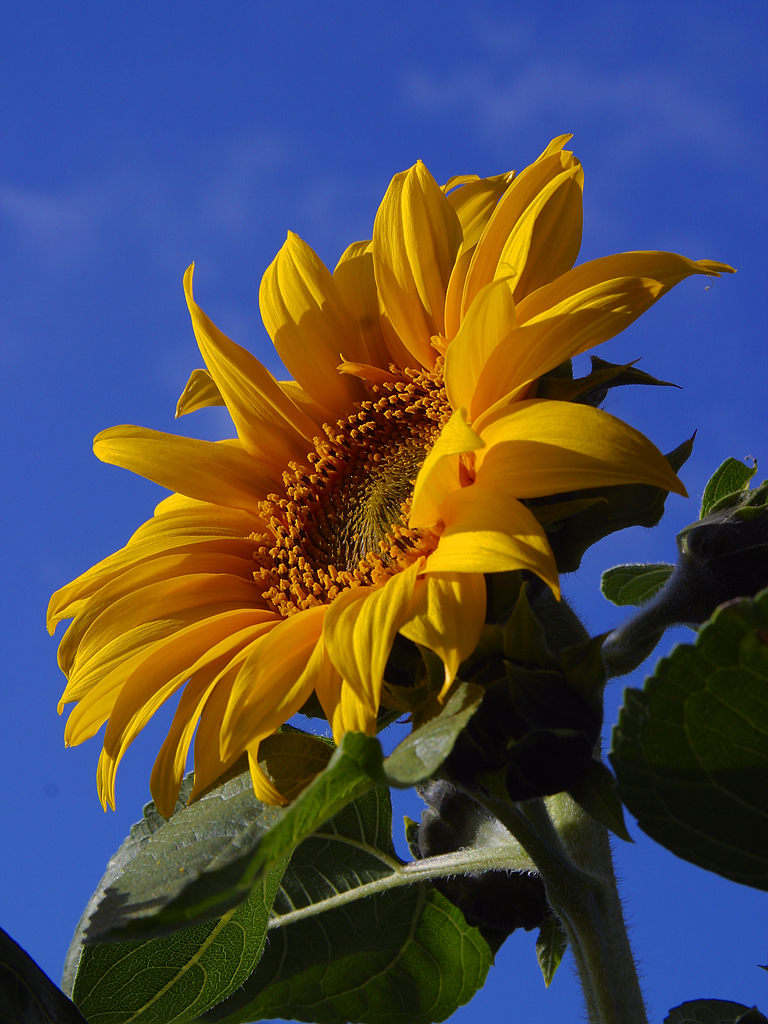 Common sunflowerHelianthus annuus
A tall annual plant grown for its large yellow flower heads and edible seeds
🇨🇦 Canada and 4 more · Wildflower
Common sunflowerHelianthus annuus
A tall annual plant grown for its large yellow flower heads and edible seeds
🇨🇦 Canada and 4 more · Wildflower
 CactusCactaceae
Succulent plants with spines, native to the Americas
🇲🇽 Mexico and 7 more · Wildflower
CactusCactaceae
Succulent plants with spines, native to the Americas
🇲🇽 Mexico and 7 more · Wildflower
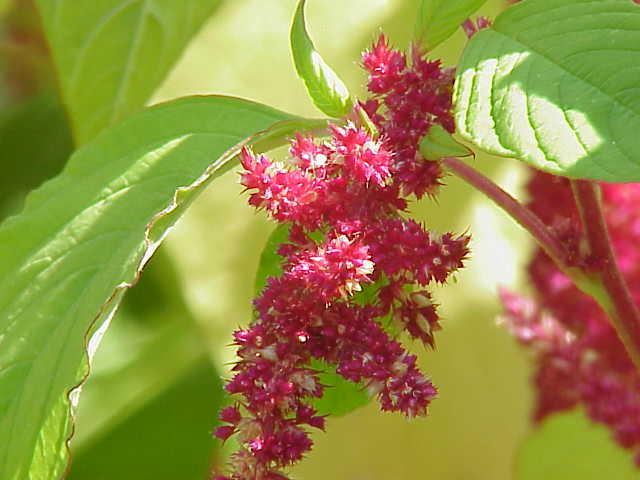 AmaranthAmaranthus
A tall, colourful plant grown for its flowers, leaves and edible seeds
🇲🇽 Mexico and 7 more · Wildflower
AmaranthAmaranthus
A tall, colourful plant grown for its flowers, leaves and edible seeds
🇲🇽 Mexico and 7 more · Wildflower
 HawthornCrataegus
A thorny shrub or tree with white or pink spring flowers and small edible fruits
🇮🇪 Ireland and 7 more · Wildflower
HawthornCrataegus
A thorny shrub or tree with white or pink spring flowers and small edible fruits
🇮🇪 Ireland and 7 more · Wildflower