
Lady's purse
Calceolaria, family Calceolariaceae
Pouch-shaped yellow and orange blooms from the Americas
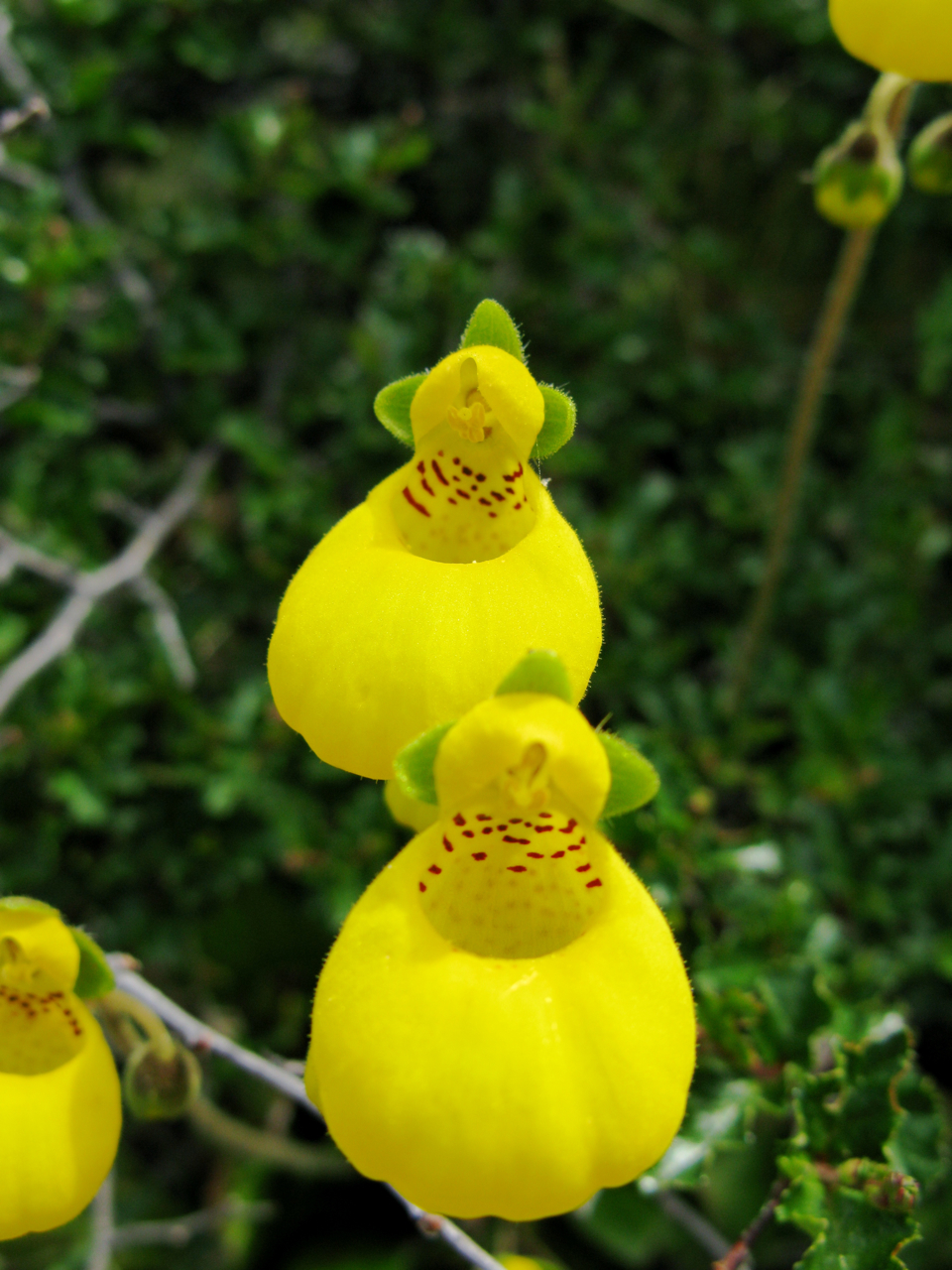
Calceolaria is a genus of herbs, shrubs, and lianas native to the Americas from Mexico to Patagonia. Known for pouch-like blooms in yellow or orange with red or purple speckles, they are widely grown as ornamental plants.
- The genus includes about 269 species of herbs, shrubs, and climbing lianas.
- Blooms are usually yellow or orange and can feature red or purple speckles.
- Native to the Americas, stretching from central Mexico down to Patagonia.
- The Herbeohybrida hybrid group is grown as an ornamental known as florists' slipperwort.
What does Lady's purse look like?
Calceolaria is a botanical genus comprising around 269 recognized species of herbs, woody shrubs, and climbing lianas. The plants are best recognized for their uniquely shaped blossoms, which resemble small pouches, slippers, or purses. These flowers most commonly appear in vivid shades of yellow or bright orange. In many varieties, the petals display contrasting spots or speckles in rich red or deep purple tones. Because of their distinctive floral shapes and bright color palettes, these plants are widely recognized under several common names that describe their pocket-like form.
Where does Lady's purse come from?
Wild populations of Calceolaria grow naturally across the Americas. Their native territory spans a vast geographic range, extending from central Mexico all the way south to Patagonia. The primary center of species diversity for the entire genus lies across the Andean region. Botanists place the group in the family Calceolariaceae, though some authors have classified them as members of Scrophulariaceae instead. As of late 2025, international plant databases recognize 269 accepted species.

How Lady's purse is used
People cultivate Calceolaria primarily for its decorative floral display. Selected types and artificial hybrids are grown indoors and in domestic gardens as ornamental plants. The hybrid strains developed for floral displays are often maintained in pots to highlight their unusual pouch-shaped blossoms. Because certain varieties exist entirely within cultivation, they have become popular potted selections for home growers and florists seeking unusual yellow and spotted blooms.
Kinds of Lady's purse
Among the many types, the Calceolaria Herbeohybrida group, also categorized botanically as Calceolaria herbeohybrida Voss, is particularly notable. Known commonly as florists' slipperwort, this collection consists of ornamental hybrids that do not occur in the wild and are known only in cultivation. Across the broader genus, wild species differ considerably in their growing habits, ranging from low-growing herbs to woody shrubs and climbing lianas.
Questions people ask about Lady's purse
Where does Calceolaria come from?
Calceolaria is native to the Americas. Its natural territory extends from central Mexico all the way to Patagonia, with the greatest concentration of wild species found in the Andean region.
What do Calceolaria flowers look like?
The flowers resemble pouches, slippers, or small purses. They are typically yellow or orange in color and often feature decorative markings, such as spots in shades of red or purple.
What kinds of plants belong to this genus?
The genus contains roughly 269 species with diverse growth forms. These include low herbaceous plants, upright woody shrubs, and climbing lianas, as well as cultivated hybrid groups bred specifically for decoration.
What is florists' slipperwort?
Florists' slipperwort refers to the Calceolaria Herbeohybrida group. These are ornamental hybrid plants created for decorative growing that exist solely in cultivation rather than growing in natural wild habitats.
Good reading and sources
- Encyclopaedia BritannicaArticle
- USDA Plants DatabaseUS Department of Agriculture, Article
- Plants of the World OnlineRoyal Botanic Gardens, Kew, Plant database
- Where it has been recordedGBIF, Plant database
- Sightings and photos by naturalistsiNaturalist, Plant database
The facts on this page come from the Wikipedia article "Calceolaria", written by its contributors and used under the CC BY-SA 4.0 licence, and from its Wikidata record (CC0). EveryPhool rewrote the text in its own words, with AI assistance, and compares every page with the article to make sure no passage is copied. It may be reused under the same CC BY-SA 4.0 licence with a link back.
It may contain mistakes. It is not medical or foraging advice: many flowers are poisonous, and traditional uses are reported, not recommended. If something is wrong, tell us. Last refreshed 2026-10-04.
More from Mexico
All the flowers of Mexico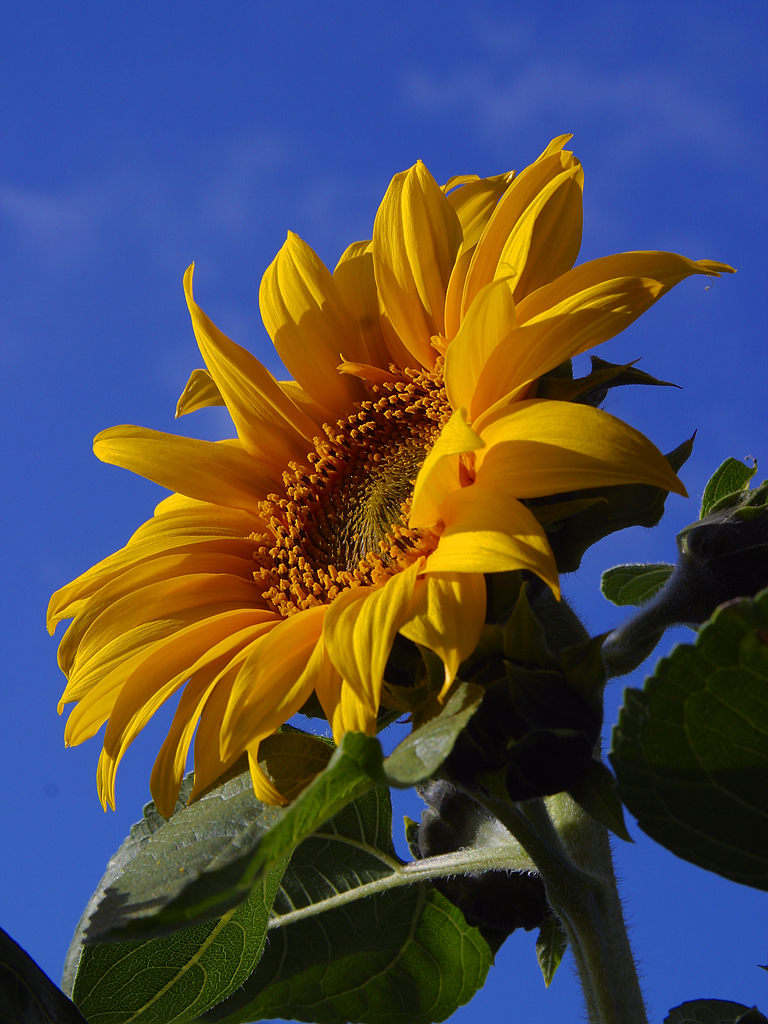 Common sunflowerHelianthus annuus
A tall annual plant grown for its large yellow flower heads and edible seeds
🇨🇦 Canada and 4 more · Wildflower
Common sunflowerHelianthus annuus
A tall annual plant grown for its large yellow flower heads and edible seeds
🇨🇦 Canada and 4 more · Wildflower
 CactusCactaceae
Succulent plants with spines, native to the Americas
🇲🇽 Mexico and 7 more · Wildflower
CactusCactaceae
Succulent plants with spines, native to the Americas
🇲🇽 Mexico and 7 more · Wildflower
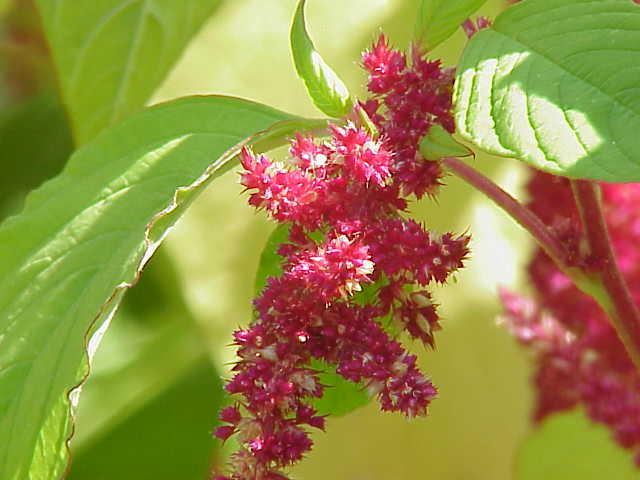 AmaranthAmaranthus
A tall, colourful plant grown for its flowers, leaves and edible seeds
🇲🇽 Mexico and 7 more · Wildflower
AmaranthAmaranthus
A tall, colourful plant grown for its flowers, leaves and edible seeds
🇲🇽 Mexico and 7 more · Wildflower
 HawthornCrataegus
A thorny shrub or tree with white or pink spring flowers and small edible fruits
🇮🇪 Ireland and 7 more · Wildflower
HawthornCrataegus
A thorny shrub or tree with white or pink spring flowers and small edible fruits
🇮🇪 Ireland and 7 more · Wildflower