
Castilleja
Wildflowers with bright bracts known as Indian paintbrush or prairie-fire
Castilleja is a group of about 200 species of annual and perennial plants, mainly found in western North and South America, with some species in northern Asia and Russia. These wildflowers are known for their colorful bracts and are called Indian paintbrush or prairie-fire; they play a role in local ecosystems and are state symbols in places like Wyoming.
- Castilleja is called Indian paintbrush or prairie-fire.
- Most species are native to the Americas, with some in Asia and Russia.
- Castilleja linariifolia is Wyoming's state flower.
- The plants are hemiparasitic, drawing nutrients from other plants.
- Some species can be toxic due to selenium uptake.
What does Castilleja look like?
Castilleja plants vary widely in size and form, from tiny annuals just a centimeter tall to woody shrubs reaching up to two meters. Most are herbaceous, with some species showing woody stems. Their leaves are usually arranged alternately along the stem. The most striking feature is the cluster of brightly colored bracts—often red, orange, or yellow—at the stem tips, which surround the less conspicuous flowers.
Where does Castilleja come from?
The genus Castilleja is native mainly to the western Americas, stretching from Alaska through the Andes, with a few species in northern Asia and one reaching the Kola Peninsula in Russia. The genus was named in honor of Spanish botanist Domingo Castillejo. First described scientifically in 1782, Castilleja now includes over 200 species, with more than half native to North America north of Mexico.
When and how Castilleja blooms
Castilleja species can be annual or perennial. They grow in a range of habitats, often in grasslands or open woodlands. These plants are hemiparasitic, meaning they attach their roots to those of other plants, especially grasses and forbs, to draw nutrients. Their flowers bloom at the tips of stems, surrounded by colorful bracts that attract pollinators like insects and hummingbirds.


How Castilleja is used
Castilleja is best known as a wildflower and as the state flower of Wyoming. Some sources claim the flowers are edible, but the plant can absorb toxic selenium from the soil, making it dangerous to eat, especially the roots and green parts. Castilleja species are important in their native habitats, supporting butterflies and other insects.
Kinds of Castilleja
There are about 216 recognized species of Castilleja, with great diversity in size, form, and color. Some species can hybridize, which may threaten rare types. Notable species include Castilleja linariifolia, the state flower of Wyoming, and Castilleja coccinea, known as scarlet paintbrush.
What Castilleja means
Castilleja linariifolia is the state flower of Wyoming. The genus is featured in legends and children’s literature, such as 'The Legend of the Indian Paintbrush.' Its vivid bracts have made it a symbol of wild beauty in North America. However, its potential toxicity means it is not widely used in food or medicine.
Where to see Castilleja
 🇺🇸 Ashford · Jul to AugSubalpine meadows at Paradise, Mount RainierHigh meadows on the south side of Mount Rainier that flower in a rush as the snow melts in late July and August.
 🇺🇸 Crested Butte · Jun to AugWildflower season in Crested ButteA former mining town high in the Colorado Rockies, surrounded in July by meadows of columbine, lupine and sunflowers.
Questions people ask about Castilleja
Where does Castilleja come from?
Castilleja is native mainly to the western parts of the Americas, from Alaska down to the Andes, with a few species found in northern Asia and as far west as northwestern Russia.
What does Castilleja look like?
Castilleja species range from small annual herbs to woody shrubs. They are best known for their bright red, orange, or yellow bracts at the tips of their stems, which surround the small flowers.
Is Castilleja edible or toxic?
Some sources say the flowers are edible, but Castilleja plants can absorb and concentrate selenium from the soil, making them potentially very toxic, especially if the roots or green parts are eaten.
What is Castilleja used for?
Castilleja is mainly valued as a wildflower and as a state symbol, such as in Wyoming. It is important in local ecosystems, supporting butterflies and other insects.
What does Castilleja symbolize?
Castilleja linariifolia is the state flower of Wyoming and is often seen as a symbol of wild beauty in North America.
Good reading and sources
- Encyclopaedia BritannicaArticle
- USDA Plants DatabaseUS Department of Agriculture, Article
- Plants of the World OnlineRoyal Botanic Gardens, Kew, Plant database
- Where it has been recordedGBIF, Plant database
- Sightings and photos by naturalistsiNaturalist, Plant database
The facts on this page come from the Wikipedia article "Castilleja", written by its contributors and used under the CC BY-SA 4.0 licence, and from its Wikidata record (CC0). Phool rewrote the text in its own words, with AI assistance, and compares every page with the article to make sure no passage is copied. It may be reused under the same CC BY-SA 4.0 licence with a link back.
It may contain mistakes. It is not medical or foraging advice: many flowers are poisonous, and traditional uses are reported, not recommended. If something is wrong, tell us. Last refreshed 2026-10-03.
Others in the family Orobanchaceae
The whole family Castilleja exserta
A pink-purple wildflower and butterfly host from the American Southwest and Mexico
🇺🇸 United States and 1 more · Wildflower
Castilleja exserta
A pink-purple wildflower and butterfly host from the American Southwest and Mexico
🇺🇸 United States and 1 more · Wildflower
 Wyoming paintbrushCastilleja linariifolia
The tall, red-tipped wildflower that is Wyoming’s state flower
🇺🇸 United States and 1 more · Wildflower
Wyoming paintbrushCastilleja linariifolia
The tall, red-tipped wildflower that is Wyoming’s state flower
🇺🇸 United States and 1 more · Wildflower
 Giant red Indian paintbrushCastilleja miniata
A wildflower with vivid red to orange bracts and yellow-green tubular flowers
Castilleja miniata · Wildflower
Giant red Indian paintbrushCastilleja miniata
A wildflower with vivid red to orange bracts and yellow-green tubular flowers
Castilleja miniata · Wildflower
More from Mexico
All the flowers of Mexico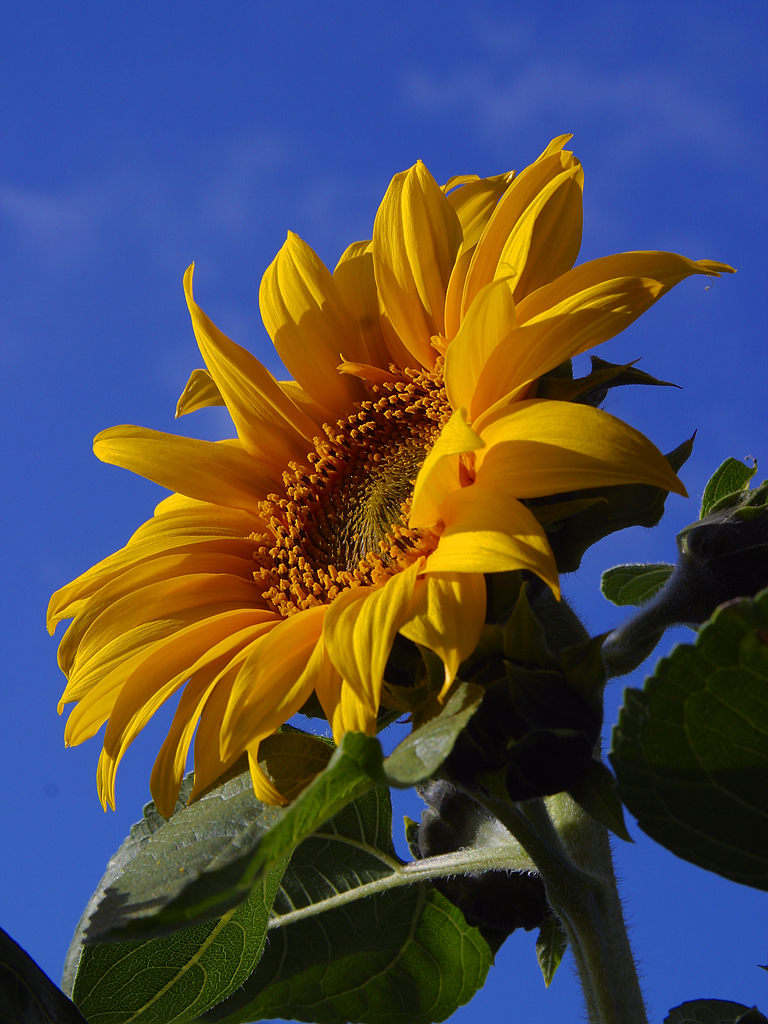 Common sunflowerHelianthus annuus
A tall annual plant grown for its large yellow flower heads and edible seeds
🇨🇦 Canada and 4 more · Wildflower
Common sunflowerHelianthus annuus
A tall annual plant grown for its large yellow flower heads and edible seeds
🇨🇦 Canada and 4 more · Wildflower
 CactusCactaceae
Succulent plants with spines, native to the Americas
🇲🇽 Mexico and 7 more · Wildflower
CactusCactaceae
Succulent plants with spines, native to the Americas
🇲🇽 Mexico and 7 more · Wildflower
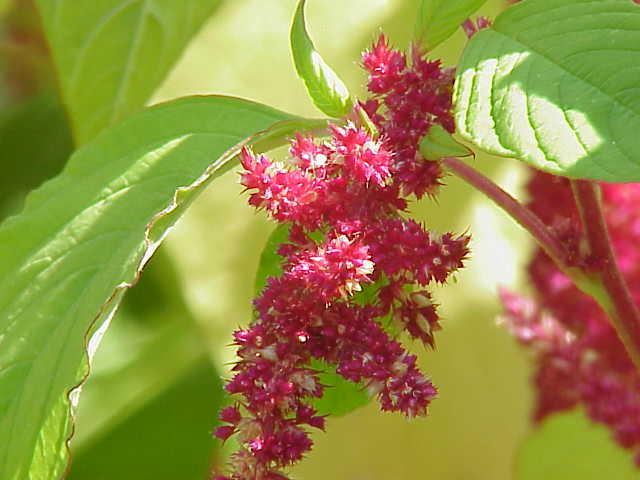 AmaranthAmaranthus
A tall, colourful plant grown for its flowers, leaves and edible seeds
🇲🇽 Mexico and 7 more · Wildflower
AmaranthAmaranthus
A tall, colourful plant grown for its flowers, leaves and edible seeds
🇲🇽 Mexico and 7 more · Wildflower
 HawthornCrataegus
A thorny shrub or tree with white or pink spring flowers and small edible fruits
🇮🇪 Ireland and 7 more · Wildflower
HawthornCrataegus
A thorny shrub or tree with white or pink spring flowers and small edible fruits
🇮🇪 Ireland and 7 more · Wildflower