
Cup-and-saucer vine
Cobaea scandens, family Polemoniaceae
A climbing vine from Mexico with bell-shaped flowers that shift from white to purple
Cup-and-saucer vine is a perennial climber from Mexico, grown for its large, bell-like flowers that start white and turn violet as they age. Its hooked tendrils help it cling to supports, making it popular in gardens for covering trellises and fences.
- Native to Mexico and grown widely as a garden climber
- Flowers open white and turn violet as they age
- Tendrils have tiny hooks that grip supports
- Mature flowers have a noticeable scent
- Studied by Charles Darwin for its climbing ability
What does Cup-and-saucer vine look like?
Cup-and-saucer vine is a fast-growing plant that climbs using slender tendrils tipped with tiny hooks. Its leaves are made up of four leaflets and a curling tendril. The flowers are large, facing outward, and shaped like bells with a ruffled edge, first opening white and then turning violet as they mature. The scent of the mature flowers is noticeable. The plant produces capsule-shaped fruits filled with seeds.
Where does Cup-and-saucer vine come from?
Native to Mexico, Cobaea scandens can also be found in some parts of Central and South America. The Latin name 'scandens' points to its climbing nature. It has been grown in gardens far from its original home because of its decorative flowers and vigorous growth. Charles Darwin studied this vine in the 19th century, noting the remarkable speed and sensitivity of its tendrils.
When and how Cup-and-saucer vine blooms
In temperate climates, gardeners usually start this vine indoors in early spring, then move it outside once frost is past. It grows quickly, using its hooked tendrils to cling to supports. The plant thrives in warm conditions and is often grown as an annual where winters are cold. There is also a white-flowered form called C. scandens f. alba.

How Cup-and-saucer vine is used
People grow cup-and-saucer vine mainly for its ability to cover fences, trellises, and walls with lush foliage and colorful flowers. Its ornamental value comes from both the changing color of its blooms and its rapid growth. In its native range, bats pollinate the flowers. It is not known for use in ceremonies or as a symbol.
Kinds of Cup-and-saucer vine
Besides the typical form with flowers that shift from white to purple, there is a variety with all-white blooms. The plant is known for its vigorous climbing and the unique structure of its tendrils, which set it apart from other climbers.
What Cup-and-saucer vine means
Cup-and-saucer vine is grown in gardens for its decorative qualities. It has attracted scientific interest, especially from Charles Darwin, who admired the plant's rapid and sensitive tendril movements. The plant is valued for its ability to quickly cover structures with attractive flowers.
Questions people ask about Cup-and-saucer vine
Where does the cup-and-saucer vine come from?
This vine is native to Mexico and has also been found in some parts of Central and South America. It is now grown in gardens in many other regions for its ornamental flowers.
What do the flowers look like?
The flowers are large, bell-shaped, and face outward. They start out white and gradually turn violet as they mature, with a ruffled edge that gives them a cup-and-saucer appearance.
How does the plant climb?
It climbs by using long, flexible tendrils tipped with tiny, sharp hooks. These hooks catch onto supports, letting the vine quickly cover trellises and fences.
Is the cup-and-saucer vine fragrant?
Yes, the mature flowers have a noticeable scent, which adds to their appeal in gardens.
Are there different types of this vine?
There is a white-flowered form called C. scandens f. alba, in addition to the usual type that changes from white to purple.
Good reading and sources
- Plants of the World OnlineRoyal Botanic Gardens, Kew, Plant database
- Where it has been recordedGBIF, Plant database
- Sightings and photos by naturalistsiNaturalist, Plant database
- Cobaea scandens on WikipediaEncyclopedia
- More photos on Wikimedia CommonsPhotos
- Wikidata recordOpen data
The facts on this page come from the Wikipedia article "Cobaea scandens", written by its contributors and used under the CC BY-SA 4.0 licence, and from its Wikidata record (CC0). Phool rewrote the text in its own words, with AI assistance, and compares every page with the article to make sure no passage is copied. It may be reused under the same CC BY-SA 4.0 licence with a link back.
It may contain mistakes. It is not medical or foraging advice: many flowers are poisonous, and traditional uses are reported, not recommended. If something is wrong, tell us. Last refreshed 2026-10-03.
Others in the family Polemoniaceae
The whole family Scarlet giliaIpomopsis aggregata
A red, trumpet-flowered wildflower of western North American mountains
🇺🇸 United States and 2 more · Wildflower
Scarlet giliaIpomopsis aggregata
A red, trumpet-flowered wildflower of western North American mountains
🇺🇸 United States and 2 more · Wildflower
 Annual phloxPhlox drummondii
A star-shaped annual flower grown for its many bright colours
🇺🇸 United States and 1 more · Wildflower
Annual phloxPhlox drummondii
A star-shaped annual flower grown for its many bright colours
🇺🇸 United States and 1 more · Wildflower
 Garden phloxPhlox paniculata
A tall, fragrant perennial with pink or purple flower clusters for summer gardens
🇺🇸 United States and 2 more · Garden flower
Garden phloxPhlox paniculata
A tall, fragrant perennial with pink or purple flower clusters for summer gardens
🇺🇸 United States and 2 more · Garden flower
 Phlox
A North American genus with bright, fragrant blooms from spring to fall
Phlox · Wildflower
Phlox
A North American genus with bright, fragrant blooms from spring to fall
Phlox · Wildflower
More from Mexico
All the flowers of Mexico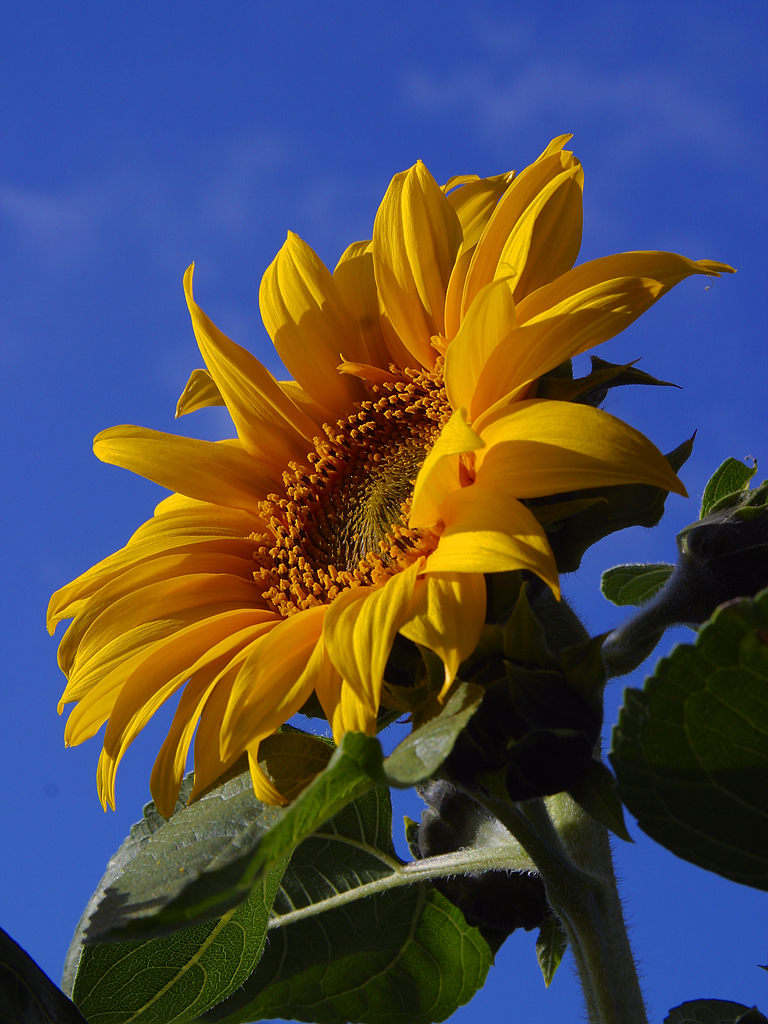 Common sunflowerHelianthus annuus
A tall annual plant grown for its large yellow flower heads and edible seeds
🇨🇦 Canada and 4 more · Wildflower
Common sunflowerHelianthus annuus
A tall annual plant grown for its large yellow flower heads and edible seeds
🇨🇦 Canada and 4 more · Wildflower
 CactusCactaceae
Succulent plants with spines, native to the Americas
🇲🇽 Mexico and 7 more · Wildflower
CactusCactaceae
Succulent plants with spines, native to the Americas
🇲🇽 Mexico and 7 more · Wildflower
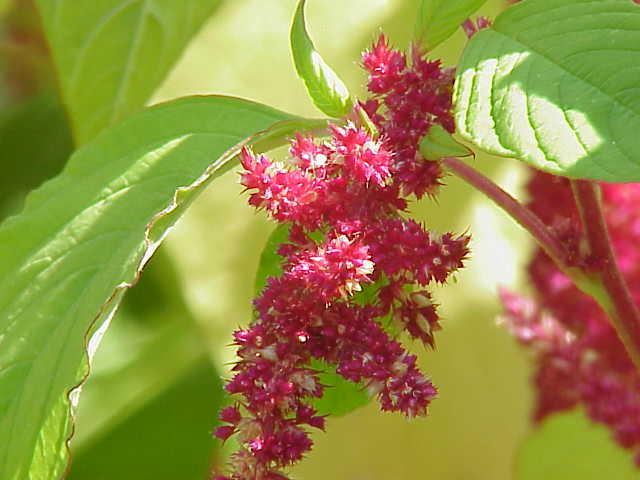 AmaranthAmaranthus
A tall, colourful plant grown for its flowers, leaves and edible seeds
🇲🇽 Mexico and 7 more · Wildflower
AmaranthAmaranthus
A tall, colourful plant grown for its flowers, leaves and edible seeds
🇲🇽 Mexico and 7 more · Wildflower
 HawthornCrataegus
A thorny shrub or tree with white or pink spring flowers and small edible fruits
🇮🇪 Ireland and 7 more · Wildflower
HawthornCrataegus
A thorny shrub or tree with white or pink spring flowers and small edible fruits
🇮🇪 Ireland and 7 more · Wildflower