
Datura
A group of trumpet-shaped, highly toxic flowering plants in the nightshade family
Datura is a genus of leafy annuals and short-lived perennials with large, upright trumpet flowers and spiny seed pods. These plants are known for their toxicity and have a long history in ritual, medicine, and folklore, especially in India, Mexico, and the Americas.
- All parts of Datura are highly poisonous and can be deadly if ingested
- Large, upright trumpet flowers in white, yellow, or pale purple
- Central to rituals and medicine in India and the Americas
- Used in Hindu worship, especially offerings to Shiva
- Known as jimsonweed, thornapple, and devil's trumpet
What does Datura look like?
Datura plants grow as leafy annuals or short-lived perennials, sometimes reaching up to two meters tall. Their leaves are broad and often lobed or toothed. The flowers are large, trumpet-shaped, and stand upright or spread out, with colors ranging from white to pale yellow or purple. After flowering, the plant produces a round, spiny capsule filled with many seeds. All parts of the plant are highly poisonous.
Where does Datura come from?
Most Datura species are found in dry and warm regions, with the greatest diversity in Mexico. Some species, like D. metel and D. ferox, have been reported in Asia and Australia, but these are likely to have been introduced from the Americas long ago. The name 'Datura' comes from Sanskrit and Hindi, reflecting its long presence in Indian culture and medicine.
When and how Datura blooms
Datura is usually grown from seeds found in its spiny fruit. The plants prefer sunny spots and well-drained soil, and can reseed themselves easily in the right conditions. Some species have tuberous roots that allow them to survive mild winters. In gardens, they are often grown as annuals, but can become invasive if not managed.


How Datura is used
Datura has been used in traditional medicine, especially in India, and plays a role in Hindu rituals, such as offerings to Shiva and during Ganesh Chaturthi. Some Native American groups have used it in ceremonies for its hallucinogenic effects. However, its extreme toxicity has also made it infamous as a poison, and it has a history of use in both folk remedies and criminal acts.
Kinds of Datura
There are about nine widely recognized species of Datura, though the exact number is debated due to the plants’ tendency to vary in size and form depending on where they grow. Some species, like D. stramonium and D. innoxia, are especially well known. D. metel is notable for its role in Indian tradition, while D. ferox and D. leichhardtii have been linked to Asia and Australia, though they likely came from the Americas.
What Datura means
Datura is closely tied to myth, ritual, and symbolism. In India, it is offered to Shiva and mentioned in ancient texts. In the West, it is associated with witchcraft and magic. Its psychoactive and toxic properties have made it both revered and feared, and it appears in literature, folklore, and even as a state emblem in some regions.
Where Datura is used and seen

Questions people ask about Datura
Where does Datura come from?
Most Datura species are native to dry and warm regions, with the greatest diversity found in Mexico. Some species have spread to other continents, but their origins are usually traced back to the Americas.
What does Datura look like?
Datura plants are leafy with large, upright trumpet-shaped flowers that can be white, yellow, or pale purple. They produce round, spiny seed capsules after flowering.
Is Datura poisonous?
Yes, all parts of Datura contain strong toxins, especially the seeds and flowers. Ingesting any part of the plant can cause serious illness or death.
How is Datura used in culture or religion?
Datura is used in Hindu rituals, especially as an offering to Shiva and during Ganesh Chaturthi. It has also been used in traditional medicine and in ceremonies by some Native American groups.
What does Datura symbolize?
Datura is linked to both spiritual and mystical practices, symbolizing transformation, danger, and the boundary between life and death in various cultures.
Good reading and sources
- Library of Congress CatalogLibrary of Congress, Article
- USDA Plants DatabaseUS Department of Agriculture, Article
- Plants of the World OnlineRoyal Botanic Gardens, Kew, Plant database
- Where it has been recordedGBIF, Plant database
- Sightings and photos by naturalistsiNaturalist, Plant database
The facts on this page come from the Wikipedia article "Datura", written by its contributors and used under the CC BY-SA 4.0 licence, and from its Wikidata record (CC0). Phool rewrote the text in its own words, with AI assistance, and compares every page with the article to make sure no passage is copied. It may be reused under the same CC BY-SA 4.0 licence with a link back.
It may contain mistakes. It is not medical or foraging advice: many flowers are poisonous, and traditional uses are reported, not recommended. If something is wrong, tell us. Last refreshed 2026-10-03.
Others in the family Solanaceae
The whole family Thorn-appleDatura stramonium
A poisonous, night-blooming plant with trumpet-shaped white or violet flowers
🇨🇳 China and 7 more · Wildflower
Thorn-appleDatura stramonium
A poisonous, night-blooming plant with trumpet-shaped white or violet flowers
🇨🇳 China and 7 more · Wildflower
 Nicotiana
The tobacco plant genus, grown for leaves and garden flowers worldwide
Nicotiana · Wildflower
Nicotiana
The tobacco plant genus, grown for leaves and garden flowers worldwide
Nicotiana · Wildflower
 Petunia
A South American garden flower with trumpet-shaped blooms in many colours
Petunia · Garden flower
Petunia
A South American garden flower with trumpet-shaped blooms in many colours
Petunia · Garden flower
 Datura metelधतूरा
A shrubby plant with trumpet-shaped flowers, grown for ornament and tradition
🇮🇳 India and 4 more · Garden flower
Datura metelधतूरा
A shrubby plant with trumpet-shaped flowers, grown for ornament and tradition
🇮🇳 India and 4 more · Garden flower
More from Mexico
All the flowers of Mexico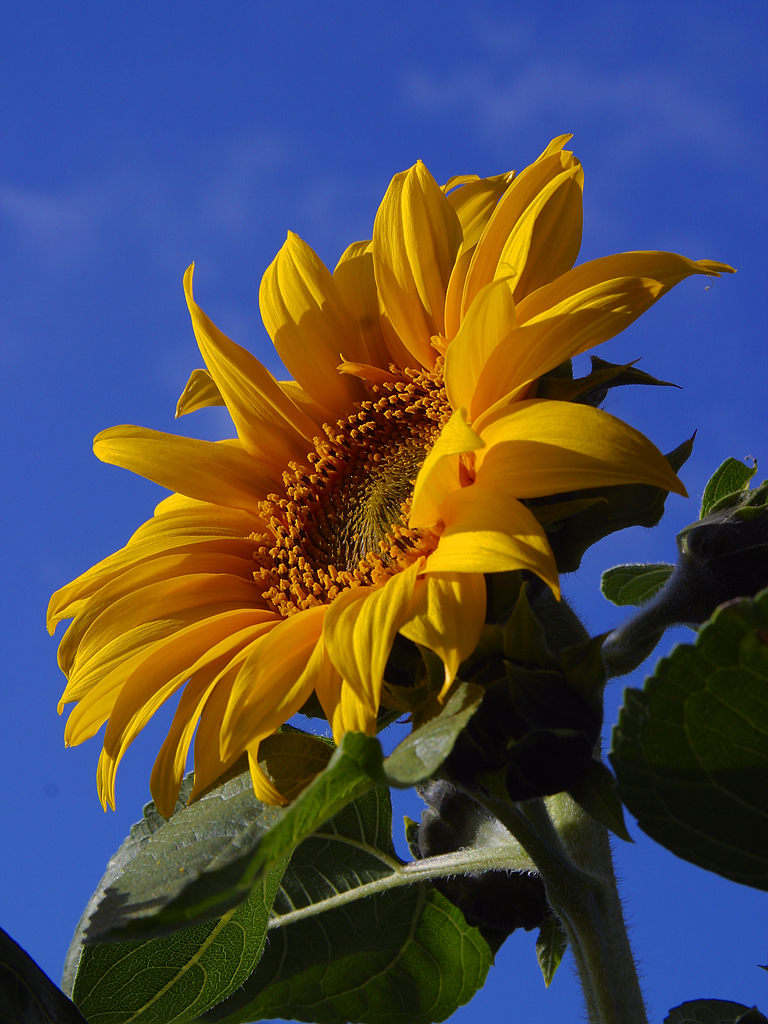 Common sunflowerHelianthus annuus
A tall annual plant grown for its large yellow flower heads and edible seeds
🇨🇦 Canada and 4 more · Wildflower
Common sunflowerHelianthus annuus
A tall annual plant grown for its large yellow flower heads and edible seeds
🇨🇦 Canada and 4 more · Wildflower
 CactusCactaceae
Succulent plants with spines, native to the Americas
🇲🇽 Mexico and 7 more · Wildflower
CactusCactaceae
Succulent plants with spines, native to the Americas
🇲🇽 Mexico and 7 more · Wildflower
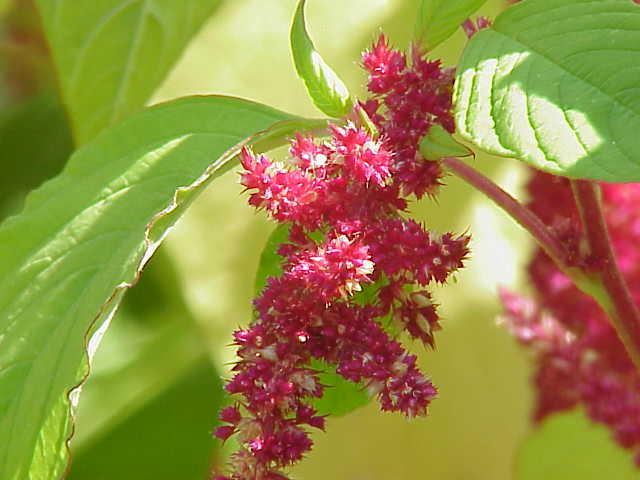 AmaranthAmaranthus
A tall, colourful plant grown for its flowers, leaves and edible seeds
🇲🇽 Mexico and 7 more · Wildflower
AmaranthAmaranthus
A tall, colourful plant grown for its flowers, leaves and edible seeds
🇲🇽 Mexico and 7 more · Wildflower
 HawthornCrataegus
A thorny shrub or tree with white or pink spring flowers and small edible fruits
🇮🇪 Ireland and 7 more · Wildflower
HawthornCrataegus
A thorny shrub or tree with white or pink spring flowers and small edible fruits
🇮🇪 Ireland and 7 more · Wildflower