
Yulan magnolia
Magnolia denudata, family Magnoliaceae
In its own language: 玉兰花
A white-flowered magnolia from China with a citrus scent
Yulan magnolia is a small tree from central and eastern China, grown for its large white blossoms that appear in early spring. Its flowers have a citrus-like fragrance and are valued in gardens and city plantings, especially in China and South Korea.
- Native to central and eastern China
- Large white flowers with a citrus scent in early spring
- Official city flower of Shanghai and Daejeon
- Cultivated in temple gardens since at least 600 AD
What does Yulan magnolia look like?
Yulan magnolia is a small, rounded tree that can reach about 9 meters in height. Its branches are thick and the bark is dark gray and rough. The leaves are oval-shaped and bright green, measuring up to 15 cm long. In early to late spring, it produces large, white flowers, each about 10 to 16 cm across, with a strong citrus-like scent. These blossoms can be damaged by frost.
Where does Yulan magnolia come from?
This magnolia species comes from central and eastern regions of China, including areas around Beijing. It has a long history of cultivation, especially in Buddhist temple gardens, dating back to at least the 7th century. The tree was also planted in imperial palace grounds during the Tang dynasty, and over time it spread to other parts of East Asia.
When and how Yulan magnolia blooms
Yulan magnolia blooms from early to late spring. It prefers rich, moist soil and is usually planted in sheltered spots to protect its flowers from cold and wind. Gardeners grow it mainly for its showy, fragrant blossoms, and it is often used as a feature tree in parks and gardens.


How Yulan magnolia is used
People plant Yulan magnolia for its beauty and scent in gardens and public spaces. It is the official flower of Shanghai and Daejeon, reflecting its importance in those cities. In China, it has been part of temple gardens for centuries and is associated with purity in traditional symbolism.
Kinds of Yulan magnolia
While Magnolia denudata itself is well known, it is closely related to other magnolia species with similar flowers. Some cultivars may differ slightly in flower size or growth habit, but the classic Yulan magnolia is recognized for its large, white, fragrant blooms.
What Yulan magnolia means
The Yulan magnolia is a symbol of purity in Chinese tradition, especially during the Tang dynasty. It is linked to Buddhist temple gardens and imperial history. Today, it represents the city of Shanghai in China and Daejeon in South Korea, showing its continued cultural and civic significance.
Where Yulan magnolia is used and seen
 Kunming Botanical GardenA major botanical garden and plant research centre in Kunming, Yunnan, China
 Hong Kong Zoological and Botanical GardensA historic garden and zoo in Central, Hong Kong with themed plant collections
 Botanical Garden of the University of ViennaA historic 8-hectare plant collection next to Vienna’s Belvedere gardens
 Kórnik ArboretumPoland’s oldest and largest collection of trees and shrubs, near Kórnik Castle
 VanDusen Botanical GardenA public garden in Vancouver with global and native plant collections
 Holden ArboretumA vast botanical garden and arboretum in Kirtland, Ohio
 New Orleans Botanical GardenA public garden in City Park with themed plant collections and art deco features
 Sim's Park, CoonoorA century-old botanical garden in the Nilgiri hills of Tamil Nadu
Traditions that use it
Questions people ask about Yulan magnolia
Where does the Yulan magnolia come from?
Yulan magnolia is native to central and eastern China, including the area around Beijing. It has been grown in Chinese gardens and temple grounds for many centuries.
What does the Yulan magnolia flower look and smell like?
Its flowers are large, white, and appear in early to late spring. They have a strong citrus-like fragrance and can be damaged by frost.
What is the Yulan magnolia used for?
It is mainly planted as an ornamental tree in gardens and public spaces. It is also the city flower of Shanghai in China and Daejeon in South Korea.
What does the Yulan magnolia symbolize?
In Chinese tradition, the Yulan magnolia has been seen as a symbol of purity, especially during the Tang dynasty.
Good reading and sources
- Encyclopaedia BritannicaArticle
- Magnolia denudataRoyal Horticultural Society, Article
- USDA Plants DatabaseUS Department of Agriculture, Article
- Plants of the World OnlineRoyal Botanic Gardens, Kew, Plant database
- Where it has been recordedGBIF, Plant database
- Sightings and photos by naturalistsiNaturalist, Plant database
- Magnolia denudata on WikipediaEncyclopedia
- More photos on Wikimedia CommonsPhotos
- Wikidata recordOpen data
The facts on this page come from the Wikipedia article "Magnolia denudata", written by its contributors and used under the CC BY-SA 4.0 licence, and from its Wikidata record (CC0). Phool rewrote the text in its own words, with AI assistance, and compares every page with the article to make sure no passage is copied. It may be reused under the same CC BY-SA 4.0 licence with a link back.
It may contain mistakes. It is not medical or foraging advice: many flowers are poisonous, and traditional uses are reported, not recommended. If something is wrong, tell us. Last refreshed 2026-10-03.
Others in the family Magnoliaceae
The whole family ChampakMagnolia champaca
A tall tree with fragrant yellow to orange flowers, prized in South and Southeast Asia
🇲🇲 Myanmar and 7 more · Flowering tree
ChampakMagnolia champaca
A tall tree with fragrant yellow to orange flowers, prized in South and Southeast Asia
🇲🇲 Myanmar and 7 more · Flowering tree
 Campbell's MagnoliaMagnolia campbellii
A Himalayan tree with large pink or white flowers blooming before the leaves
🇨🇳 China and 3 more · Flowering tree
Campbell's MagnoliaMagnolia campbellii
A Himalayan tree with large pink or white flowers blooming before the leaves
🇨🇳 China and 3 more · Flowering tree
 Magnolia sieboldii
A summer-blooming magnolia with white, cup-shaped flowers from East Asia
🇨🇳 China and 3 more · Flowering tree
Magnolia sieboldii
A summer-blooming magnolia with white, cup-shaped flowers from East Asia
🇨🇳 China and 3 more · Flowering tree
 Tulip treeLiriodendron tulipifera
A towering North American tree with tulip-shaped yellow-green flowers
🇺🇸 United States and 1 more · Flowering tree
Tulip treeLiriodendron tulipifera
A towering North American tree with tulip-shaped yellow-green flowers
🇺🇸 United States and 1 more · Flowering tree
More from China
All the flowers of China PeachPrunus persica
A flowering fruit tree from China, grown for its pink blossoms and sweet fruit
🇨🇳 China and 7 more · Flowering tree
PeachPrunus persica
A flowering fruit tree from China, grown for its pink blossoms and sweet fruit
🇨🇳 China and 7 more · Flowering tree
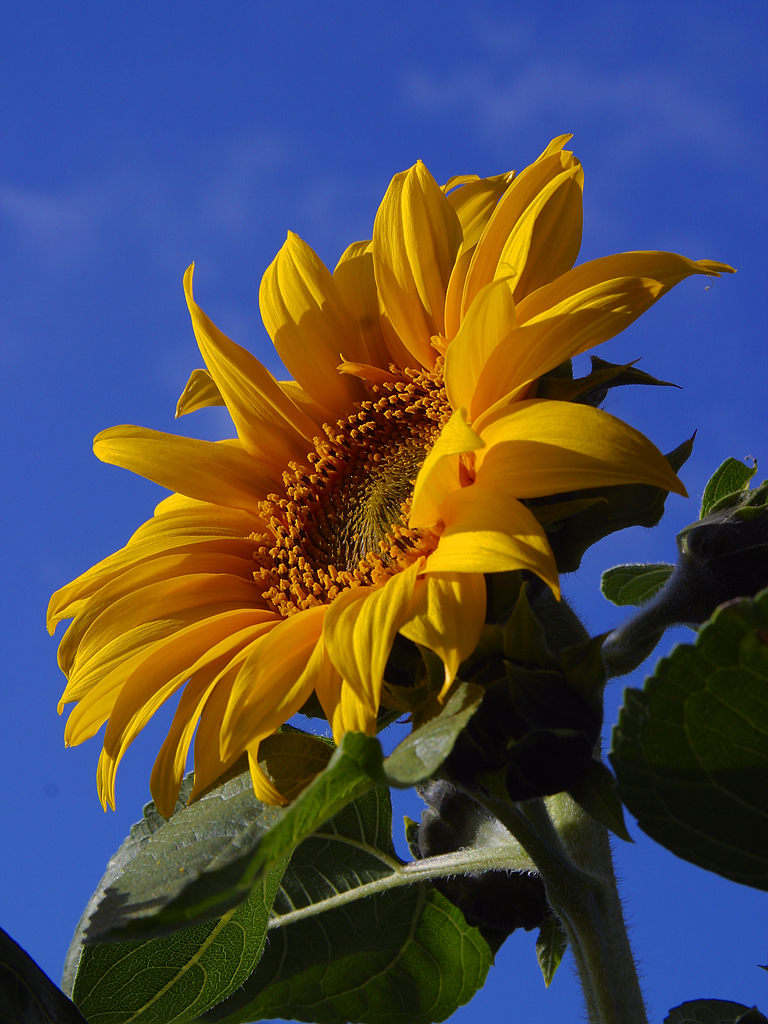 Common sunflowerHelianthus annuus
A tall annual plant grown for its large yellow flower heads and edible seeds
🇨🇦 Canada and 4 more · Wildflower
Common sunflowerHelianthus annuus
A tall annual plant grown for its large yellow flower heads and edible seeds
🇨🇦 Canada and 4 more · Wildflower
 PomegranatePunica granatum
A shrub with bright red flowers and a fruit full of edible seeds
🇮🇷 Iran and 9 more · Flowering shrub
PomegranatePunica granatum
A shrub with bright red flowers and a fruit full of edible seeds
🇮🇷 Iran and 9 more · Flowering shrub
 BirchBetula
Slender trees with papery bark found across the northern world
🇨🇳 China and 7 more · Wildflower
BirchBetula
Slender trees with papery bark found across the northern world
🇨🇳 China and 7 more · Wildflower