
Marvel of Peru
Mirabilis jalapa, family Nyctaginaceae
Evening-blooming garden flower with many colours on one plant
Marvel of Peru is a bushy flowering plant grown for its evening-opening, fragrant blooms. Native to the Americas, it is now found in gardens and wild areas across warm regions worldwide. Its flowers come in many shades, often with several colours on one plant, and are used for decoration, food colouring, and traditional remedies.
- Blooms open in late afternoon and fill the air with sweet scent at night
- One plant can have flowers of several colours at once
- Flowers are used to make edible dyes for food
- Seeds are poisonous if eaten
- Chosen as the children's state flower in Connecticut
What does Marvel of Peru look like?
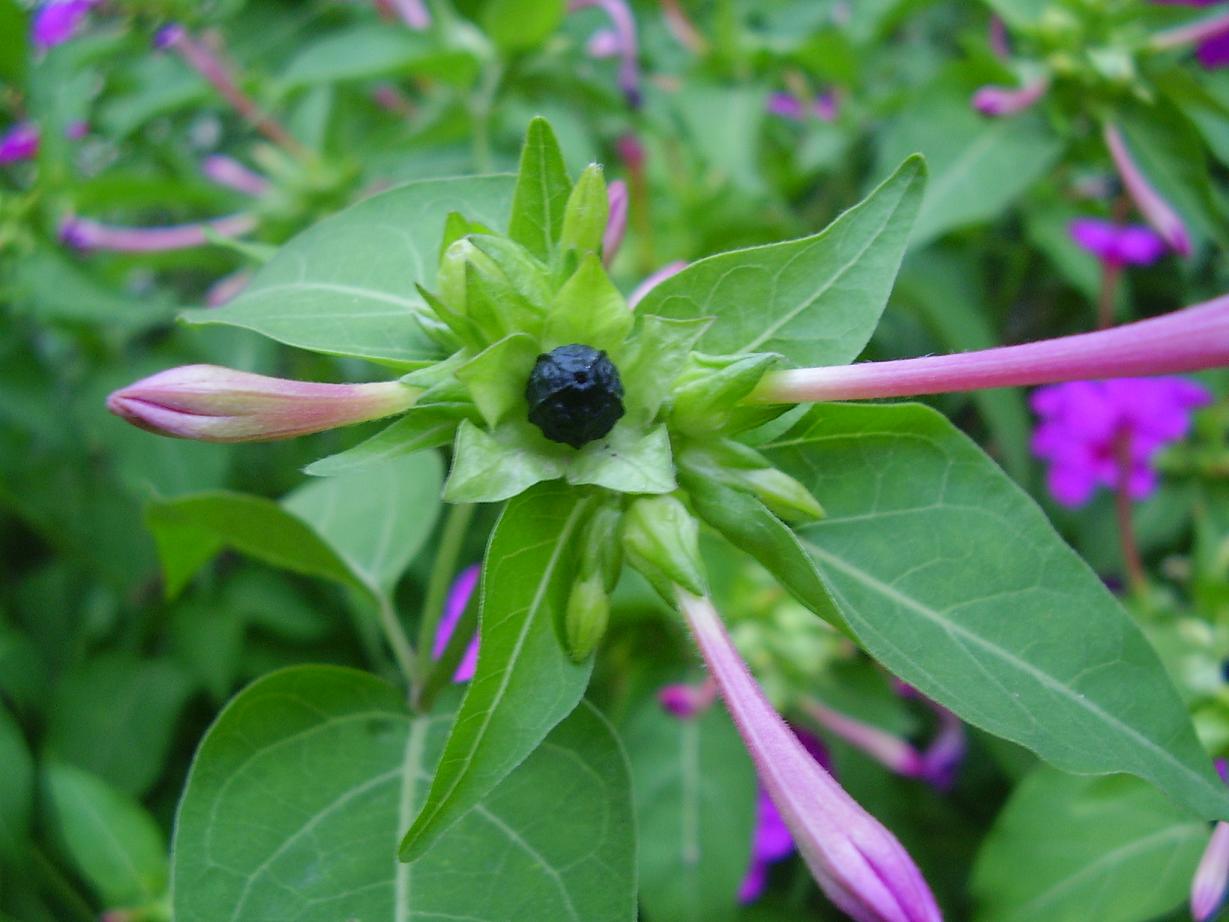
Marvel of Peru is a bushy, herbaceous plant that can reach about a meter tall, sometimes more. Its stems are thick and often spread along the ground. The flowers are funnel-shaped and open in the late afternoon, releasing a sweet scent through the night. Blooms come in yellow, pink, white, red, and magenta, and a single plant can show several colours at once. Some flowers even display stripes, spots, or sections of different colours. The black, wrinkled seeds are produced after flowering.
Where does Marvel of Peru come from?
This plant comes from dry, tropical parts of the Americas, especially Mexico, Guatemala, Chile, and Peru. It was grown by the Aztecs for both its looks and for traditional remedies. The name refers to the city of Xalapa in Mexico or possibly Jalapa in Guatemala. It reached Europe in the early 1500s and quickly became popular as a garden flower. Today, it grows wild and cultivated in many warm regions around the world.
When and how Marvel of Peru blooms
Marvel of Peru grows best in sunny spots with well-drained, humus-rich soil. It is usually grown from seed, which can be sown from late winter to spring. In warm climates, the plant can survive year to year from its tuberous roots, while in cooler places it is often grown as an annual. The flowers open in the late afternoon, especially in warm or overcast weather, and close again by morning.



How Marvel of Peru is used
People grow Marvel of Peru mainly for its colourful, fragrant flowers in gardens and parks. The blooms are sometimes used to make edible dyes for cakes and jellies. In some cultures, the leaves and roots are used in traditional remedies, though the seeds are considered poisonous. In Connecticut, it is recognized as the children's state flower under the name Michaela Petit's Four O'Clocks.
Kinds of Marvel of Peru
Individual Marvel of Peru plants can show a mix of flower colours and patterns, with some flowers changing colour as they age. There are no named cultivars mentioned, but the plant is known for its variety of forms, including plain and patterned blooms. The flower’s colour can shift from yellow to pink or white to violet as the plant matures.
What Marvel of Peru means
The Marvel of Peru is tied to many local names and meanings, often linked to its habit of opening in the evening. In several languages, its name refers to night, sunset, or the time of day it blooms. It has played a role in genetic studies, helping scientists understand inheritance beyond Mendel’s laws. The plant is also valued as a symbol in some regions and is used in natural dyeing and as a pH indicator.
Questions people ask about Marvel of Peru
Where does the Marvel of Peru come from?
It originated in dry, tropical parts of the Americas, especially Mexico, Guatemala, Chile, and Peru, and was later introduced to many warm regions worldwide.
Why is it called the Four o'Clock flower?
The name comes from its habit of opening its fragrant flowers in the late afternoon or early evening, usually between 4 and 8 o'clock.
What colours do the flowers come in?
Flowers can be yellow, pink, white, red, or magenta, and a single plant may display several colours and patterns at the same time.
Is any part of the plant poisonous?
The seeds of the Marvel of Peru are considered poisonous and should not be eaten.
What is the plant used for?
It is grown for its decorative, fragrant flowers, used for edible dyes, and has a history of use in traditional medicine in several cultures.
Good reading and sources
- Encyclopaedia BritannicaArticle
- Plants of the World OnlineRoyal Botanic Gardens, Kew, Plant database
- Where it has been recordedGBIF, Plant database
- Sightings and photos by naturalistsiNaturalist, Plant database
- Mirabilis jalapa on WikipediaEncyclopedia
- More photos on Wikimedia CommonsPhotos
- Wikidata recordOpen data
The facts on this page come from the Wikipedia article "Mirabilis jalapa", written by its contributors and used under the CC BY-SA 4.0 licence, and from its Wikidata record (CC0). Phool rewrote the text in its own words, with AI assistance, and compares every page with the article to make sure no passage is copied. It may be reused under the same CC BY-SA 4.0 licence with a link back.
It may contain mistakes. It is not medical or foraging advice: many flowers are poisonous, and traditional uses are reported, not recommended. If something is wrong, tell us. Last refreshed 2026-10-03.
More from Mexico
All the flowers of Mexico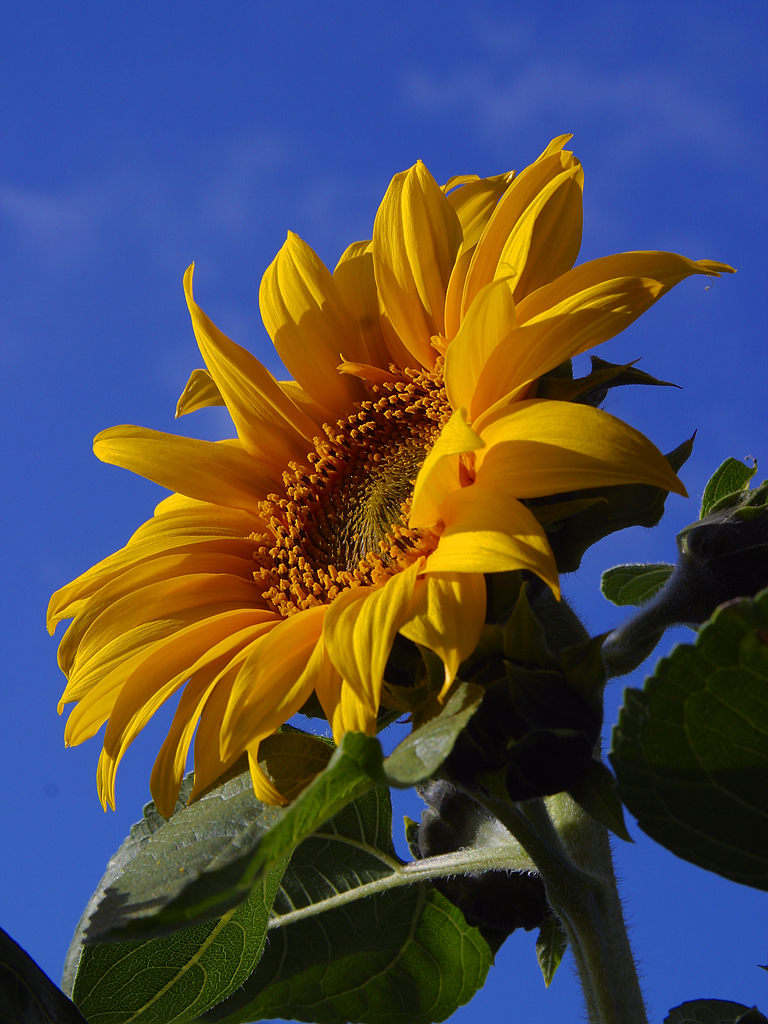 Common sunflowerHelianthus annuus
A tall annual plant grown for its large yellow flower heads and edible seeds
🇨🇦 Canada and 4 more · Wildflower
Common sunflowerHelianthus annuus
A tall annual plant grown for its large yellow flower heads and edible seeds
🇨🇦 Canada and 4 more · Wildflower
 CactusCactaceae
Succulent plants with spines, native to the Americas
🇲🇽 Mexico and 7 more · Wildflower
CactusCactaceae
Succulent plants with spines, native to the Americas
🇲🇽 Mexico and 7 more · Wildflower
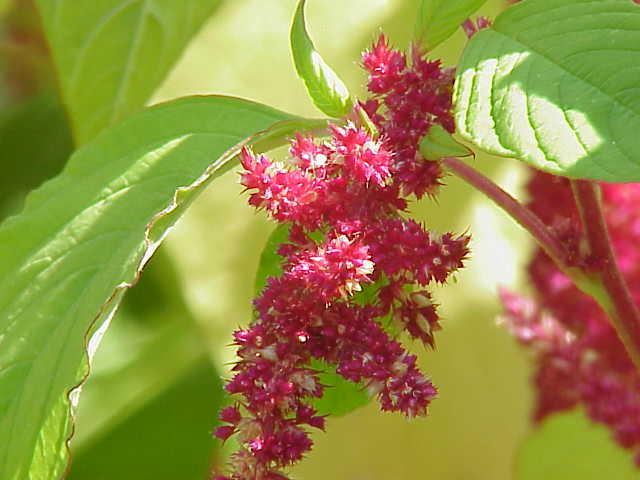 AmaranthAmaranthus
A tall, colourful plant grown for its flowers, leaves and edible seeds
🇲🇽 Mexico and 7 more · Wildflower
AmaranthAmaranthus
A tall, colourful plant grown for its flowers, leaves and edible seeds
🇲🇽 Mexico and 7 more · Wildflower
 HawthornCrataegus
A thorny shrub or tree with white or pink spring flowers and small edible fruits
🇮🇪 Ireland and 7 more · Wildflower
HawthornCrataegus
A thorny shrub or tree with white or pink spring flowers and small edible fruits
🇮🇪 Ireland and 7 more · Wildflower