
Balloon flower
Platycodon grandiflorus, family Campanulaceae
A perennial with balloon-shaped buds and bell-like blue or white flowers
Balloon flower is a perennial plant native to East Asia, found in China, Korea, Japan, and eastern Siberia. It grows up to 1 meter tall, with buds that swell like balloons before opening into blue, purple, or white bell-shaped flowers. The root is widely used in Korean cooking and traditional medicine.
- Buds swell like balloons before opening into bell-shaped flowers
- Roots are a staple in Korean cooking and folk medicine
- Flowers can be blue, purple, white, or pink
- Symbolic in Japanese and Korean culture
- Hardy to very cold winters and grown in gardens worldwide
What does Balloon flower look like?
Balloon flower is a perennial herb that reaches 40 to 100 centimeters in height. Its leaves are dark green, 5 to 12 centimeters long, with toothed edges and narrow tips. The flower buds are round and balloon-like, swelling before opening into bell-shaped blooms with five fused petals. Flowers appear in blue, purple, white, or pink, usually in late summer. The plant has thick roots and exudes white juice when the stem is cut.
Where does Balloon flower come from?
Platycodon grandiflorus is native to East Asia, growing wild in mountains and fields across China, Korea, Japan, and eastern Siberia. Its name comes from Greek words meaning 'flat bell.' The plant is the only species in its genus. Over time, it has become a common garden plant, especially valued for its unique buds and summer flowers. It is also known as kikyō in Japan and doraji in Korea.
When and how Balloon flower blooms
Balloon flower dies back in winter and reappears in late spring, flowering in July and August. It is hardy to very cold temperatures and can be grown in a wide range of climates. The plant is usually grown from seed or nursery stock. While the wild type has blue flowers, cultivated varieties can have white, pink, or purple blooms. In Korea, white-flowered forms are especially common.


How Balloon flower is used
In Korea, balloon flower root (doraji) is a staple vegetable, used in dishes like bibimbap and doraji-bap, and made into tea, syrup, and liquor. The root is also used in traditional medicine in both China and Korea, mainly for respiratory and inflammatory conditions. In Japan, the flower is a symbol of autumn and appears in family crests. The plant is also grown as an ornamental in gardens.
Kinds of Balloon flower
Besides the wild blue-flowered type, there are cultivated forms with white, pink, or purple flowers. The 'Apoyama group' and 'Mariesii' cultivars have received awards for garden merit. In Korea, white-flowered balloon flowers are more common. The plant is the only member of its genus.
What Balloon flower means
In Japan, balloon flower (kikyō) is one of the Seven Autumn Flowers and features in traditional crests. In Korea, the plant is celebrated in the folk song 'Doraji taryeong,' popular across both Koreas and among ethnic Koreans in China and Japan. The root is a common ingredient in Korean cuisine and medicine. In China, it is used in traditional remedies for coughs and sore throats.
Questions people ask about Balloon flower
Where does the balloon flower come from?
Balloon flower is native to East Asia, growing wild in China, Korea, Japan, and eastern Siberia. It is found in mountains and fields throughout these regions.
What does the balloon flower look like?
The plant grows up to 1 meter tall with dark green leaves and distinctive buds that swell like balloons. When open, the flowers are bell-shaped with five fused petals, appearing in blue, purple, white, or pink.
How is balloon flower used in Korea?
In Korea, the root (doraji) is widely eaten as a vegetable, used in dishes like bibimbap and doraji-bap, and made into tea, syrup, and liquor. It is also used in traditional medicine.
What does the balloon flower symbolize?
In Japan, the balloon flower (kikyō) is one of the Seven Autumn Flowers and appears in family crests. In Korea, it is celebrated in folk songs and is a common cultural symbol.
Are there different colors of balloon flower?
Yes, while the wild type has blue flowers, cultivated varieties include white, pink, and purple. In Korea, white-flowered forms are especially common.
Good reading and sources
- Encyclopaedia BritannicaArticle
- Platycodon grandiflorusRoyal Horticultural Society, Article
- USDA Plants DatabaseUS Department of Agriculture, Article
- Plants of the World OnlineRoyal Botanic Gardens, Kew, Plant database
- Where it has been recordedGBIF, Plant database
- Sightings and photos by naturalistsiNaturalist, Plant database
The facts on this page come from the Wikipedia article "Platycodon", written by its contributors and used under the CC BY-SA 4.0 licence, and from its Wikidata record (CC0). Phool rewrote the text in its own words, with AI assistance, and compares every page with the article to make sure no passage is copied. It may be reused under the same CC BY-SA 4.0 licence with a link back.
It may contain mistakes. It is not medical or foraging advice: many flowers are poisonous, and traditional uses are reported, not recommended. If something is wrong, tell us. Last refreshed 2026-10-03.
Others in the family Campanulaceae
The whole family BellflowersCampanula
Bell-shaped flowers from a wide-ranging and varied plant group
Campanula · Wildflower
BellflowersCampanula
Bell-shaped flowers from a wide-ranging and varied plant group
Campanula · Wildflower
 Diamond bluebellHanabusaya asiatica
A rare bell-shaped wildflower found only in Korean mountain forests
Hanabusaya asiatica · Wildflower
Diamond bluebellHanabusaya asiatica
A rare bell-shaped wildflower found only in Korean mountain forests
Hanabusaya asiatica · Wildflower
 Edraianthus
A group of small blue-flowered perennials from the Balkan mountains
🇧🇬 Bulgaria and 6 more · Wildflower
Edraianthus
A group of small blue-flowered perennials from the Balkan mountains
🇧🇬 Bulgaria and 6 more · Wildflower
 Favratia zoysii
A rare alpine bellflower with a star-shaped mouth, found in the Alps
🇸🇮 Slovenia and 2 more · Wildflower
Favratia zoysii
A rare alpine bellflower with a star-shaped mouth, found in the Alps
🇸🇮 Slovenia and 2 more · Wildflower
More from China
All the flowers of China PeachPrunus persica
A flowering fruit tree from China, grown for its pink blossoms and sweet fruit
🇨🇳 China and 7 more · Flowering tree
PeachPrunus persica
A flowering fruit tree from China, grown for its pink blossoms and sweet fruit
🇨🇳 China and 7 more · Flowering tree
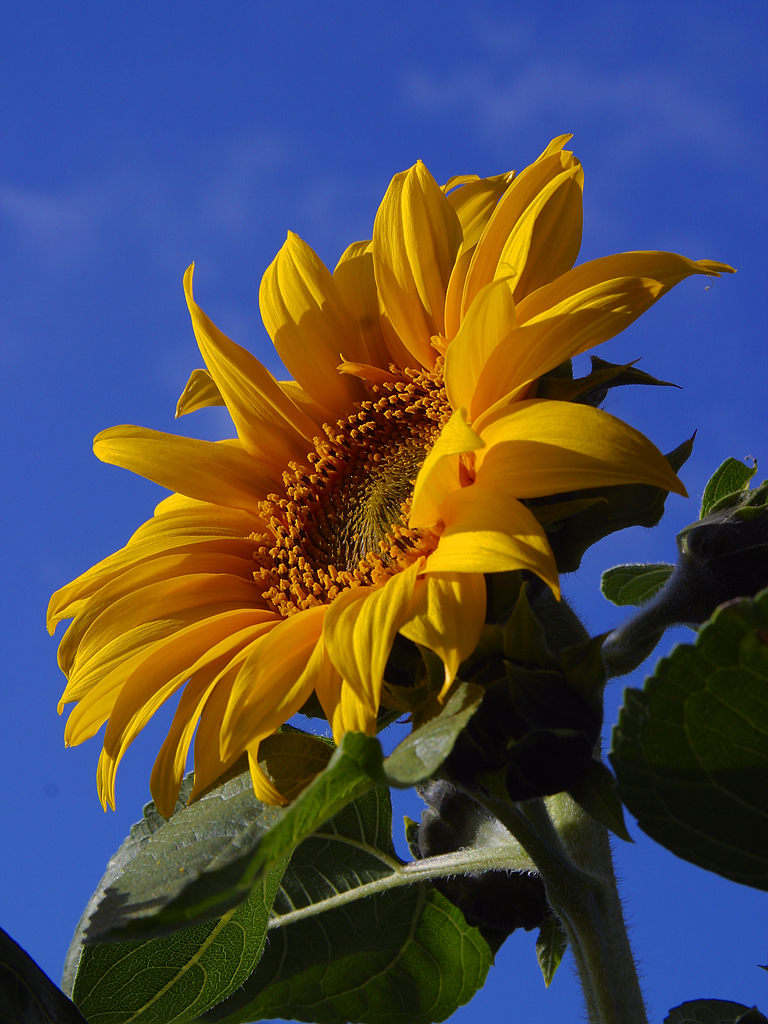 Common sunflowerHelianthus annuus
A tall annual plant grown for its large yellow flower heads and edible seeds
🇨🇦 Canada and 4 more · Wildflower
Common sunflowerHelianthus annuus
A tall annual plant grown for its large yellow flower heads and edible seeds
🇨🇦 Canada and 4 more · Wildflower
 PomegranatePunica granatum
A shrub with bright red flowers and a fruit full of edible seeds
🇮🇷 Iran and 9 more · Flowering shrub
PomegranatePunica granatum
A shrub with bright red flowers and a fruit full of edible seeds
🇮🇷 Iran and 9 more · Flowering shrub
 BirchBetula
Slender trees with papery bark found across the northern world
🇨🇳 China and 7 more · Wildflower
BirchBetula
Slender trees with papery bark found across the northern world
🇨🇳 China and 7 more · Wildflower