
Aburi Botanical Gardens
A historic botanical garden in Aburi, Eastern Region, Ghana
Aburi Botanical Gardens is a large public garden in the Eastern Region of Ghana, covering nearly 65 hectares. Founded in 1890, it features a range of tropical trees and plants and has played a key role in agriculture and plant conservation in Ghana.
- Covers nearly 65 hectares in the Eastern Region of Ghana
- Founded in 1890 on the site of a former sanatorium
- Helped introduce cocoa and rubber farming to Ghana
- Features tropical trees like silk cotton and mahogany
- A center for plant research and conservation
What is Aburi Botanical Gardens?
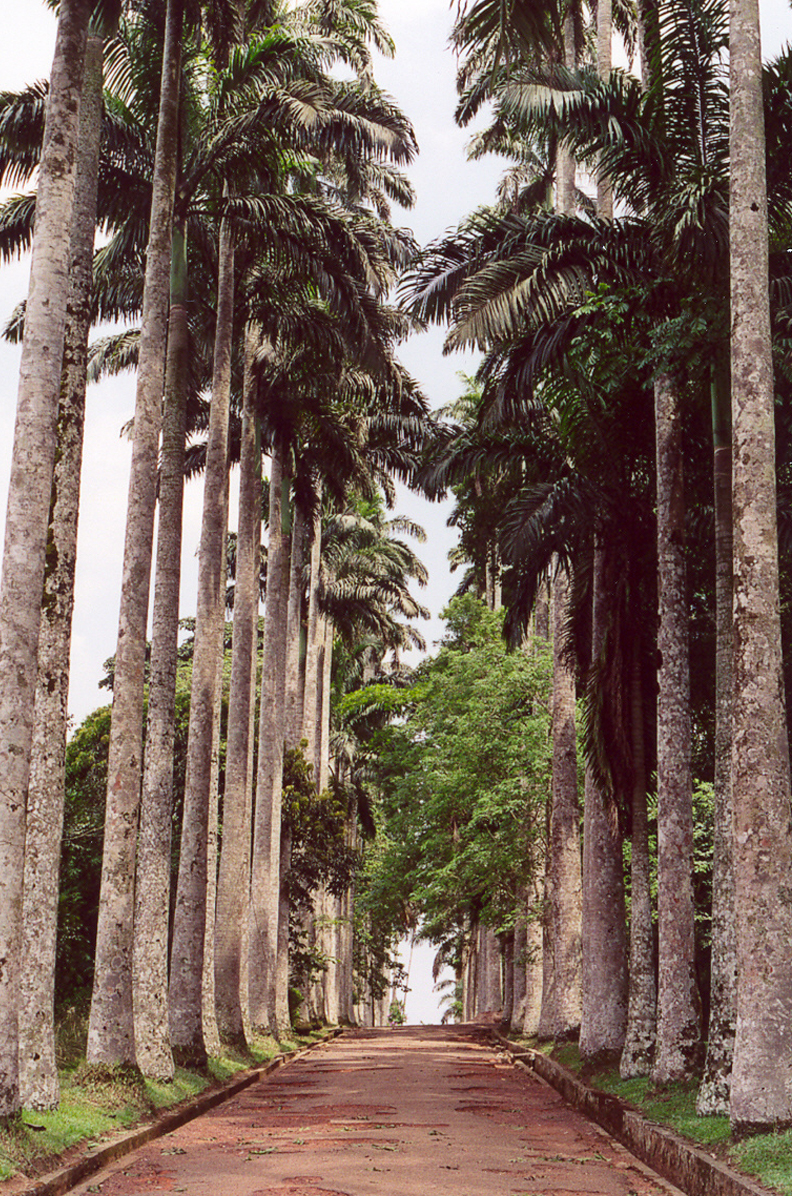
Aburi Botanical Gardens is a spacious garden set on a hillside in Aburi, Ghana. Visitors walk among a wide variety of tropical trees, including silk cotton, mahogany, cedar, and silver oak. The grounds cover almost 65 hectares, offering shaded paths and open lawns. The garden is a popular destination for both locals and tourists, known for its peaceful setting and botanical displays.
The history of Aburi Botanical Gardens
The site was first used as a sanatorium for colonial officials in the late 1800s. In 1890, the land was transformed into a botanical garden. The garden’s early years focused on introducing new plants and supporting agriculture in Ghana. It became a center for sharing knowledge about crops and farming methods, and helped spread cocoa and rubber cultivation in the country.
What there is to see
The garden is laid out with paths winding through collections of native and introduced trees. Over the years, staff have planted and cared for a range of species, some grown for research and conservation. The grounds are maintained for education, plant research, and public enjoyment, with areas for walking, learning, and relaxing.


When to go
Aburi Botanical Gardens has served many purposes: a place for plant research, a source of seedlings for farmers, and a center for teaching horticulture. Today, it is open to visitors who come to see the trees and plants, enjoy the scenery, and learn about Ghana’s plant life. The garden is also used for environmental education and training.
Parts and collections
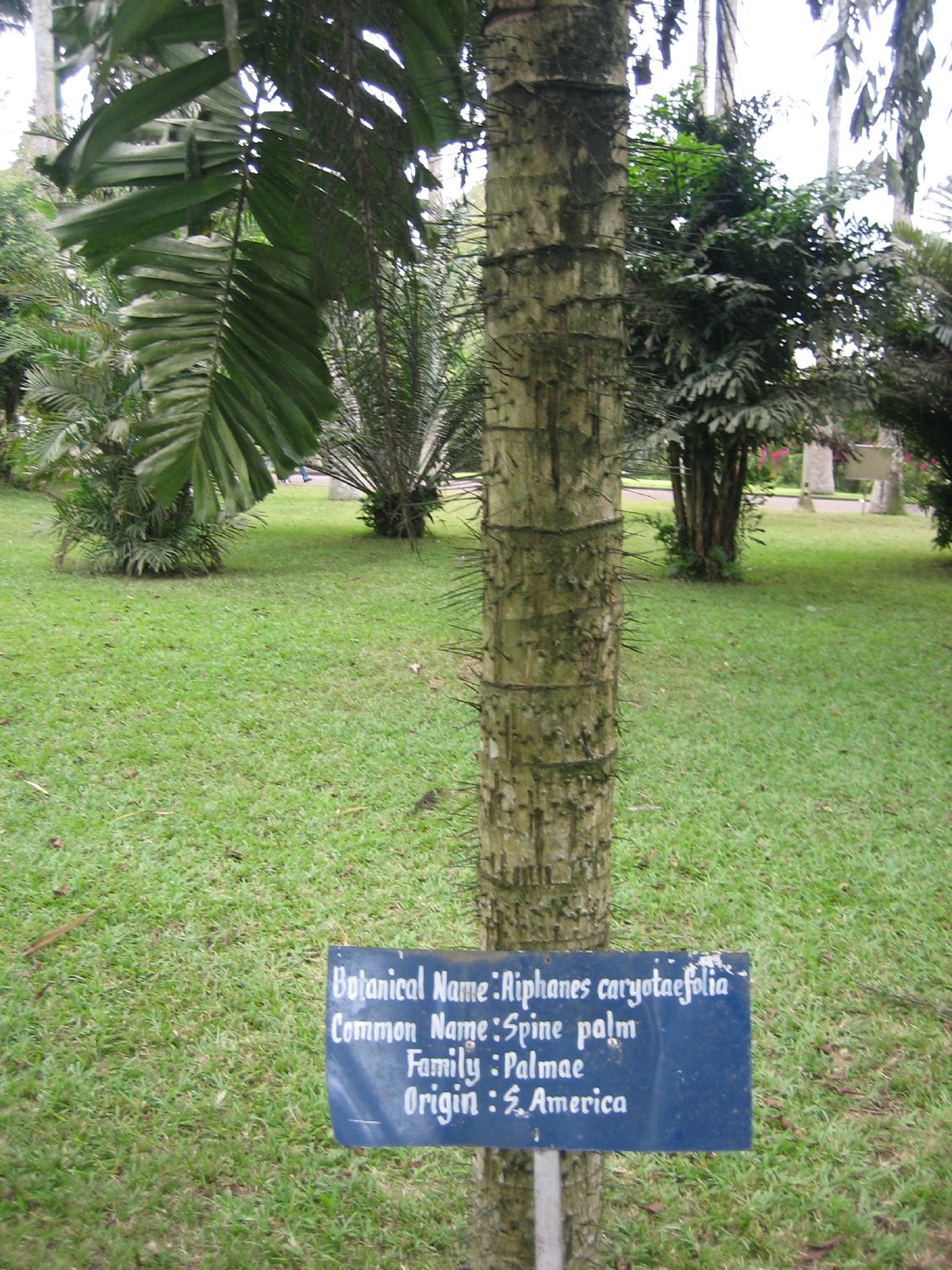
The garden’s collections include many types of tropical trees, both native and introduced. Notable species include silk cotton, mahogany, cedar, and silver oak. Over time, the plantings have changed as new species were added for research or conservation. The garden continues to grow and adapt its collections.
Why Aburi Botanical Gardens matters
Aburi Botanical Gardens is recognized as an important institution in Ghanaian horticulture. It has played a major role in the country’s agricultural history, especially in the spread of cocoa and rubber. Today, it is valued for its work in plant conservation, education, and as a destination for visitors interested in plants and nature.
Questions people ask about Aburi Botanical Gardens
Where is Aburi Botanical Gardens located?
Aburi Botanical Gardens is in the town of Aburi, in the Eastern Region of Ghana. It sits on a hillside and is a well-known destination for both locals and visitors.
What can I see at the gardens?
Visitors can explore collections of tropical trees such as silk cotton, mahogany, cedar, and silver oak. The gardens offer walking paths, open lawns, and a peaceful setting for learning about plants.
When was the garden established?
The gardens were established in March 1890, on land that had previously been used as a sanatorium for colonial officials.
What is the historical importance of the gardens?
Aburi Botanical Gardens played a key role in introducing cocoa and rubber to Ghana, providing seedlings and sharing farming knowledge with local growers.
What is the garden’s role today?
Today, the gardens focus on plant conservation, horticultural training, and environmental education, while also serving as a tourist site.
Good reading and sources
- Aburi Botanical Gardens on WikipediaEncyclopedia
- More photos on Wikimedia CommonsPhotos
- Wikidata recordOpen data
The facts on this page come from the Wikipedia article "Aburi Botanical Gardens", written by its contributors and used under the CC BY-SA 4.0 licence, and from its Wikidata record (CC0). Phool rewrote the text in its own words, with AI assistance, and compares every page with the article to make sure no passage is copied. It may be reused under the same CC BY-SA 4.0 licence with a link back.
It may contain mistakes. Opening times, prices and bloom dates change: check with the place before you travel. If something is wrong, tell us. Last refreshed 2026-10-03.
More of the same kind
 Place
Tropical Botanical Garden and Research Institute
A major botanical garden and research centre in Thiruvananthapuram, Kerala
Thiruvananthapuram, 🇮🇳 India · Botanical garden
Place
Tropical Botanical Garden and Research Institute
A major botanical garden and research centre in Thiruvananthapuram, Kerala
Thiruvananthapuram, 🇮🇳 India · Botanical garden
 Place
Baldha Gardenবলধা গার্ডেন
A historic botanical garden in Old Dhaka with hundreds of plant species
Dhaka, 🇧🇩 Bangladesh · Botanical garden
Place
Baldha Gardenবলধা গার্ডেন
A historic botanical garden in Old Dhaka with hundreds of plant species
Dhaka, 🇧🇩 Bangladesh · Botanical garden
 Place
Hakone Botanical Garden of Wetlands箱根湿生花園
A garden of wetland and alpine plants in Hakone, Japan
Hakone, 🇯🇵 Japan · Botanical garden
Place
Hakone Botanical Garden of Wetlands箱根湿生花園
A garden of wetland and alpine plants in Hakone, Japan
Hakone, 🇯🇵 Japan · Botanical garden
 Place
Sim's Park, Coonoor
A century-old botanical garden in the Nilgiri hills of Tamil Nadu
Coonoor, 🇮🇳 India · Botanical garden, May
Place
Sim's Park, Coonoor
A century-old botanical garden in the Nilgiri hills of Tamil Nadu
Coonoor, 🇮🇳 India · Botanical garden, May

