
Kitulo National Park
In its own language: Hifadhi ya Taifa ya Kitulo
Tanzania's highland park famed for its flowering grasslands
Kitulo National Park lies on a high plateau in southern Tanzania, between the Kipengere and Poroto mountains. At 2,600 metres elevation, it protects montane grasslands that bloom with hundreds of plant species during the wet season, earning nicknames like 'Garden of God' and 'Serengeti of Flowers'.
- First national park in tropical Africa created mainly for flora protection
- Home to over 350 plant species, including many endemic orchids
- Known locally as 'Bustani ya Mungu' (Garden of God)
- Plains zebra were reintroduced in 2018 after local extinction
- Harbours the critically endangered Kipunji primate
What is Kitulo National Park?
Kitulo National Park covers over 410 square kilometres of high-altitude grassland and forest in Tanzania’s Southern Highlands. Its plateau sits at 2,600 metres, flanked by mountain ranges. During the rainy months, the grasslands burst into colour with hundreds of flowering plants, including many orchids and geophytes found nowhere else.
The history of Kitulo National Park
The park was created in 2005 after conservationists raised concerns about orchid harvesting and habitat loss. It became Tanzania’s fourteenth national park and the first in tropical Africa dedicated mainly to protecting plant life. The area includes former forest reserves like Livingstone and Ndumbi, absorbed into the park at its founding.
What there is to see
Visitors find open grasslands dotted with seasonal blooms, patches of bamboo, and blocks of evergreen forest. The Livingstone Forest holds dense montane woodland on the southwest slope, while the Ndumbi area features cedar trees and a tall waterfall. A narrow agricultural gap separates Livingstone from Mount Rungwe’s forests.

When to go
The park is managed by Tanzania National Parks Authority for conservation and limited tourism. It draws botanists and nature lovers especially between November and April when flowers cover the plateau. Plans exist to expand it into adjacent forests like Mount Rungwe to better protect rare wildlife.
Why Kitulo National Park matters
Locals call the plateau 'Bustani ya Mungu', the Garden of God, for its floral abundance. Scientists nicknamed it the 'Serengeti of Flowers' due to its rich plant diversity. Three plant species are known only from this plateau, and it shelters endangered animals like the Kipunji monkey, discovered here in 2005.
Questions people ask about Kitulo National Park
Where is Kitulo National Park located?
It lies on the Kitulo Plateau in southern Tanzania, spanning the Njombe and Mbeya regions at an elevation of 2,600 metres.
Why was Kitulo National Park established?
It was created in 2005 primarily to protect unique montane grassland flora threatened by orchid trade, logging, and hunting.
When is the best time to visit Kitulo?
Between November and April during the wet season, when the grasslands are covered in blooming flowers.
What makes Kitulo ecologically special?
It hosts over 350 plant species, including three found nowhere else, and rare mammals like the Kipunji monkey.
What do locals call the park?
They refer to the plateau as 'Bustani ya Mungu', meaning 'Garden of God' in Swahili.
Good reading and sources
- Official websiteOfficial site
- New Primate Discovered In Mountain Forests Of TanzaniaScienceDaily, Article
- IUCN Red List of Threatened SpeciesIUCN Red List, Article
- Kitulo National Park on WikipediaEncyclopedia
- More photos on Wikimedia CommonsPhotos
- Wikidata recordOpen data
The facts on this page come from the Wikipedia article "Kitulo National Park", written by its contributors and used under the CC BY-SA 4.0 licence, and from its Wikidata record (CC0). Phool rewrote the text in its own words, with AI assistance, and compares every page with the article to make sure no passage is copied. It may be reused under the same CC BY-SA 4.0 licence with a link back.
It may contain mistakes. Opening times, prices and bloom dates change: check with the place before you travel. If something is wrong, tell us. Last refreshed 2026-10-03.
More of the same kind
 Place
Hallim Park한림공원
A large botanical park with lava caves and themed gardens on Jeju Island
Hallim, 🇰🇷 South Korea · Botanical garden
Place
Hallim Park한림공원
A large botanical park with lava caves and themed gardens on Jeju Island
Hallim, 🇰🇷 South Korea · Botanical garden
 Place
Phu Hin Rong Kla National Parkอุทยานแห่งชาติภูหินร่องกล้า
A cool, mountainous national park in northern Thailand with forests and waterfalls
Loei, 🇹🇭 Thailand · Bloom site
Place
Phu Hin Rong Kla National Parkอุทยานแห่งชาติภูหินร่องกล้า
A cool, mountainous national park in northern Thailand with forests and waterfalls
Loei, 🇹🇭 Thailand · Bloom site
 Place
West Lake西湖
The historic lakeside landscape at the heart of Hangzhou, China
Hangzhou, 🇨🇳 China · Flower garden
Place
West Lake西湖
The historic lakeside landscape at the heart of Hangzhou, China
Hangzhou, 🇨🇳 China · Flower garden
 Place
Deosai National Parkدیوسائی نیشنل پارک
A vast alpine plateau in northern Pakistan, famed for wildflowers and wildlife
Astore, 🇵🇰 Pakistan · Bloom site
Place
Deosai National Parkدیوسائی نیشنل پارک
A vast alpine plateau in northern Pakistan, famed for wildflowers and wildlife
Astore, 🇵🇰 Pakistan · Bloom site
More from Tanzania
All the flowers of Tanzania African violetSaintpaulia
A small, velvety-leaved house plant with violet, blue or white flowers from East Africa
🇹🇿 Tanzania and 1 more · Wildflower
African violetSaintpaulia
A small, velvety-leaved house plant with violet, blue or white flowers from East Africa
🇹🇿 Tanzania and 1 more · Wildflower
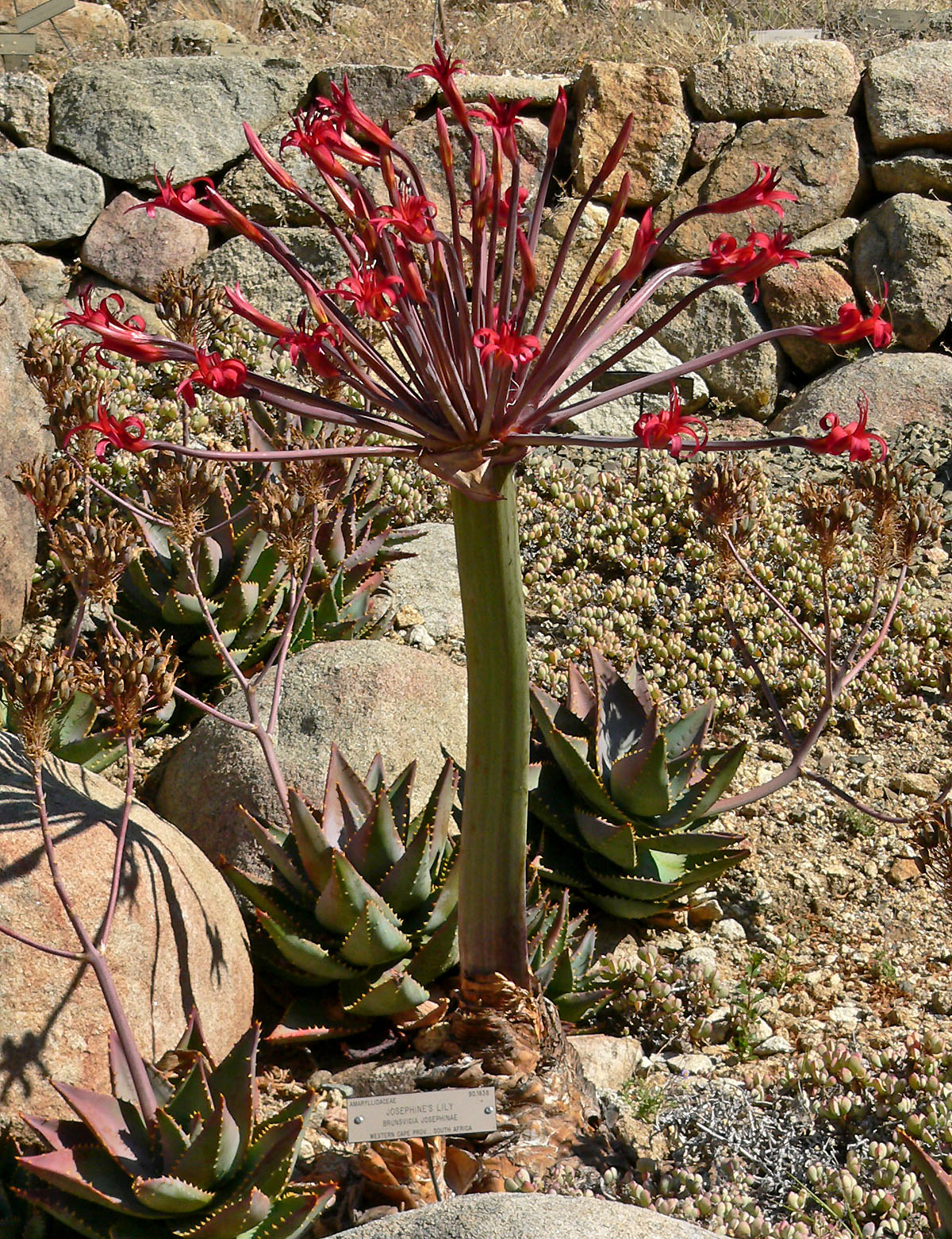 Brunsvigia
Bulbous plants with striking pink or red flowers from southern Africa
🇹🇿 Tanzania and 1 more · Wildflower
Brunsvigia
Bulbous plants with striking pink or red flowers from southern Africa
🇹🇿 Tanzania and 1 more · Wildflower
 Cape primroseStreptocarpus
A houseplant with tubular blooms from African mountains and forests
🇿🇦 South Africa and 7 more · Wildflower
Cape primroseStreptocarpus
A houseplant with tubular blooms from African mountains and forests
🇿🇦 South Africa and 7 more · Wildflower
 Tritonia
Strongly scented yellow to brown flowers from southern Africa
🇿🇦 South Africa and 7 more · Wildflower
Tritonia
Strongly scented yellow to brown flowers from southern Africa
🇿🇦 South Africa and 7 more · Wildflower