
Lankester Botanical Garden
In its own language: Jardín Botánico Lankester
Costa Rica’s leading orchid and epiphyte garden and research center
Lankester Botanical Garden is a public garden and research center near Cartago, Costa Rica, managed by the University of Costa Rica. It covers 11 hectares and is known for its large collection of orchids and other epiphytes, as well as a Japanese garden and conservation work.
- Home to over 3,000 plant species, mainly orchids and epiphytes
- Features Costa Rica’s only Japanese garden, opened in 2009
- Major research center for orchids in Central America and the Caribbean
- Managed by the University of Costa Rica since 1973
What is Lankester Botanical Garden?
Lankester Botanical Garden is a public botanical garden covering 11 hectares outside Cartago, Costa Rica. Visitors find a wide range of tropical plants, with a focus on epiphytes—plants that grow on other plants—such as orchids and bromeliads. The garden includes greenhouses, research areas, and a Japanese garden with a pond, teahouse, stone lanterns, arch bridge, and bamboo forest. Paths wind through collections of native and exotic species, offering a peaceful setting for plant lovers and researchers.
The history of Lankester Botanical Garden
The garden began as part of a coffee farm bought by Charles H. Lankester in 1924. Lankester, originally from England, collected orchids and sent them to Kew Gardens for identification. He set aside a section called El Silvestre for orchids and tropical plants. After his death, his daughter sold the property to the University of Costa Rica in 1973, with the condition it remain a botanical garden. The garden grew into a key research and conservation center, with support from orchid societies and horticultural trusts.
What there is to see
The garden is organized with areas for different plant groups, especially epiphytes like orchids and bromeliads. There are greenhouses for delicate species and open areas for hardier plants. The Japanese garden, donated by the Japanese government, features traditional elements such as a pond, teahouse, and bamboo grove. The garden is managed by the University of Costa Rica, which maintains the collections and supports research and education.


When to go
Lankester Botanical Garden is open to the public and serves as a center for scientific research, education, and conservation. It is a major site for orchid study in Central America and the Caribbean. The garden also hosts environmental education programs and provides a peaceful place for visitors to enjoy tropical plants. The Japanese garden adds a cultural dimension, attracting those interested in landscape design.
Parts and collections
The garden holds over 3,000 plant species, with a strong emphasis on orchids and bromeliads. Its collections include both native Costa Rican species and plants from other tropical regions. The Japanese garden is unique in Costa Rica, featuring elements not found elsewhere in the country. The garden’s focus on epiphytes sets it apart from other botanical gardens in the region.
Why Lankester Botanical Garden matters
Lankester Botanical Garden is recognized as a National Center for the Conservation of Flora and a National Epiphyte Sanctuary by Costa Rica’s Environmental Ministry. It is a leading site for orchid research and conservation in Central America and the Caribbean. The Japanese garden, donated by Japan, highlights international cooperation and cultural exchange. The garden’s mission centers on conservation, enjoyment, and sustainable use of tropical plants.
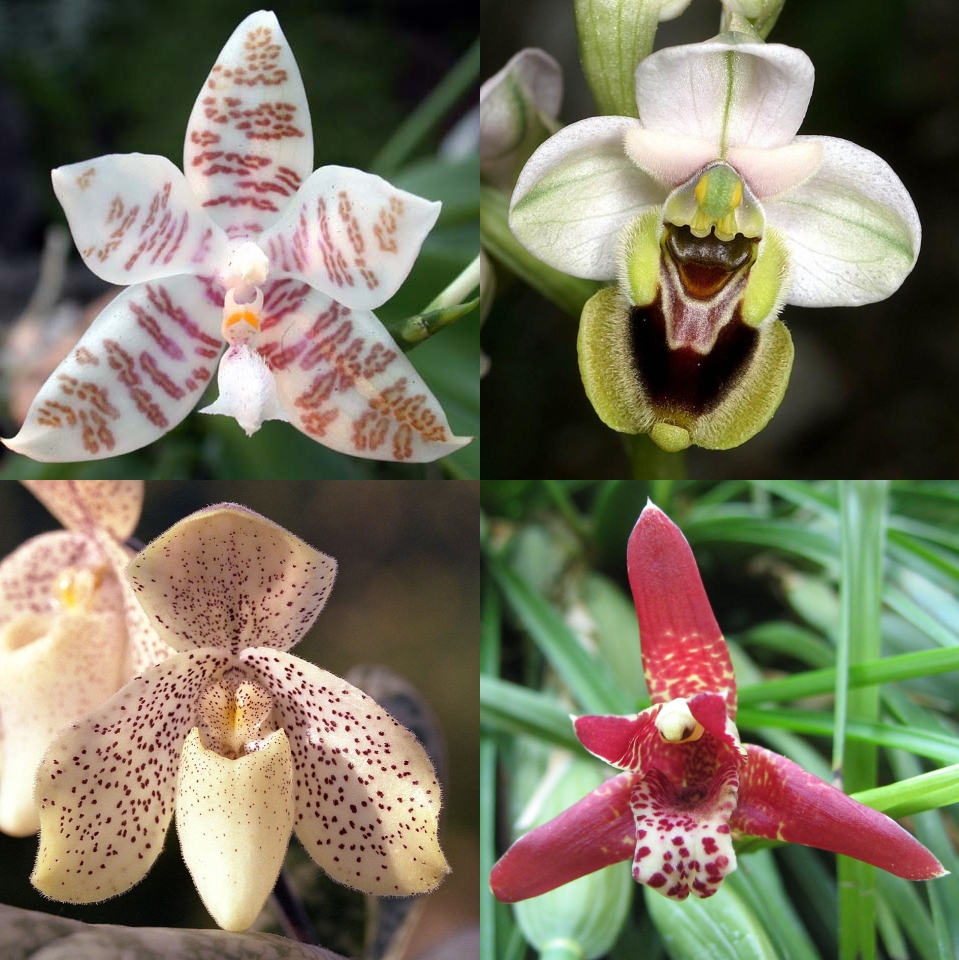
The flowers of Lankester Botanical Garden
Plan a visit
Questions people ask about Lankester Botanical Garden
Where is Lankester Botanical Garden located?
Lankester Botanical Garden is just outside Cartago, in the Dulce Nombre district of Costa Rica. It is easily accessible from the city of Cartago and is managed by the University of Costa Rica.
What is special about the garden’s plant collection?
The garden is known for its large collection of epiphytes, especially orchids and bromeliads. It has over 3,000 plant species, including both native Costa Rican and exotic tropical plants.
What can visitors see at the garden?
Visitors can explore greenhouses, outdoor collections of tropical plants, and Costa Rica’s only Japanese garden, which features a pond, teahouse, stone lanterns, and bamboo forest.
What is the history of Lankester Botanical Garden?
The garden began as part of a coffee farm owned by Charles H. Lankester, who collected orchids. It became a botanical garden in 1973 when his daughter sold it to the University of Costa Rica, ensuring its preservation.
What is the garden’s role in conservation?
Lankester Botanical Garden is a National Center for the Conservation of Flora and a National Epiphyte Sanctuary. It is a leading research and conservation site for orchids and other epiphytes in Central America.
Good reading and sources
- Lankester Botanical Garden on WikipediaEncyclopedia
- More photos on Wikimedia CommonsPhotos
- Wikidata recordOpen data
The facts on this page come from the Wikipedia article "Lankester Botanical Garden", written by its contributors and used under the CC BY-SA 4.0 licence, and from its Wikidata record (CC0). Phool rewrote the text in its own words, with AI assistance, and compares every page with the article to make sure no passage is copied. It may be reused under the same CC BY-SA 4.0 licence with a link back.
It may contain mistakes. Opening times, prices and bloom dates change: check with the place before you travel. If something is wrong, tell us. Last refreshed 2026-10-03.
More of the same kind
 Place
Tropical Botanical Garden and Research Institute
A major botanical garden and research centre in Thiruvananthapuram, Kerala
Thiruvananthapuram, 🇮🇳 India · Botanical garden
Place
Tropical Botanical Garden and Research Institute
A major botanical garden and research centre in Thiruvananthapuram, Kerala
Thiruvananthapuram, 🇮🇳 India · Botanical garden
 Place
Baldha Gardenবলধা গার্ডেন
A historic botanical garden in Old Dhaka with hundreds of plant species
Dhaka, 🇧🇩 Bangladesh · Botanical garden
Place
Baldha Gardenবলধা গার্ডেন
A historic botanical garden in Old Dhaka with hundreds of plant species
Dhaka, 🇧🇩 Bangladesh · Botanical garden
 Place
Hakone Botanical Garden of Wetlands箱根湿生花園
A garden of wetland and alpine plants in Hakone, Japan
Hakone, 🇯🇵 Japan · Botanical garden
Place
Hakone Botanical Garden of Wetlands箱根湿生花園
A garden of wetland and alpine plants in Hakone, Japan
Hakone, 🇯🇵 Japan · Botanical garden
 Place
Sim's Park, Coonoor
A century-old botanical garden in the Nilgiri hills of Tamil Nadu
Coonoor, 🇮🇳 India · Botanical garden, May
Place
Sim's Park, Coonoor
A century-old botanical garden in the Nilgiri hills of Tamil Nadu
Coonoor, 🇮🇳 India · Botanical garden, May
More from Costa Rica
All the flowers of Costa Rica Place
Las Cruces Biological Station
A research station and botanical garden in southern Costa Rica
🇨🇷 Costa Rica · Botanical garden
Place
Las Cruces Biological Station
A research station and botanical garden in southern Costa Rica
🇨🇷 Costa Rica · Botanical garden
 DogwoodCornus
Woody trees and shrubs with showy bracts and colorful berries
🇨🇳 China and 7 more · Wildflower
Heliopsis
Bright yellow sunflower-like flowers of the Americas
🇺🇸 United States and 7 more · Wildflower
DogwoodCornus
Woody trees and shrubs with showy bracts and colorful berries
🇨🇳 China and 7 more · Wildflower
Heliopsis
Bright yellow sunflower-like flowers of the Americas
🇺🇸 United States and 7 more · Wildflower
 Tree dahliaDahlia imperialis
A towering dahlia with lavender-pink flowers from the mountains of Central America
🇲🇽 Mexico and 7 more · Wildflower
Tree dahliaDahlia imperialis
A towering dahlia with lavender-pink flowers from the mountains of Central America
🇲🇽 Mexico and 7 more · Wildflower