
Papeete
In its own language: Papeʻete
Capital city of French Polynesia on the island of Tahiti
Papeete is the capital and main port of French Polynesia, located on Tahiti in the Pacific Ocean. It is the center of government, commerce, and tourism for the region, with a tropical climate and a mix of French and Polynesian influences visible in its language, culture, and daily life.
- Papeete is the capital of French Polynesia on Tahiti island.
- It is a major port and tourism hub in the Pacific.
- Bougainville Park and the Cathedral of Notre Dame are key landmarks.
- The city has a tropical monsoon climate with a short dry season.
- French and Tahitian are the main languages spoken.
What is Papeete?
Papeete is a city on the northwest coast of Tahiti, known for its waterfront, busy port, and central role in French Polynesian life. The city features a mix of modern government buildings, historic sites like the Cathedral of Notre Dame, public parks such as Bougainville Park, and a lively harbor. Streets are often narrow and bustling, with a blend of French and Polynesian architecture and daily activity.
The history of Papeete
The area now called Papeete was once part of Te Porionuʻu, a chiefly Tahitian territory. Its sheltered lagoon became important with the arrival of European ships in the 19th century. The royal residence moved here in the 1820s, and by the mid-1800s, Papeete was established as the capital under French administration. The city grew as a port and government center, especially after French nuclear testing began in the region.
What there is to see
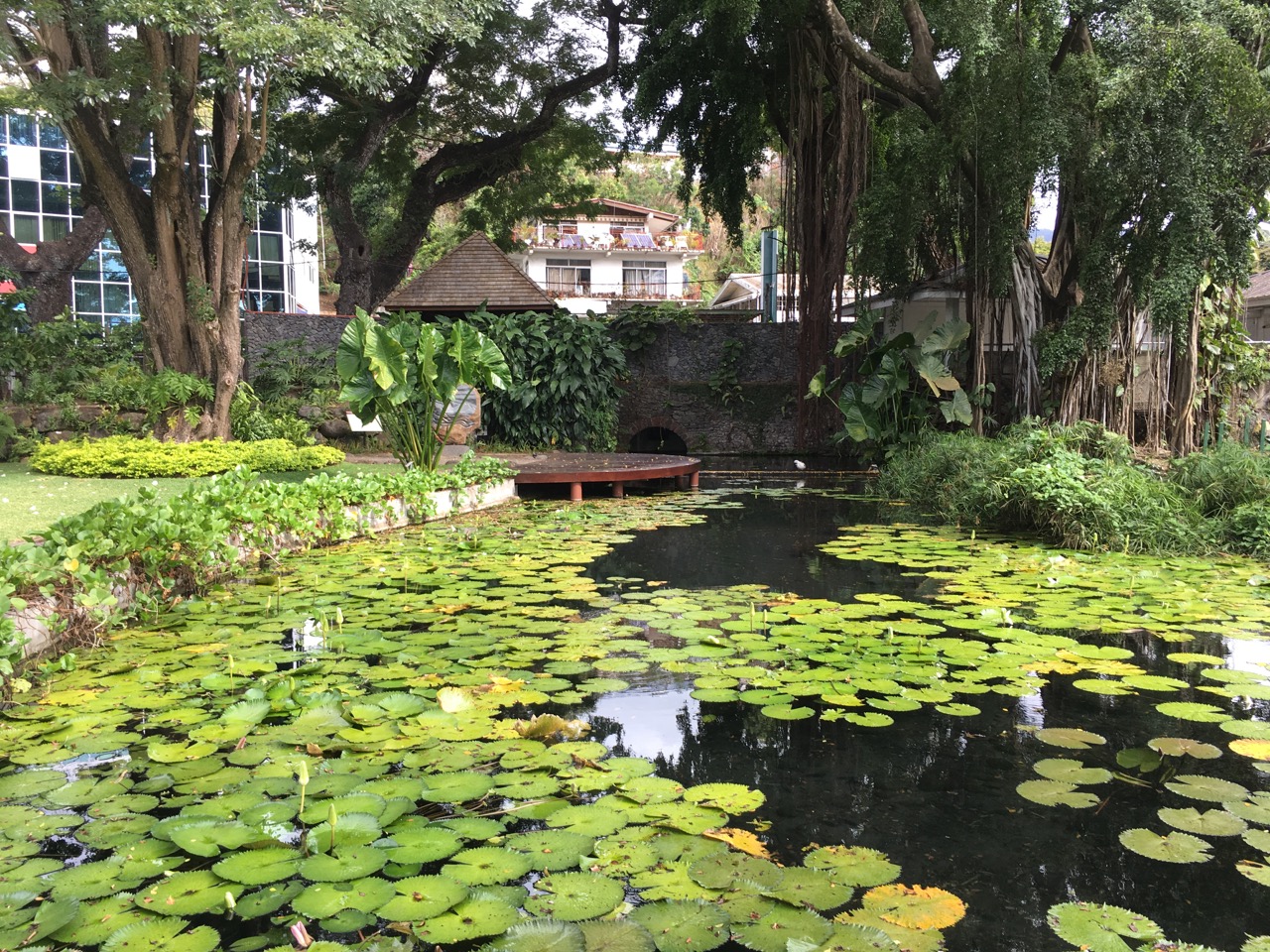
Papeete developed around its port and lagoon, expanding as trade and government functions increased. The city includes several quartiers, or wards, and is surrounded by other communes that make up the urban area. Landmarks include government buildings, parks, and the main cathedral. The city is accessible by air via Faʻaʻā International Airport and by sea through its harbor.


When to go
Papeete is the main arrival and departure point for visitors to French Polynesia, with cruise ships, yachts, and international flights connecting it to the world. The city serves as the administrative, commercial, and cultural heart of the region, hosting government offices, markets, and events throughout the year. Parks and public spaces are used for gatherings and daily recreation.
Parts and collections
The urban area of Papeete includes several neighboring communes such as Māhina, ʻĀrue, Pīraʻe, Faʼaʼā, and Punaʻauia, each with its own character. Bougainville Park and the Cathedral of Notre Dame are notable landmarks. The city’s layout reflects both its colonial history and Polynesian roots.
Why Papeete matters
Papeete’s name means 'water from a basket,' reflecting a local naming tradition. French and Tahitian are widely spoken, with French dominant in public life. The city is home to a diverse population, including people from other islands and countries. Its history includes periods of conflict and rapid growth, and it remains the political and cultural center of French Polynesia.
Plan a visit
Questions people ask about Papeete
Where is Papeete located?
Papeete is on the northwest coast of Tahiti, the largest island in French Polynesia, in the Pacific Ocean. It serves as the capital and main port of the territory.
What is the climate like in Papeete?
Papeete has a tropical monsoon climate with high temperatures and humidity year-round. There is a short dry season in August and September, but rainfall occurs throughout the year.
What languages are spoken in Papeete?
French is the main language spoken in Papeete, with most people also able to speak, read, and write it. Tahitian is also spoken, along with some other Polynesian languages and Chinese dialects.
What are some notable sights in Papeete?
Notable sights include Bougainville Park, the Cathedral of Notre Dame, the waterfront esplanade, and government buildings such as the Territorial Assembly and the Presidential Palace.
How do visitors reach Papeete?
Visitors arrive by air at Faʻaʻā International Airport or by sea at Papeete Harbor, which serves cruise ships and private yachts. The city is a common port of call in the region.
Good reading and sources
The facts on this page come from the Wikipedia article "Papeete", written by its contributors and used under the CC BY-SA 4.0 licence, and from its Wikidata record (CC0). Phool rewrote the text in its own words, with AI assistance, and compares every page with the article to make sure no passage is copied. It may be reused under the same CC BY-SA 4.0 licence with a link back.
It may contain mistakes. Opening times, prices and bloom dates change: check with the place before you travel. If something is wrong, tell us. Last refreshed 2026-10-03.
More of the same kind
 Place
AlhambraLa Alhambra
Medieval palace and fortress complex overlooking Granada, Spain
Granada, 🇪🇸 Spain · Flower garden
Place
AlhambraLa Alhambra
Medieval palace and fortress complex overlooking Granada, Spain
Granada, 🇪🇸 Spain · Flower garden
 Place
Chashme Shahi
A Mughal garden built around a spring in Srinagar, Kashmir
Srinagar, 🇮🇳 India · Flower garden, Mar to Nov
Place
Chashme Shahi
A Mughal garden built around a spring in Srinagar, Kashmir
Srinagar, 🇮🇳 India · Flower garden, Mar to Nov
 Place
Yadavindra Gardens
A 17th-century Mughal garden with seven terraces in Pinjore, Haryana
Panchkula, 🇮🇳 India · Flower garden, Apr to Dec
Place
Yadavindra Gardens
A 17th-century Mughal garden with seven terraces in Pinjore, Haryana
Panchkula, 🇮🇳 India · Flower garden, Apr to Dec
 Place
Shalimar Bagh
A Mughal-era garden of terraces, fountains and chinar trees by Dal Lake, Srinagar
Srinagar, 🇮🇳 India · Flower garden
Place
Shalimar Bagh
A Mughal-era garden of terraces, fountains and chinar trees by Dal Lake, Srinagar
Srinagar, 🇮🇳 India · Flower garden
More from France
All the flowers of France Place
Parc floral de Paris
A botanical garden and flower park in the Bois de Vincennes, Paris
Paris, 🇫🇷 France · Botanical garden
Place
Parc floral de Paris
A botanical garden and flower park in the Bois de Vincennes, Paris
Paris, 🇫🇷 France · Botanical garden
 Place
Parc Floral de la Source
A large public garden in Orléans built around the source of the Loiret river
Orléans, 🇫🇷 France · Botanical garden
Place
Parc Floral de la Source
A large public garden in Orléans built around the source of the Loiret river
Orléans, 🇫🇷 France · Botanical garden
 Place
SaultSaut
A rural village in Provence known for its summer lavender fields
Sault, 🇫🇷 France · Bloom site, Jun to Sep
Place
SaultSaut
A rural village in Provence known for its summer lavender fields
Sault, 🇫🇷 France · Bloom site, Jun to Sep
 Place
Tuileries GardenJardin des Tuileries
Historic public gardens between the Louvre and Place de la Concorde in Paris
1st arrondissement of Paris, 🇫🇷 France · Flower garden
Place
Tuileries GardenJardin des Tuileries
Historic public gardens between the Louvre and Place de la Concorde in Paris
1st arrondissement of Paris, 🇫🇷 France · Flower garden