
Purwodadi Botanical Garden
A large botanical garden and plant research centre in East Java, Indonesia
Purwodadi Botanical Garden is an 85-hectare botanical garden in Purwodadi, East Java, Indonesia, home to over 10,000 plant types. Visitors find collections of orchids, bamboos, palms, ferns, legumes, and medicinal plants, with paths for walking, cycling, or touring by small train.
- Holds over 10,000 types of plants across 85 hectares
- Features 319 wild orchid species, including East Java endemics
- Hosts 30 bamboo species from Java and other Asian countries
- Established in 1941 as a branch of Bogor Botanic Gardens
- Offers walking, cycling, and a small train for visitors
What is Purwodadi Botanical Garden?
Purwodadi Botanical Garden covers 85 hectares and holds more than 10,000 types of plants. The grounds feature collections of orchids, bamboos, palms, ferns, legumes, and medicinal plants. Visitors can explore shady fern patches, bamboo groves, palm avenues, and greenhouses for orchids. The garden is designed for walking, cycling, or touring by a small train, and includes a café serving Javanese food. The setting is peaceful, with views of nearby mountains and easy access to local attractions.
The history of Purwodadi Botanical Garden
The garden was founded in 1941 as a branch of the Bogor Botanic Gardens, initiated by Dr. Gerhard Lourens Baas Becking Marinus and Dr. Dirk Fok van Slooten. It began as a centre for plantation crop research, later developing into a full botanical garden from 1954. Since 1980, plant collections have been organised by the Engler system. Purwodadi is one of three main botanical gardens in Indonesia, managed by the Indonesian Institute of Sciences, and is known for its research on plant conservation and dry tropical plants.
What there is to see
The garden is divided into themed collections. Orchids are grown in greenhouses with conditions suited to their native habitats. Bamboo, palms, and ferns are grouped in outdoor patches, often under shade or among larger trees. Legume and medicinal plant collections are arranged by their botanical families or uses. Visitors can explore on foot, by rented bicycle, or by car, with a small train available for tours. The garden is open year-round.

When to go
Purwodadi Botanical Garden serves as a centre for plant research, conservation, and public education. It is a popular destination for tourists and locals seeking a quiet retreat or a nature walk. The garden is also used for studying and preserving native and rare plant species, including orchids and bamboos. Its grounds are visited throughout the year, and it is often included in trips to nearby mountains or tea plantations.
Parts and collections
The garden features notable collections such as wild orchids (319 species, including East Java endemics), 30 species of bamboo from Java and other Asian countries, 117 species of palms, and 21 species of ferns. Some plants are used for crafts, food, or medicine, and several species are rare or endangered. The legume collection includes ornamental, timber, and medicinal species.
Why Purwodadi Botanical Garden matters
Purwodadi is recognised as a major plant conservation site in Indonesia. It plays a key role in research and preservation of tropical dry-climate plants. The garden is also a place of leisure for residents of Surabaya and visitors to East Java, often combined with trips to Mount Bromo or local tea plantations. Its collections support education and awareness of plant diversity.
The flowers of Purwodadi Botanical Garden
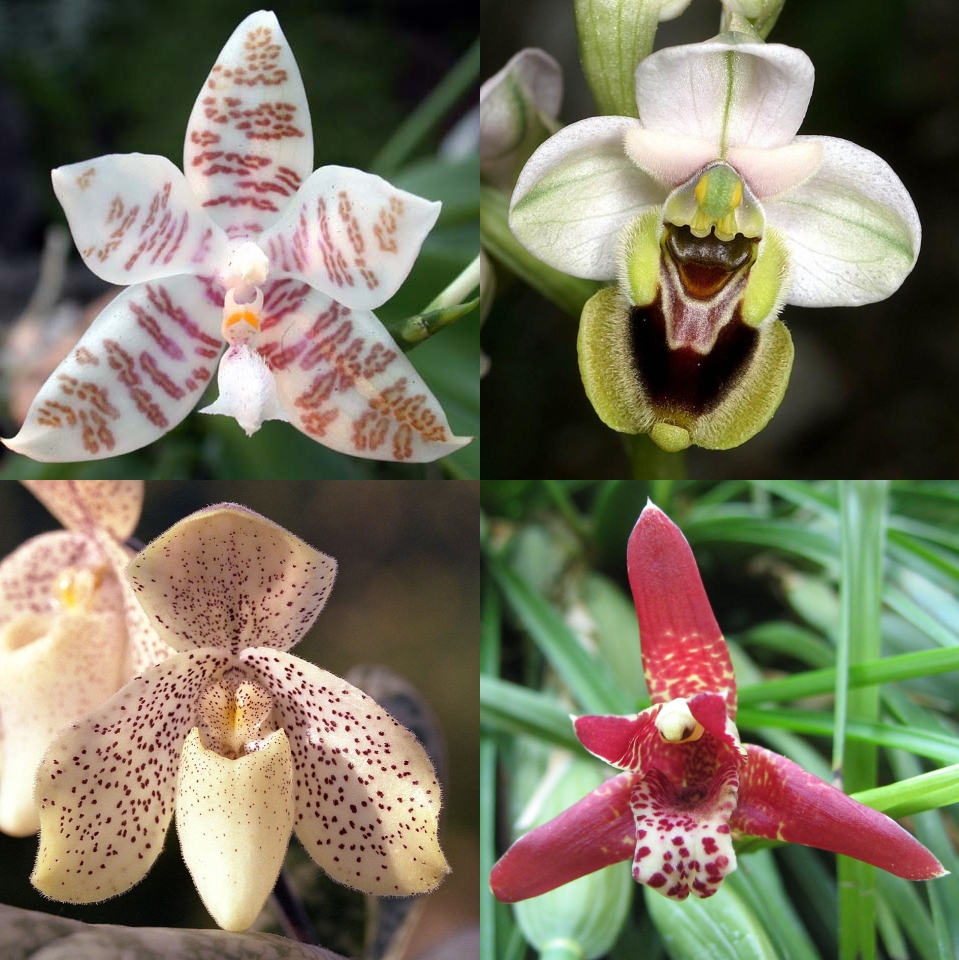
Questions people ask about Purwodadi Botanical Garden
Where is Purwodadi Botanical Garden located?
Purwodadi Botanical Garden is in Purwodadi, Pasuruan, East Java, Indonesia. It is easily reached from Surabaya and is often visited on the way to Malang or Mount Bromo.
What can visitors see at the garden?
Visitors can explore collections of orchids, bamboos, palms, ferns, legumes, and medicinal plants. The garden also features greenhouses, shady tree areas, and a café with Javanese cuisine.
What is special about the orchid collection?
The orchid collection includes about 2,344 specimens, with 319 species and 69 genera. Several species are endemic to East Java, and some are endangered or rare.
Is the garden open all year?
Yes, Purwodadi Botanical Garden can be visited throughout the year. The grounds are accessible in all seasons, and visitors can walk, cycle, or use a small train.
What is the history of the garden?
The garden was established in 1941 as a branch of Bogor Botanic Gardens. It began as a research site for plantation crops and later developed into a major centre for plant conservation and botanical study.
Good reading and sources
The facts on this page come from the Wikipedia article "Purwodadi Botanical Garden", written by its contributors and used under the CC BY-SA 4.0 licence, and from its Wikidata record (CC0). Phool rewrote the text in its own words, with AI assistance, and compares every page with the article to make sure no passage is copied. It may be reused under the same CC BY-SA 4.0 licence with a link back.
It may contain mistakes. Opening times, prices and bloom dates change: check with the place before you travel. If something is wrong, tell us. Last refreshed 2026-10-03.
More of the same kind
 Place
Tropical Botanical Garden and Research Institute
A major botanical garden and research centre in Thiruvananthapuram, Kerala
Thiruvananthapuram, 🇮🇳 India · Botanical garden
Place
Tropical Botanical Garden and Research Institute
A major botanical garden and research centre in Thiruvananthapuram, Kerala
Thiruvananthapuram, 🇮🇳 India · Botanical garden
 Place
Baldha Gardenবলধা গার্ডেন
A historic botanical garden in Old Dhaka with hundreds of plant species
Dhaka, 🇧🇩 Bangladesh · Botanical garden
Place
Baldha Gardenবলধা গার্ডেন
A historic botanical garden in Old Dhaka with hundreds of plant species
Dhaka, 🇧🇩 Bangladesh · Botanical garden
 Place
Hakone Botanical Garden of Wetlands箱根湿生花園
A garden of wetland and alpine plants in Hakone, Japan
Hakone, 🇯🇵 Japan · Botanical garden
Place
Hakone Botanical Garden of Wetlands箱根湿生花園
A garden of wetland and alpine plants in Hakone, Japan
Hakone, 🇯🇵 Japan · Botanical garden
 Place
Sim's Park, Coonoor
A century-old botanical garden in the Nilgiri hills of Tamil Nadu
Coonoor, 🇮🇳 India · Botanical garden, May
Place
Sim's Park, Coonoor
A century-old botanical garden in the Nilgiri hills of Tamil Nadu
Coonoor, 🇮🇳 India · Botanical garden, May
More from Indonesia
All the flowers of Indonesia Place
Cibodas Botanical GardenKebun Raya Cibodas
A highland botanical garden on the slopes of Mount Gede in West Java, Indonesia
West Java, 🇮🇩 Indonesia · Botanical garden
Place
Cibodas Botanical GardenKebun Raya Cibodas
A highland botanical garden on the slopes of Mount Gede in West Java, Indonesia
West Java, 🇮🇩 Indonesia · Botanical garden
 Place
Bali Botanic GardenKebun Raya Bali
Indonesia’s largest botanic garden in the cool mountains of central Bali
Bedugul, 🇮🇩 Indonesia · Botanical garden
Place
Bali Botanic GardenKebun Raya Bali
Indonesia’s largest botanic garden in the cool mountains of central Bali
Bedugul, 🇮🇩 Indonesia · Botanical garden
 Place
Bogor Botanical GardensKebun Raya Bogor
A historic 87-hectare tropical plant garden in the heart of Bogor, Indonesia
Bogor, 🇮🇩 Indonesia · Botanical garden
Place
Bogor Botanical GardensKebun Raya Bogor
A historic 87-hectare tropical plant garden in the heart of Bogor, Indonesia
Bogor, 🇮🇩 Indonesia · Botanical garden
 JasmineJasminum
A group of fragrant shrubs and vines with white or yellow star-shaped flowers
🇵🇰 Pakistan and 7 more · Wildflower
JasmineJasminum
A group of fragrant shrubs and vines with white or yellow star-shaped flowers
🇵🇰 Pakistan and 7 more · Wildflower