
Botanical illustration
Detailed drawings of plants for science, books, and art
Botanical illustration is the art of drawing or painting plants with scientific detail and accuracy. Used in books, research, and as art, these images often show the plant’s form, colour, and key features, sometimes including roots, seeds, and life stages. Artists work closely with botanists and use various media, such as watercolour, ink, or pencil.
- Shows plant details for science, books, and art
- Often made with watercolour, ink, or pencil
- Used for plant identification and research
- Some include roots, seeds, and life stages
- Key to sharing plant knowledge before photography
What is Botanical illustration?
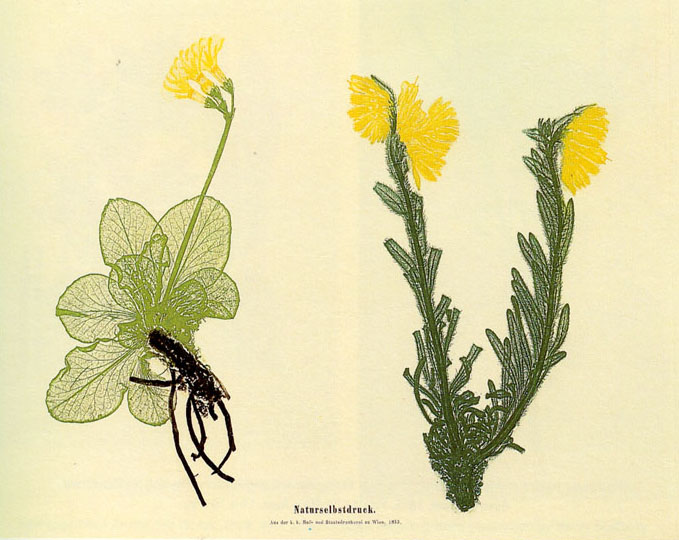
A botanical illustration is a carefully made image of a plant, showing its shape, colour, and details. These artworks can be done in watercolour, ink, pencil, or oils. They may show the whole plant or focus on parts like flowers, leaves, roots, seeds, or buds. Some include the plant’s life cycle or habitat, and often show both sides of leaves or close-ups of small features. The goal is to help people identify and understand the plant, so accuracy is important.
Where does Botanical illustration come from?
Botanical illustration has roots in early herbals and medical texts, where pictures helped people identify useful plants. The oldest surviving illustrated botanical work is the Vienna Dioscurides from 512. Medieval manuscripts like the Tacuinum Sanitatis and works by monks and physicians included plant images for medicine. The art grew with the rise of printing, botanical gardens, and scientific study in the 15th and 16th centuries. Explorers and botanists brought new plants to Europe, and illustrations helped share this knowledge widely.
How Botanical illustration is made
To create a botanical illustration, the artist studies real plant specimens, sometimes with a botanist’s help. They use watercolour, ink, pencil, or oils to record the plant’s features. The image may be life-sized or scaled, and often includes details like roots, seeds, or flowers. Some illustrations show the plant’s habitat or life stages. Artists need to understand plant structure and may use microscopes for tiny details.


When and where Botanical illustration is used
Botanical illustrations appear in scientific books, magazines, and reference works to help identify plants. They are also collected and sold as artworks. Historically, they were crucial for scientists who could not always access real specimens, especially for rare or fragile plants. Today, they remain important for plant identification and education, and are valued as a blend of art and science.
Forms of Botanical illustration
Botanical illustrations vary in style and purpose. Some are highly detailed for scientific use, while others are more decorative. Early works were often woodcuts or miniatures, while later artists used watercolour and more accurate observation. Some illustrations focus on a single plant, while others show several species or include the plant’s environment. There are also illustrated manuscripts and printed herbals from many cultures.
What Botanical illustration means
Botanical illustration played a key role in the history of botany and medicine. It helped spread plant knowledge across cultures and languages, especially after the invention of printing. Some famous illustrated works include the Vienna Dioscurides, the Tacuinum Sanitatis, and herbals by Fuchs and Mattioli. Today, botanical illustration is both a scientific tool and an art form, with a long tradition in Europe, the Middle East, and beyond.
Questions people ask about Botanical illustration
What is a botanical illustration?
A botanical illustration is a detailed drawing or painting of a plant, made to show its shape, colour, and important features. These images are used in science, books, and art to help people identify and understand plants.
Where did botanical illustration come from?
Botanical illustration began in early herbals and medical texts, where plant images helped with identification for medicinal use. The tradition grew in Europe and the Middle East, especially with the rise of printing and scientific study from the 15th century onward.
How are botanical illustrations made?
Artists study real plant specimens and use watercolour, ink, pencil, or oils to create accurate images. They may show the whole plant or focus on details like flowers, leaves, or roots, sometimes including scales or life stages.
What are botanical illustrations used for?
They are used in scientific books and magazines to help identify plants, and are also collected as artworks. Historically, they were vital for sharing plant knowledge, especially when real specimens were hard to preserve or transport.
Are botanical illustrations still important today?
Yes, they are still used in science and education for plant identification, and are valued as a form of art. They remain important for showing plant features clearly, especially when photographs cannot capture all details.
Good reading and sources
- American TurkVictoria and Albert Museum, Article
- Australian Plant Collectors and IllustratorsAustralian National Botanic Gardens, Article
- Botanical illustration on WikipediaEncyclopedia
- More photos on Wikimedia CommonsPhotos
- Wikidata recordOpen data
The facts on this page come from the Wikipedia article "Botanical illustration", written by its contributors and used under the CC BY-SA 4.0 licence, and from its Wikidata record (CC0). Phool rewrote the text in its own words, with AI assistance, and compares every page with the article to make sure no passage is copied. It may be reused under the same CC BY-SA 4.0 licence with a link back.
It may contain mistakes. If something is wrong, tell us. Last refreshed 2026-10-03.
More of the same kind
 Decoration
Nageirebana抛入花
A free-form ikebana style using tall vases and no flower holders
Arrangement
Decoration
Nageirebana抛入花
A free-form ikebana style using tall vases and no flower holders
Arrangement
 Decoration
Tokonoma床の間
A Japanese alcove for displaying scrolls and flower arrangements
🇯🇵 Japan · Arrangement
Decoration
Tokonoma床の間
A Japanese alcove for displaying scrolls and flower arrangements
🇯🇵 Japan · Arrangement
 Decoration
Rangoliरंगोली
Indian floor art made with coloured powders, rice, or petals for festivals and daily welcome
🇮🇳 India and 1 more · Carpet or floor pattern
Decoration
Rangoliरंगोली
Indian floor art made with coloured powders, rice, or petals for festivals and daily welcome
🇮🇳 India and 1 more · Carpet or floor pattern
 Decoration
Sōgetsu草月流
A modern school of Japanese ikebana open to all materials and styles
🇯🇵 Japan · Arrangement
Decoration
Sōgetsu草月流
A modern school of Japanese ikebana open to all materials and styles
🇯🇵 Japan · Arrangement
More from Australia
All the flowers of Australia Decoration
Bonsai盆栽
The Japanese art of shaping miniature trees in shallow pots
🇯🇵 Japan and 7 more · Art or design
Decoration
Bonsai盆栽
The Japanese art of shaping miniature trees in shallow pots
🇯🇵 Japan and 7 more · Art or design
 Decoration
Shellcraft
Decorative art made by arranging and using seashells
🇦🇺 Australia and 1 more · Flower craft
Decoration
Shellcraft
Decorative art made by arranging and using seashells
🇦🇺 Australia and 1 more · Flower craft
 Decoration
Quilling
Decorative art made by rolling and shaping strips of paper
🇺🇸 United States and 1 more · Flower craft
Decoration
Quilling
Decorative art made by rolling and shaping strips of paper
🇺🇸 United States and 1 more · Flower craft
 Decoration
Jack in the Green
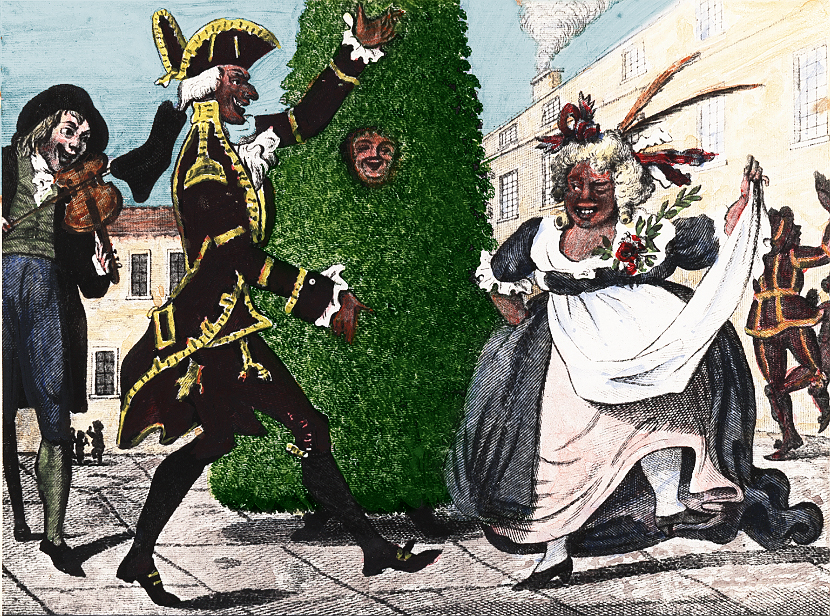
A May Day folk figure made of greenery, worn in English spring parades
🇦🇺 Australia · Custom, May
Decoration
Jack in the Green
A May Day folk figure made of greenery, worn in English spring parades
🇦🇺 Australia · Custom, May