Jack in the Green
A May Day folk figure made of greenery, worn in English spring parades
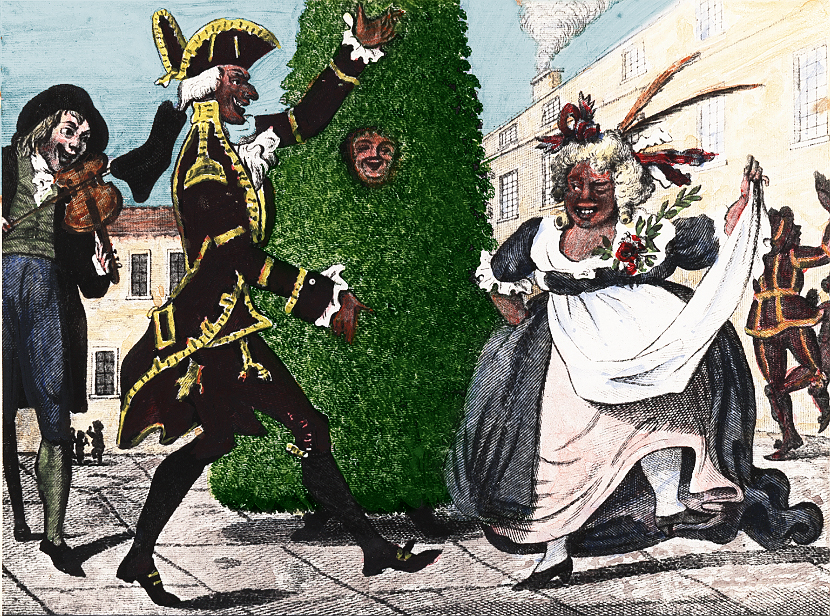
Jack in the Green is an English May Day custom where a person wears a tall frame covered in leaves, branches, and flowers. This leafy figure leads processions, often with music and dancers, and has roots in 18th-century celebrations by milkmaids and chimney sweeps. Revived in many towns, it marks the coming of summer.
- A person wears a leafy, flower-covered frame in May Day parades
- Tradition began with English milkmaids and chimney sweeps in the 1700s
- Revived in towns like Rochester, Hastings, and Whitstable
- Jack in the Green symbolizes the start of summer
- Attendants often dress in green and play music
What is Jack in the Green?
Jack in the Green is a tall, cone- or pyramid-shaped frame made from wood or wicker, completely covered in fresh green leaves, branches, and flowers. The frame is worn by a person, who is hidden inside except for their feet, and has a slot to see out. The leafy figure is carried through the streets as part of a lively procession, often with musicians, dancers, and attendants dressed in green or as legendary characters.
Where does Jack in the Green come from?
The custom began in 18th-century England, growing out of older May Day traditions where milkmaids decorated their pails with flowers and ribbons. Over time, these decorations became elaborate pyramids worn on the head, and eventually evolved into the full leafy Jack in the Green. Chimney sweeps, bunters, and other trades adopted the custom, especially in London and the southeast. The tradition faded in the early 20th century but was revived in several English towns from the 1970s onward.
How Jack in the Green is made
To create a Jack in the Green, a wooden or wicker frame is built in a tall, conical or pyramidal shape. This frame is then densely covered with woven green branches, leaves, and fresh flowers. The person wearing it enters from below, with their feet visible and a slot to see out. The finished Jack is paraded through the streets, often accompanied by attendants and musicians.


When and where Jack in the Green is used
Jack in the Green is central to May Day celebrations in parts of England, especially in towns with revived traditions. The leafy figure leads processions, accompanied by music, dancing, and attendants in costume. In some places, local schoolchildren and Morris dancers take part. The event celebrates the arrival of summer and is a highlight of spring festivities.
Forms of Jack in the Green
Modern revivals of Jack in the Green differ by town. In Hastings, attendants called Bogies wear green rags and face paint. In Whitstable, Jack is joined by Robin Hood and Maid Marian. Some Jacks are nearly 3 meters tall. The tradition has spread to other towns and even to May Fairs in North America, with each place adding its own touches.
What Jack in the Green means
Jack in the Green has been interpreted as a symbol of nature and the coming of summer. Once thought by some to be a survival of ancient fertility rituals, most scholars now see it as an 18th-century invention. The custom is a focus of local pride and community celebration, drawing interest from folklorists and festival-goers alike.
Days and festivals
Questions people ask about Jack in the Green
What is Jack in the Green?
Jack in the Green is a traditional English May Day custom where a person wears a tall frame covered in leaves, branches, and flowers, leading a procession with music and dancing to celebrate the arrival of summer.
Where did Jack in the Green originate?
The custom developed in 18th-century England, evolving from earlier May Day traditions where milkmaids decorated their pails with flowers. It became especially associated with chimney sweeps in London and the southeast.
What does Jack in the Green symbolize?
Jack in the Green is seen as a symbol of nature and the coming of summer. While once thought to be a survival of ancient fertility rituals, most historians now link it to 18th-century May Day celebrations.
How is Jack in the Green made?
A wooden or wicker frame is built in a tall, cone or pyramid shape, then densely covered with green branches, leaves, and flowers. The person wearing it is hidden inside, except for their feet.
Where can I see Jack in the Green today?
Revived processions take place in several English towns, including Rochester, Hastings, Whitstable, Ilfracombe, and others, mainly on May Day in early May.
Good reading and sources
- Jack in the Green on WikipediaEncyclopedia
- More photos on Wikimedia CommonsPhotos
- Wikidata recordOpen data
The facts on this page come from the Wikipedia article "Jack in the Green", written by its contributors and used under the CC BY-SA 4.0 licence, and from its Wikidata record (CC0). Phool rewrote the text in its own words, with AI assistance, and compares every page with the article to make sure no passage is copied. It may be reused under the same CC BY-SA 4.0 licence with a link back.
It may contain mistakes. If something is wrong, tell us. Last refreshed 2026-10-03.
More of the same kind
 Decoration
Tokonoma床の間
A Japanese alcove for displaying scrolls and flower arrangements
🇯🇵 Japan · Arrangement
Decoration
Tokonoma床の間
A Japanese alcove for displaying scrolls and flower arrangements
🇯🇵 Japan · Arrangement
 Decoration
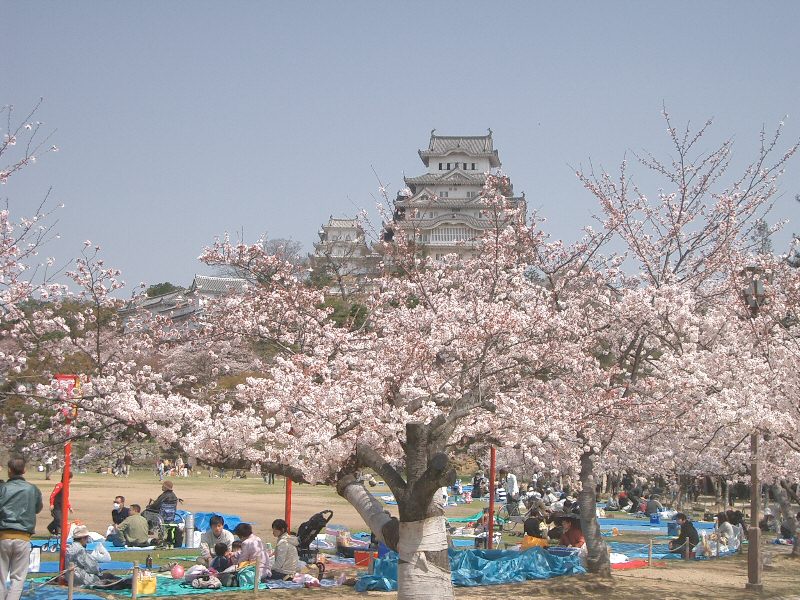
Hanami花見
The Japanese tradition of gathering to enjoy cherry blossoms in spring
🇯🇵 Japan and 7 more · Custom, Jan to May
Decoration
Hanami花見
The Japanese tradition of gathering to enjoy cherry blossoms in spring
🇯🇵 Japan and 7 more · Custom, Jan to May
 Decoration
Bouquet
A creative arrangement of flowers, given or displayed for many occasions
🇨🇳 China and 1 more · Arrangement
Decoration
Bouquet
A creative arrangement of flowers, given or displayed for many occasions
🇨🇳 China and 1 more · Arrangement
 Decoration
Sōgetsu草月流
A modern school of Japanese ikebana open to all materials and styles
🇯🇵 Japan · Arrangement
Decoration
Sōgetsu草月流
A modern school of Japanese ikebana open to all materials and styles
🇯🇵 Japan · Arrangement
More from Australia
All the flowers of Australia Decoration
Floral clock
A working outdoor clock with a face made of living flowers
🇬🇧 United Kingdom and 2 more · Carpet or floor pattern
Decoration
Floral clock
A working outdoor clock with a face made of living flowers
🇬🇧 United Kingdom and 2 more · Carpet or floor pattern
 Decoration
Remembrance poppy
An artificial red poppy worn to honour those lost in war
🇬🇧 United Kingdom and 7 more · Worn flowers, Apr to Nov
Decoration
Remembrance poppy
An artificial red poppy worn to honour those lost in war
🇬🇧 United Kingdom and 7 more · Worn flowers, Apr to Nov
 Decoration
Bonsai盆栽
The Japanese art of shaping miniature trees in shallow pots
🇯🇵 Japan and 7 more · Art or design
Decoration
Bonsai盆栽
The Japanese art of shaping miniature trees in shallow pots
🇯🇵 Japan and 7 more · Art or design
 Decoration
Jāņi
Latvia’s midsummer festival with wreaths, bonfires, and solstice songs
🇱🇻 Latvia and 3 more · Custom, June
Decoration
Jāņi
Latvia’s midsummer festival with wreaths, bonfires, and solstice songs
🇱🇻 Latvia and 3 more · Custom, June